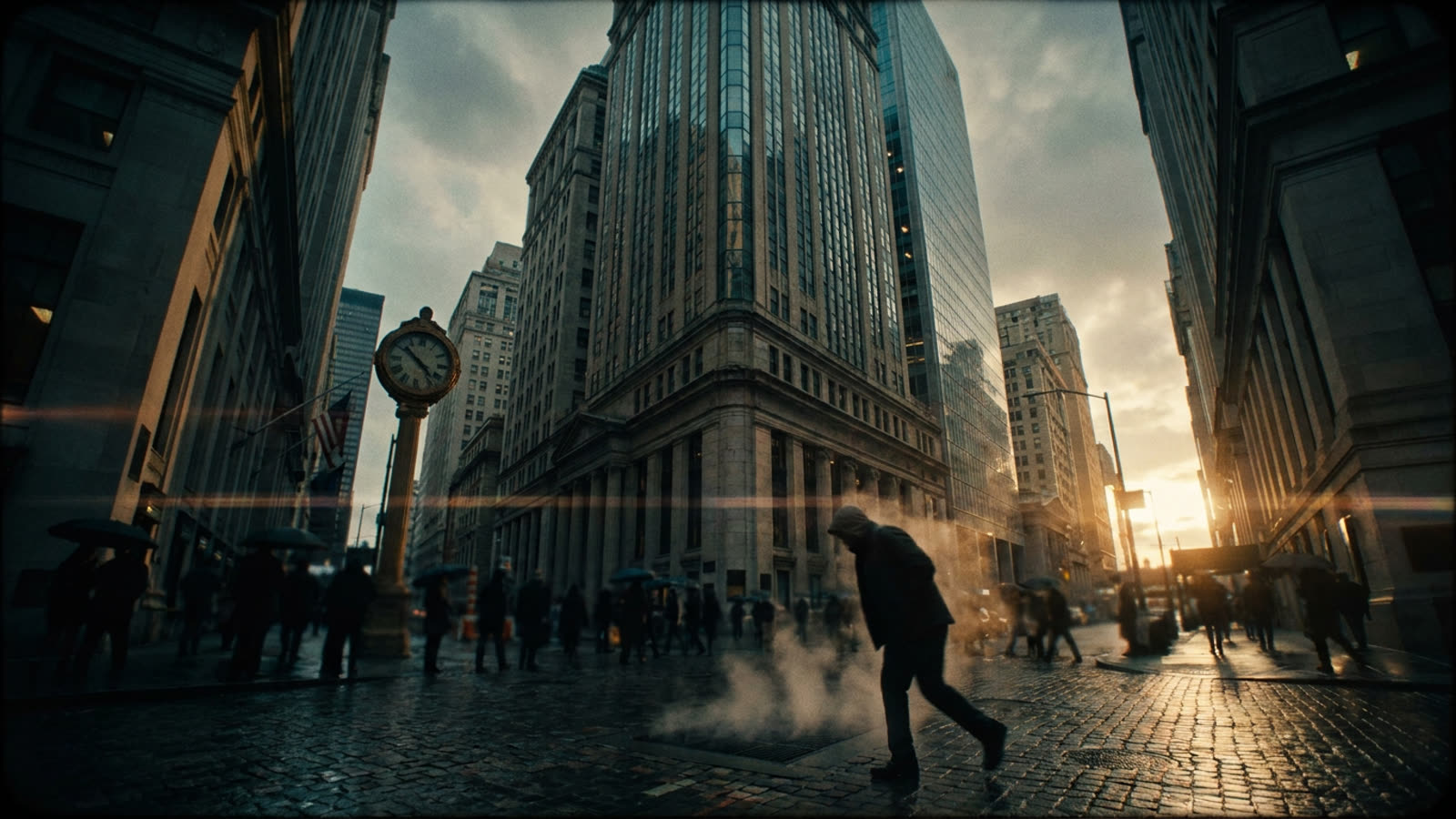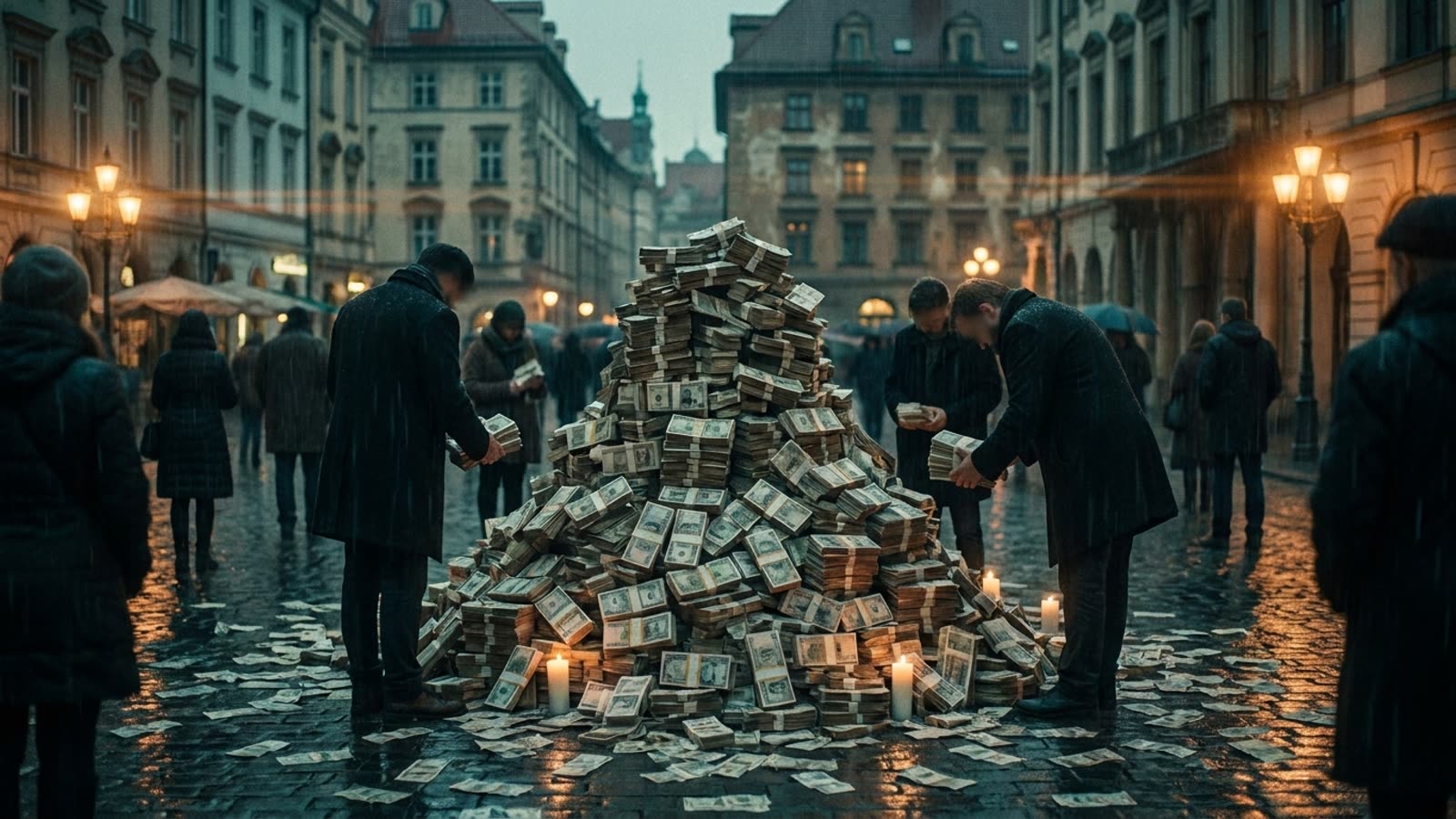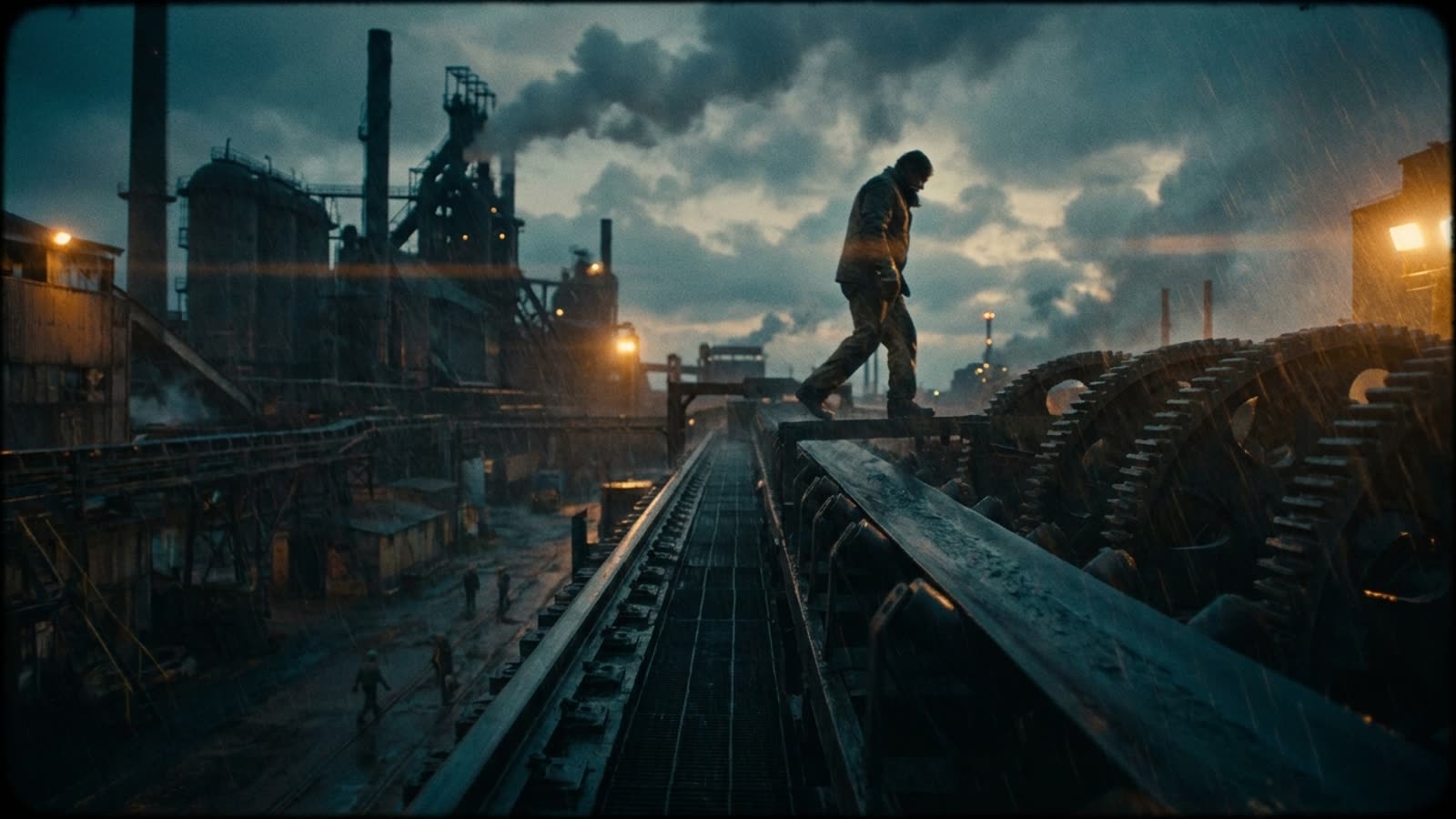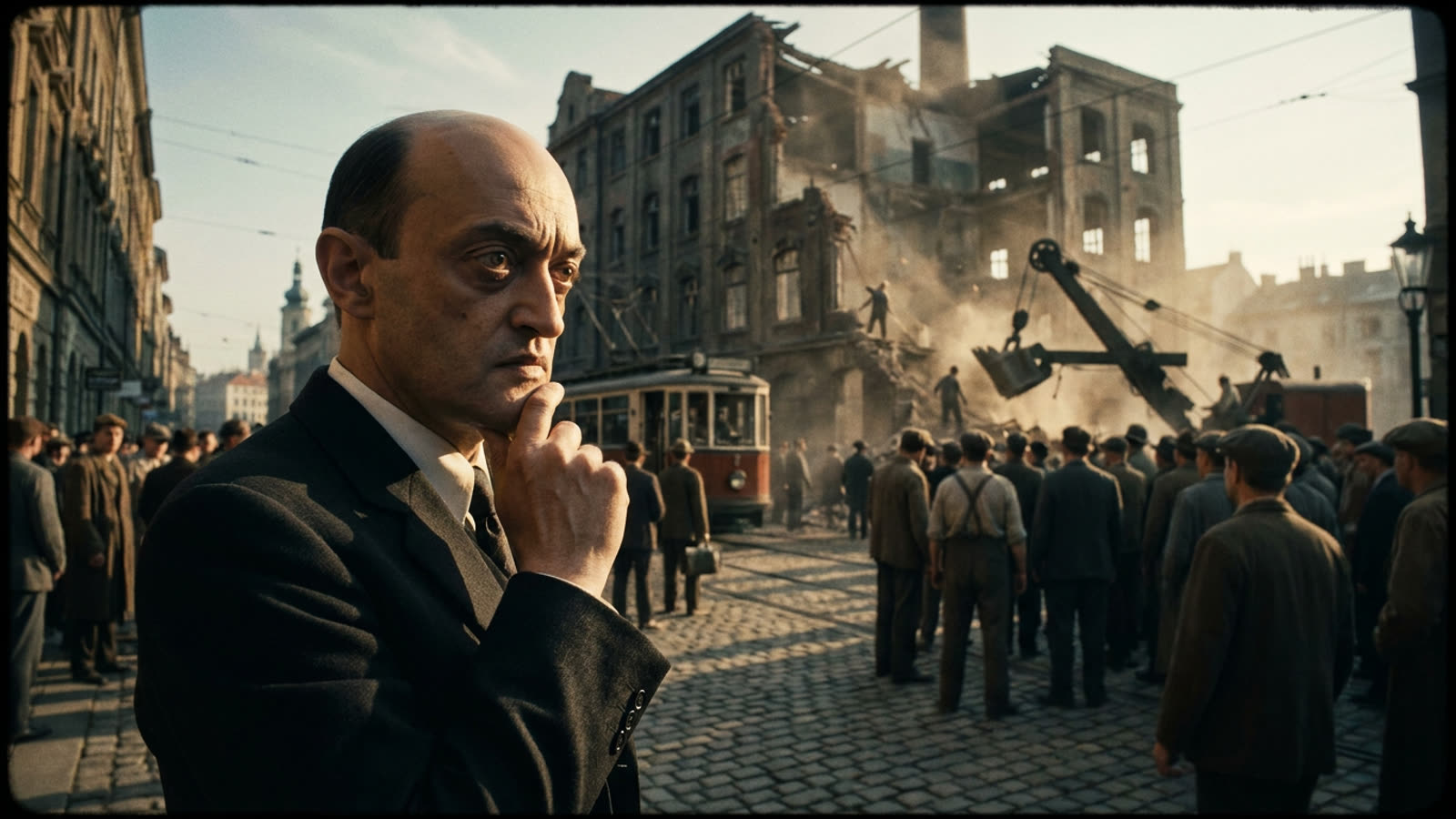
Every generation discovers the same uncomfortable truth: the economy that creates their opportunities will eventually destroy them. The textile workers of 1810s England, the switchboard operators of the 1960s, the video-store clerks of the 2000s, and the copywriters of today all share a common experience—watching their livelihoods dissolve not because they failed, but because someone invented something better.
Joseph Schumpeter, the Austrian economist who spent his final decades at Harvard, gave this phenomenon its enduring name in 1942: creative destruction. The phrase has since become so ubiquitous that it's lost its edge. Silicon Valley deploys it to justify disruption; politicians invoke it to explain away job losses; business schools teach it as settled wisdom. But Schumpeter meant something more radical than most users realize. He wasn't describing a bug in capitalism. He was describing its central feature.
The gale that never stops
Schumpeter argued that capitalism's essential characteristic isn't competition over prices or production methods within stable industries. It's the competition that comes from "the new commodity, the new technology, the new source of supply, the new type of organization." This competition doesn't merely adjust market share—it "strikes not at the margins of the profits and the outputs of the existing firms but at their foundations and their very lives."
The railroad didn't compete with the stagecoach by offering slightly faster horses. The automobile didn't compete with the railroad by laying cheaper track. Each innovation rendered the previous system's entire capital stock—physical, human, and organizational—partially or wholly obsolete. The process is relentless because entrepreneurs have powerful incentives to trigger it. Whoever introduces the next transformative innovation captures extraordinary profits, at least temporarily, before imitators catch up and the cycle begins again.
Why we hate what we need
The political economy of creative destruction is perverse. Its benefits are diffuse and its costs are concentrated. When a new technology makes goods cheaper or better, millions of consumers gain a little. When it eliminates an industry, thousands of workers lose everything. The workers organize, protest, and vote. The consumers barely notice their gains.
This asymmetry explains why every era produces movements to slow or halt the process. The Luddites smashed looms. Taxi cartels fought ride-sharing. Incumbent retailers seek regulations against online competitors. These efforts occasionally succeed locally and temporarily, but they cannot succeed globally and permanently—not without sacrificing the productivity growth that makes rising living standards possible.
Schumpeter himself was ambivalent about this. He predicted, incorrectly so far, that capitalism would eventually destroy itself—not through economic failure but through cultural success. As large corporations bureaucratized innovation and intellectuals turned hostile to bourgeois values, he believed the entrepreneurial spirit would fade. The prediction missed, but the concern was prescient. Societies that grow comfortable with their prosperity often forget what produced it.
Our take
Creative destruction is neither a policy choice nor a natural disaster. It's the mechanism by which market economies translate human ingenuity into human welfare—messily, unevenly, and often painfully. The honest response isn't to pretend it can be stopped or to celebrate the suffering it causes. It's to build institutions that help displaced workers adapt while preserving the process that makes adaptation worthwhile. Politicians who promise to freeze the economy in amber are offering nostalgia, not governance. The gale keeps blowing whether we acknowledge it or not.