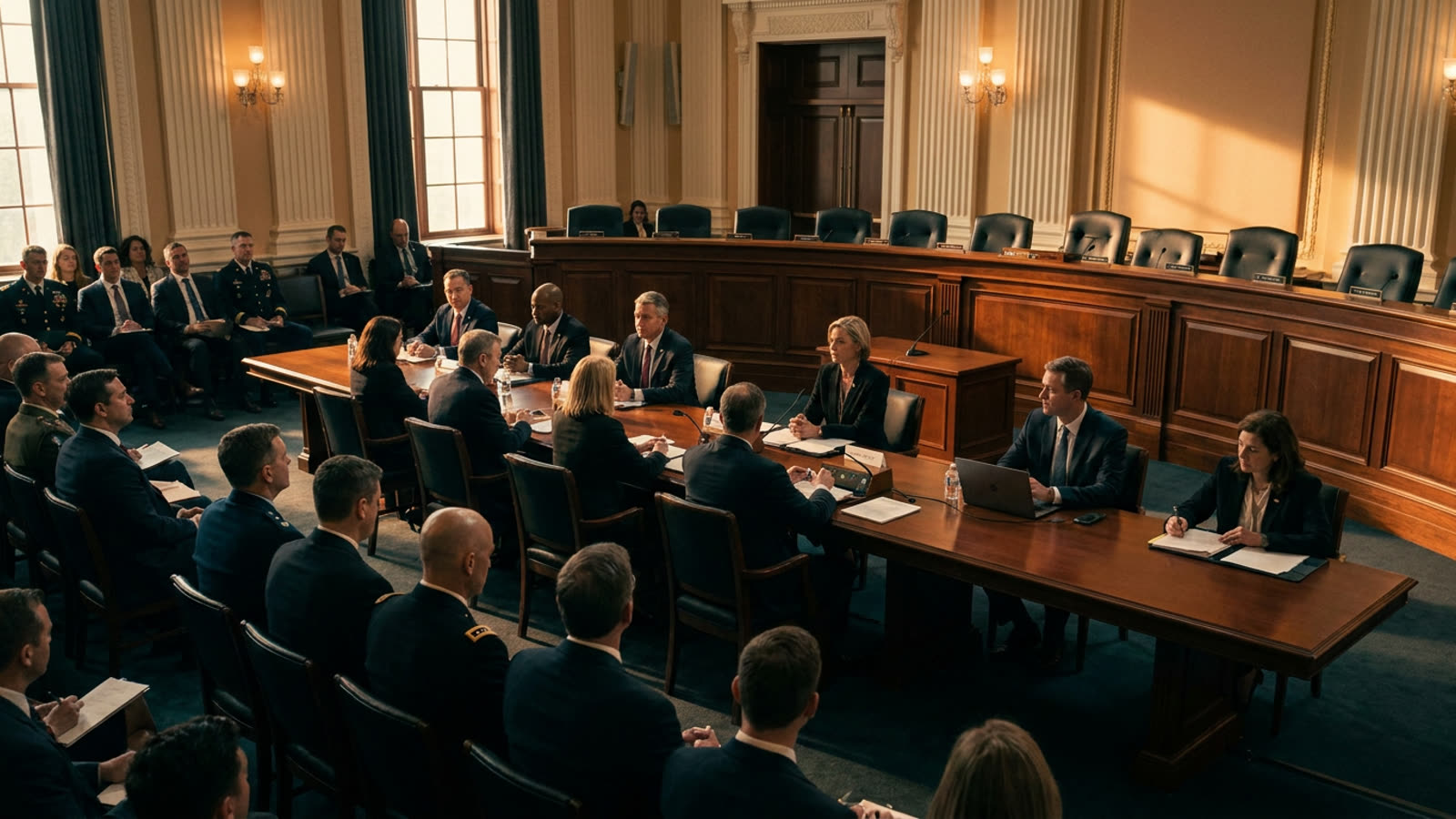
Colorado Democrats thought they had the numbers. With commanding majorities in both legislative chambers and a sympathetic state supreme court, the party moved aggressively this spring to redraw congressional district boundaries—a process that, if completed before the 2026 midterms, would likely have netted them one additional House seat and fortified another. Instead, they now face the prospect of running on the old maps, the ones drawn by an independent commission in 2021 that have proven stubbornly competitive.
The Colorado Supreme Court's decision to delay oral arguments until late autumn—citing an overcrowded docket and the complexity of the underlying census-adjustment methodology—effectively kills any chance of new maps taking effect before next year's primaries. Filing deadlines arrive in January. Candidates need to know their districts. The calendar, that most merciless of political actors, has spoken.
The stakes beyond Denver
This is not merely a local squabble. Colorado's eight congressional seats include two districts—the 3rd and 8th—that have flipped parties in the past decade. National Democrats, facing a brutal Senate map in 2026 and desperate to claw back House seats lost in 2024, were counting on Colorado to deliver. The state party's legal strategy, which bypassed the independent redistricting commission by arguing that post-2020 census corrections required legislative intervention, was always a gambit. It assumed speed. Speed is now gone.
Republicans, who had denounced the maneuver as a naked power grab, are understandably pleased. The state GOP's chair called the delay "a victory for the process," though it is more accurately a victory for the status quo—which, in a state trending blue, still favors Democrats overall, just not as dramatically as they had hoped.
What the court actually said
The justices were careful to frame their decision as administrative rather than substantive. No ruling on the merits of the Democratic legislature's authority to redraw maps has been issued. But the timing suggests the court is in no hurry to wade into a fight that has already generated death threats against commissioners and accusations of judicial partisanship from both sides. By pushing arguments past the practical deadline, the court has effectively made a decision by not making one.
This is a familiar pattern in American redistricting litigation. Courts often prefer to let elections proceed under existing maps rather than impose last-minute changes that confuse voters and advantage whichever party was better prepared for chaos. The doctrine has a name—the Purcell principle—and while it technically applies to federal courts, state tribunals have increasingly adopted its logic.
Our take
Colorado Democrats wagered that speed and unified government would let them redraw the rules before anyone could stop them. They were half right: no one stopped them, but the calendar did. The lesson here is older than gerrymandering itself. In politics, as in poker, overconfidence in a strong hand often leads to calling too early. The maps will wait. The midterms will not.