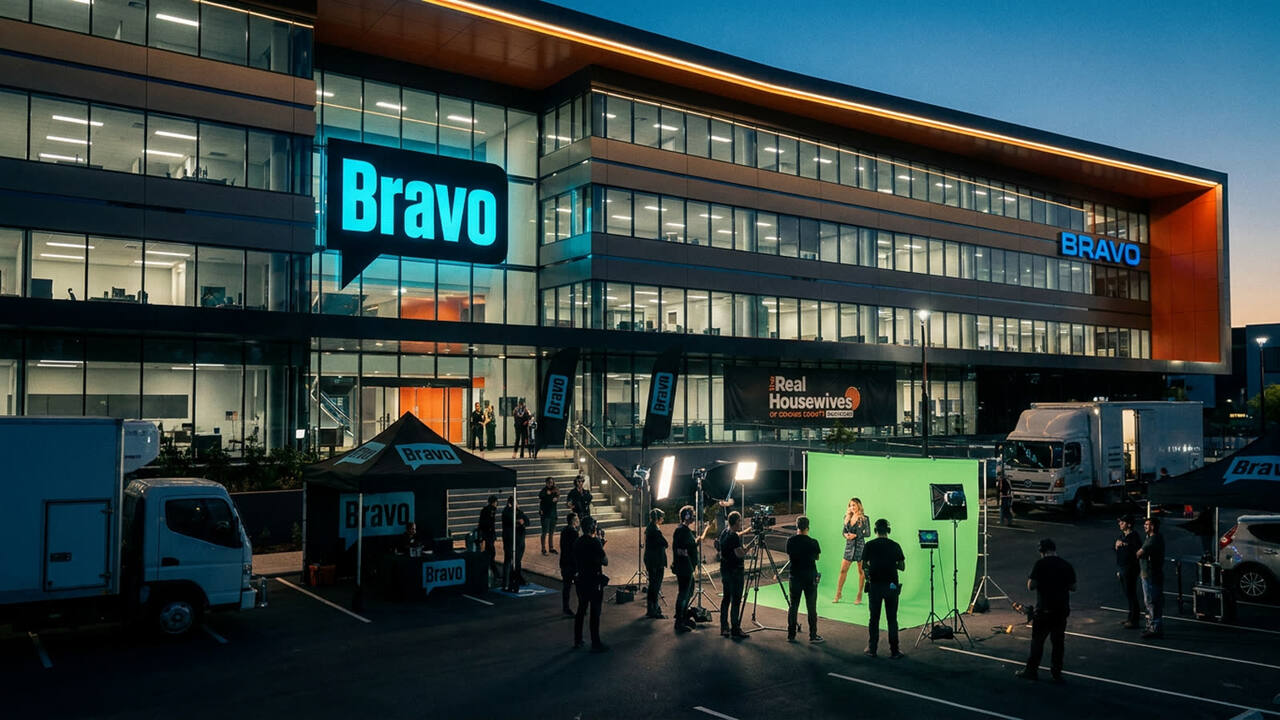
The Real Housewives franchise has always operated on a simple premise: wealthy women behaving badly makes for compulsive viewing. But as RHOC enters its nineteenth season, the introduction of Carmella Garcia signals something more calculated than the usual cast shuffle — it's an acknowledgment that the original Housewives formula needs reinvention to survive.
Garcia joins a franchise that practically invented the modern reality television playbook. Orange County launched in 2006, predating Instagram, the iPhone, and the entire influencer economy that would eventually reshape how audiences consume celebrity content. The women who once seemed aspirationally glamorous now compete for attention with TikTok creators who can manufacture drama in sixty-second clips.
The new blood strategy
Bravo has been quietly overhauling its Housewives rosters across multiple cities, bringing in younger cast members and women with established social media followings. The network understands that legacy cast members — however beloved by longtime viewers — cannot alone attract the demographic advertisers covet. Garcia fits this pattern: a newcomer without the institutional baggage of seasons-long feuds, arriving with the potential to form fresh alliances and generate novel storylines.
The challenge is delicate. Push out too many veterans and you alienate the devoted fanbase that has sustained these shows through ratings fluctuations. Keep too many and the content calcifies into predictable patterns. Beverly Hills learned this lesson painfully; New York attempted a full reboot that satisfied almost no one.
Reality television's identity crisis
The broader context matters here. Streaming platforms have fractured the audience that once gathered around appointment television. The Housewives shows retain value precisely because they generate live viewing and social media conversation — metrics that justify premium advertising rates. But that value depends on cultural relevance, on being the thing people discuss at brunch rather than background noise during laundry folding.
Garcia's casting suggests Bravo believes Orange County can still matter. The network is investing in narrative potential rather than coasting on nostalgia. Whether Garcia herself becomes a breakout star or a forgettable single-season presence is almost beside the point. Her arrival represents institutional confidence that the franchise deserves continued creative attention.
Our take
There's something almost poignant about watching Bravo tinker with a formula that once needed no tinkering. The Real Housewives invented a genre, influenced fashion, launched catchphrases into the lexicon, and made wealthy dysfunction a spectator sport. That it now requires strategic casting refreshes to maintain relevance says less about the show's quality than about how thoroughly social media has democratized the business of being watched. Carmella Garcia may or may not become a household name. But her presence confirms that even reality television's most successful franchise must evolve or fade into the algorithmic background noise.