When officials order 40,000 residents to abandon their homes because a single chemical tank might rupture, the immediate crisis is terrifying enough. But the deeper story is what that tank represents: decades of deferred maintenance, regulatory gaps, and political neglect converging on a population that has grown accustomed to living alongside industrial hazards it barely understands.
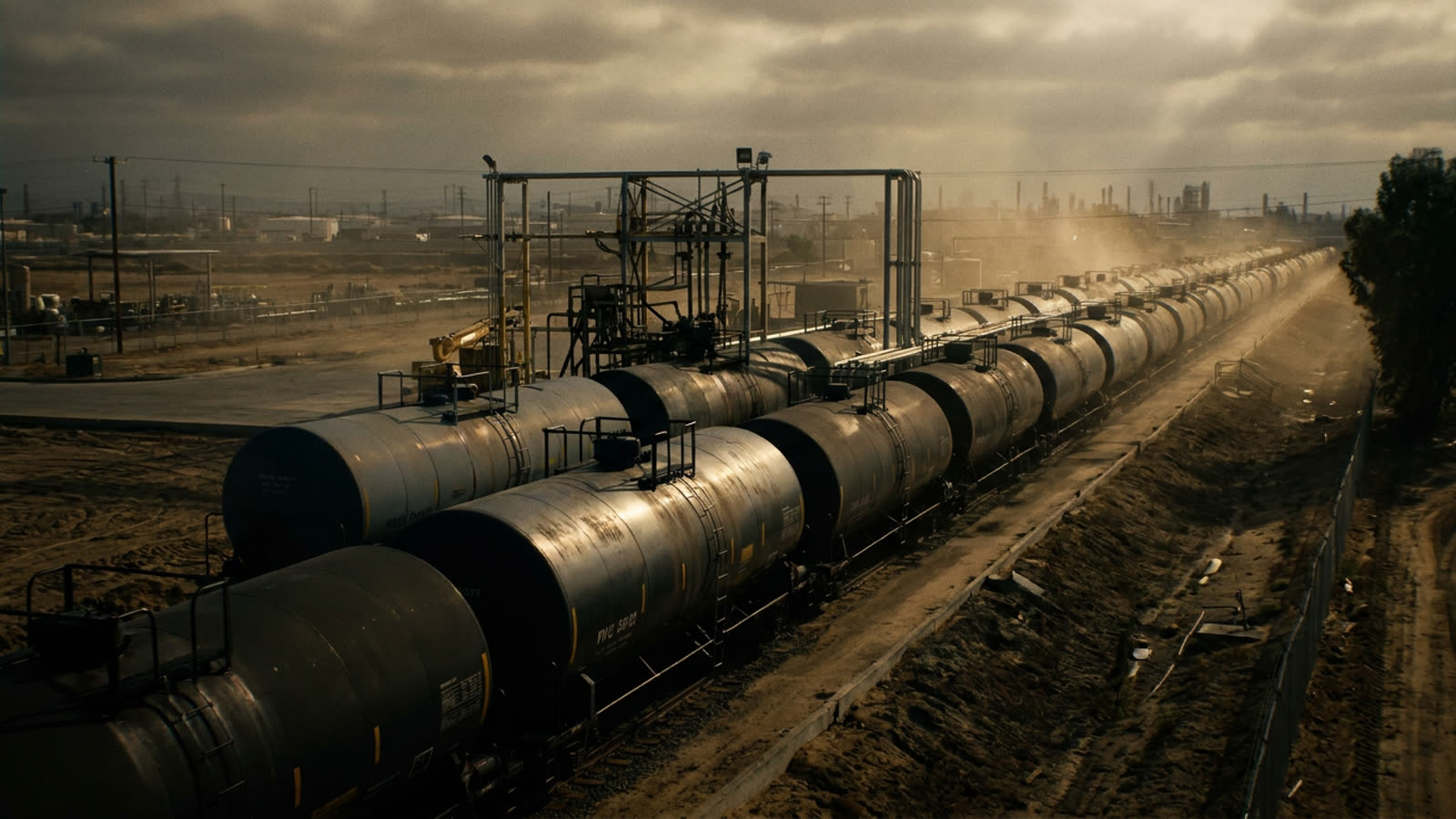
The evacuation zone in Southern California now encompasses entire neighborhoods whose residents woke to emergency alerts and fled with whatever they could carry. The tank in question contains toxic chemicals whose release could produce a vapor cloud capable of causing mass casualties. Emergency responders are working to stabilize the situation, but the uncertainty itself has become the story—no one can say with confidence whether the containment will hold.
The infrastructure question nobody wants to answer
California's industrial facilities were largely built in an era when environmental and safety standards were suggestions rather than mandates. Many of these sites have changed hands multiple times, with each successive owner inheriting maintenance backlogs and compliance gaps that compound over decades. State regulators have repeatedly flagged aging infrastructure as a systemic risk, but funding for inspections and enforcement has never matched the scale of the problem.
The political calculus is brutal: voters notice when bridges collapse or wildfires consume towns, but they rarely mobilize around the slow decay of chemical storage facilities until something goes catastrophically wrong. Elected officials face pressure to cut budgets and reduce regulatory burdens, and industrial safety rarely survives the triage.
Emergency response under strain
The evacuation itself has been relatively orderly, a testament to California's hard-won expertise in managing mass displacement. Years of wildfire seasons have forced local governments to develop evacuation protocols that can move tens of thousands of people on short notice. But the strain on emergency services is evident. Shelters are filling, traffic has gridlocked evacuation routes, and the psychological toll on displaced families is mounting by the hour.
First responders are operating in hazmat conditions, attempting to assess the tank's structural integrity while preparing for worst-case scenarios. The technical challenge is formidable: stabilizing a compromised vessel containing volatile chemicals requires expertise that few local fire departments possess. Federal resources have been requested, but response times for specialized teams can stretch into days.
Our take
This is not a natural disaster. It is a man-made crisis that was entirely foreseeable and almost certainly preventable with adequate investment and oversight. California's political leadership has spent years warning about infrastructure decay while failing to marshal the resources or political will to address it. The 40,000 people sleeping in shelters tonight are paying the price for that collective failure. When the immediate danger passes, the temptation will be to treat this as an isolated incident rather than a symptom. That would be the final insult.