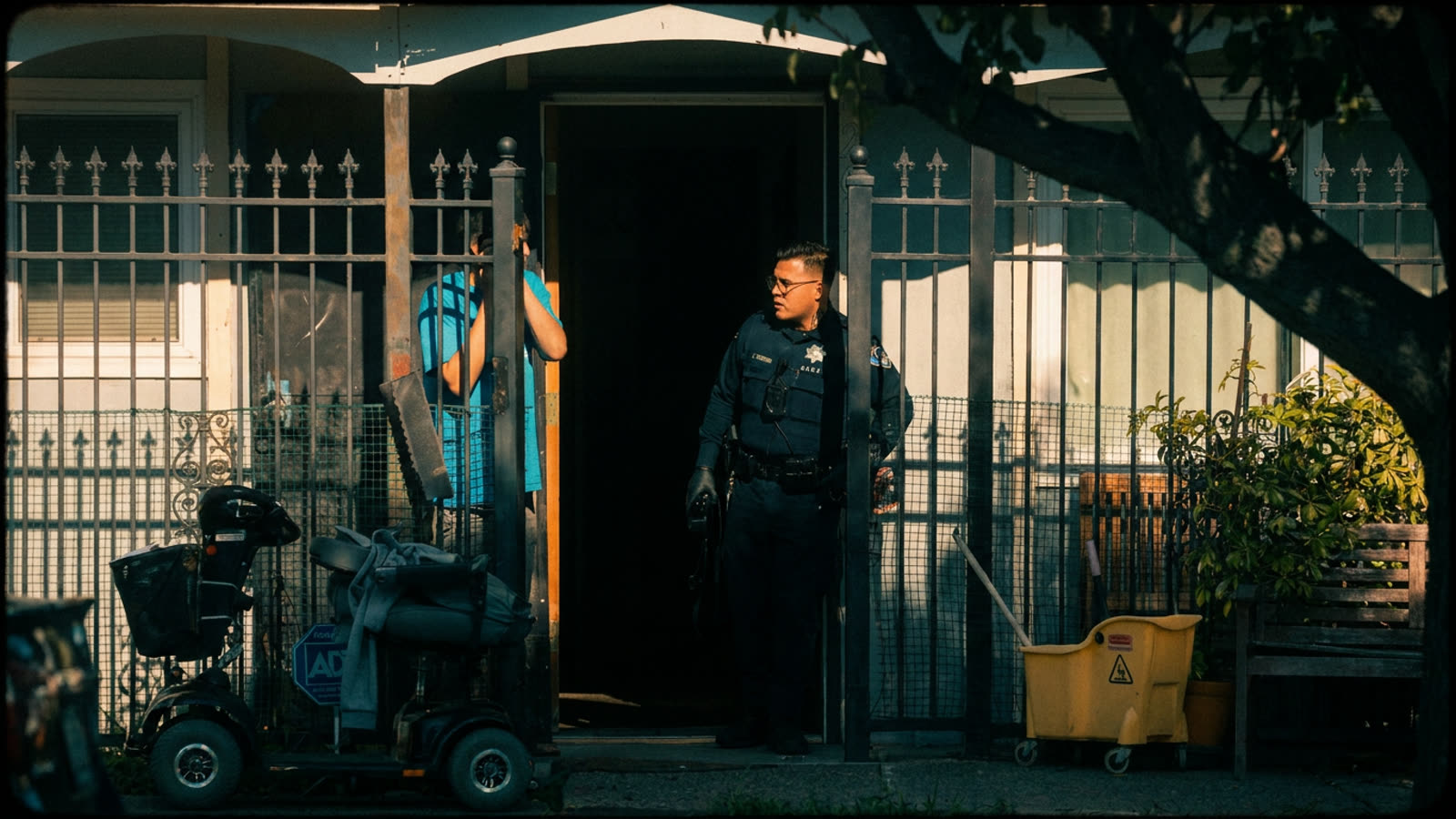
An armed man barricaded himself inside a Bank of America branch in downtown San Jose on Monday afternoon, holding an unknown number of employees and customers hostage in what became a hours-long standoff with law enforcement. By early Tuesday morning Pacific time, the situation remained unresolved, with SWAT units maintaining a perimeter and negotiators attempting contact with the suspect.
The incident began around 3 p.m. local time when the man entered the branch on Santa Clara Street, brandished a weapon, and refused to leave. Witnesses reported hearing shouting before police arrived and cordoned off several surrounding blocks. San Jose Police Department officials confirmed they were treating the situation as a hostage crisis but declined to specify the number of people inside or the suspect's demands.
A city on edge
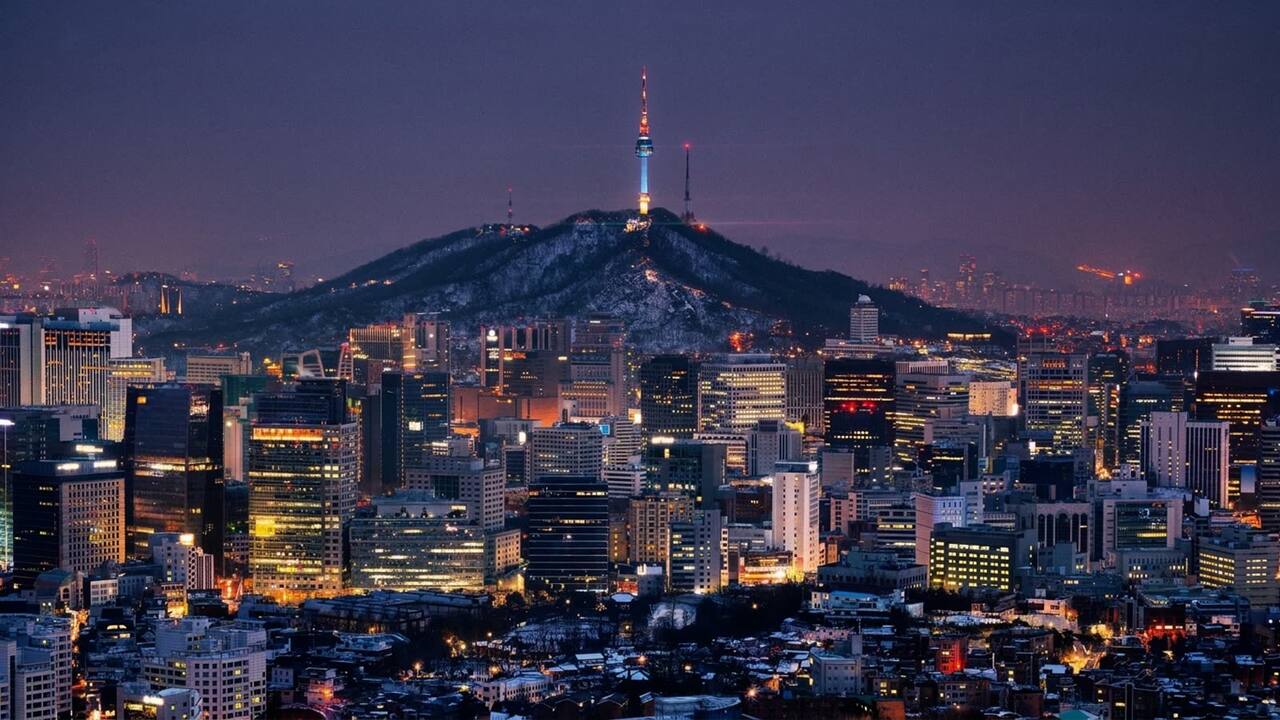
San Jose, home to more than a million residents and the economic heart of Silicon Valley, has experienced its share of mass violence. The 2021 shooting at a Valley Transportation Authority rail yard left nine workers dead, marking one of the deadliest workplace attacks in California history. That tragedy prompted renewed discussions about security protocols at public facilities, though banks—with their combination of accessible locations, cash on hand, and civilian foot traffic—remain inherently difficult to fortify without fundamentally altering their function.
The current standoff has paralyzed a section of downtown during what would normally be the evening commute. Light rail service was temporarily suspended on adjacent lines, and several tech companies with offices nearby instructed employees to shelter in place or work remotely. Local schools that had already dismissed for the day issued alerts to parents about the police activity.
The negotiation calculus
Hostage situations at financial institutions follow a grimly familiar playbook. Unlike ideologically motivated sieges, bank standoffs typically involve individuals seeking money, escape, or some combination of both—though mental health crises and personal grievances can complicate the picture. Law enforcement's primary objective is preserving life, which generally means patience: the longer a standoff continues without violence, the higher the probability of peaceful resolution.
San Jose police have not disclosed whether the suspect made specific demands or whether any communication has been established. The FBI's San Francisco field office confirmed it was monitoring the situation and prepared to assist if requested, standard protocol for incidents that could potentially involve federal crimes.
Our take
Every hostage standoff is a referendum on the social contract—a reminder that the mundane spaces of commerce and daily life exist only because most people, most of the time, choose not to disrupt them with violence. America's particular challenge is that the tools for such disruption are exceptionally available. San Jose will likely resolve this crisis, as most are resolved, through exhaustion and negotiation rather than tactical assault. But the hours of terror experienced by those inside the bank, and the anxiety radiating through a major American city, represent a cost that has become so routine it barely registers as extraordinary. It should.