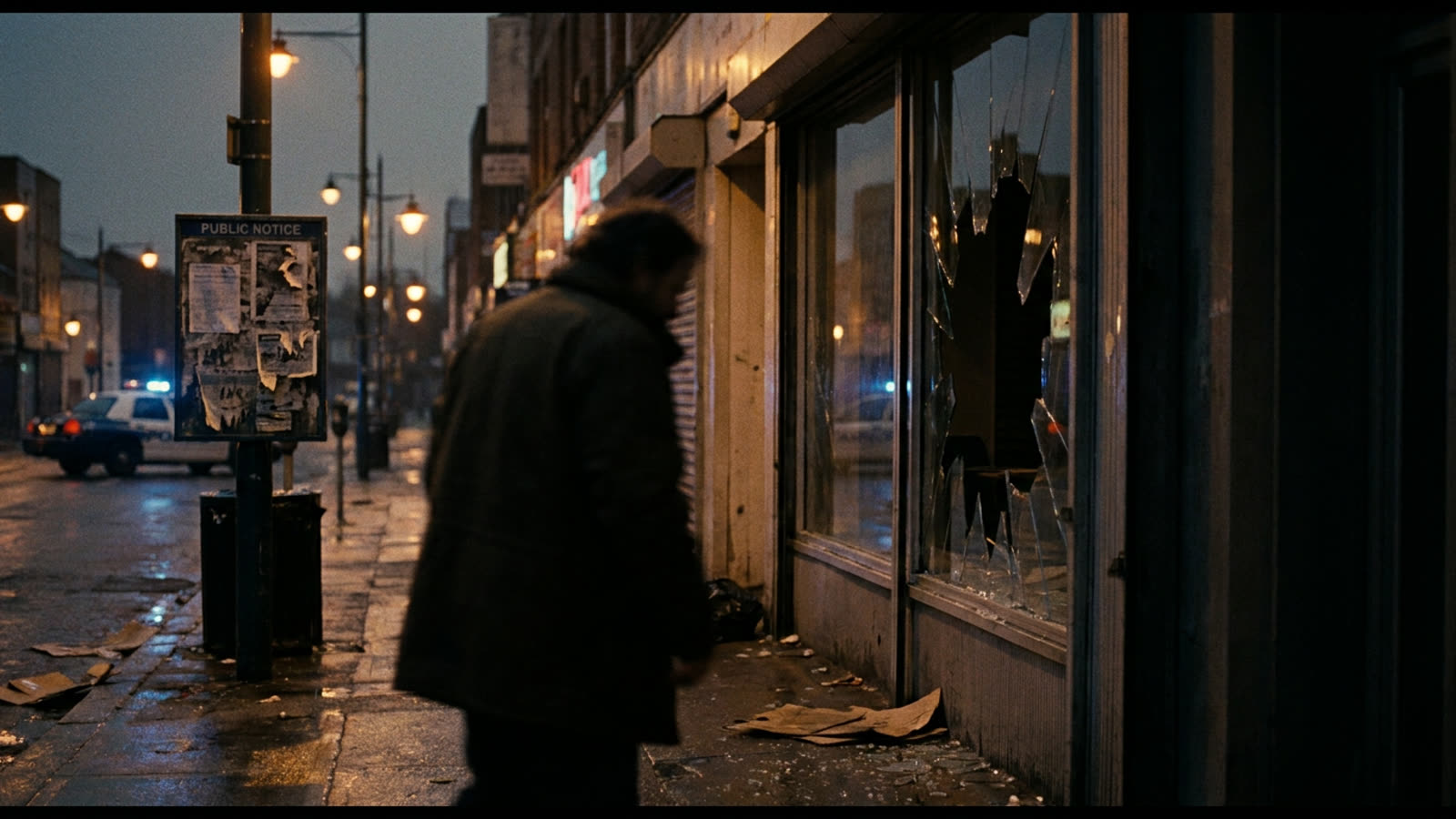
The phrase "broken windows" carries an unusual double life in policy circles. In criminology, it refers to the theory that visible signs of disorder—graffiti, litter, that shattered pane nobody repairs—invite more serious crime. In economics, it evokes Frédéric Bastiat's parable about the hidden costs of destruction. These two frameworks share a name and a preoccupation with property damage, yet they pull in opposite directions. Understanding their tension illuminates why urban economic policy remains so contentious.
The criminological version emerged from a 1982 Atlantic Monthly article by James Q. Wilson and George Kelling. Their argument was intuitive: neighborhoods that tolerate minor disorder signal that nobody is watching, which emboldens criminals. The policy prescription followed naturally—crack down on small infractions to prevent larger ones. New York City's aggressive policing in the 1990s became the most famous application, and crime did fall dramatically, though whether broken windows policing deserved credit remains fiercely debated among researchers.
The Economic Underpinning Nobody Questioned
What received less scrutiny was the economic logic embedded in the theory. Wilson and Kelling assumed that physical disorder depresses property values, drives away businesses, and traps residents in a spiral of disinvestment. This seems obvious until you notice the causal arrow could point either way. Do broken windows cause economic decline, or does economic decline cause broken windows? The distinction matters enormously for policy. If disorder is a symptom rather than a cause, aggressive policing treats the fever while ignoring the infection.
Business improvement districts, which now blanket commercial corridors in cities worldwide, operate on the broken windows economic premise. Property owners tax themselves to fund private sanitation, security, and maintenance—essentially paying to eliminate visible disorder. The model has been remarkably successful at revitalizing certain neighborhoods, though critics note it often displaces problems rather than solving them, pushing homeless populations and informal economies into adjacent areas with less organized capital.
The Bastiat Paradox
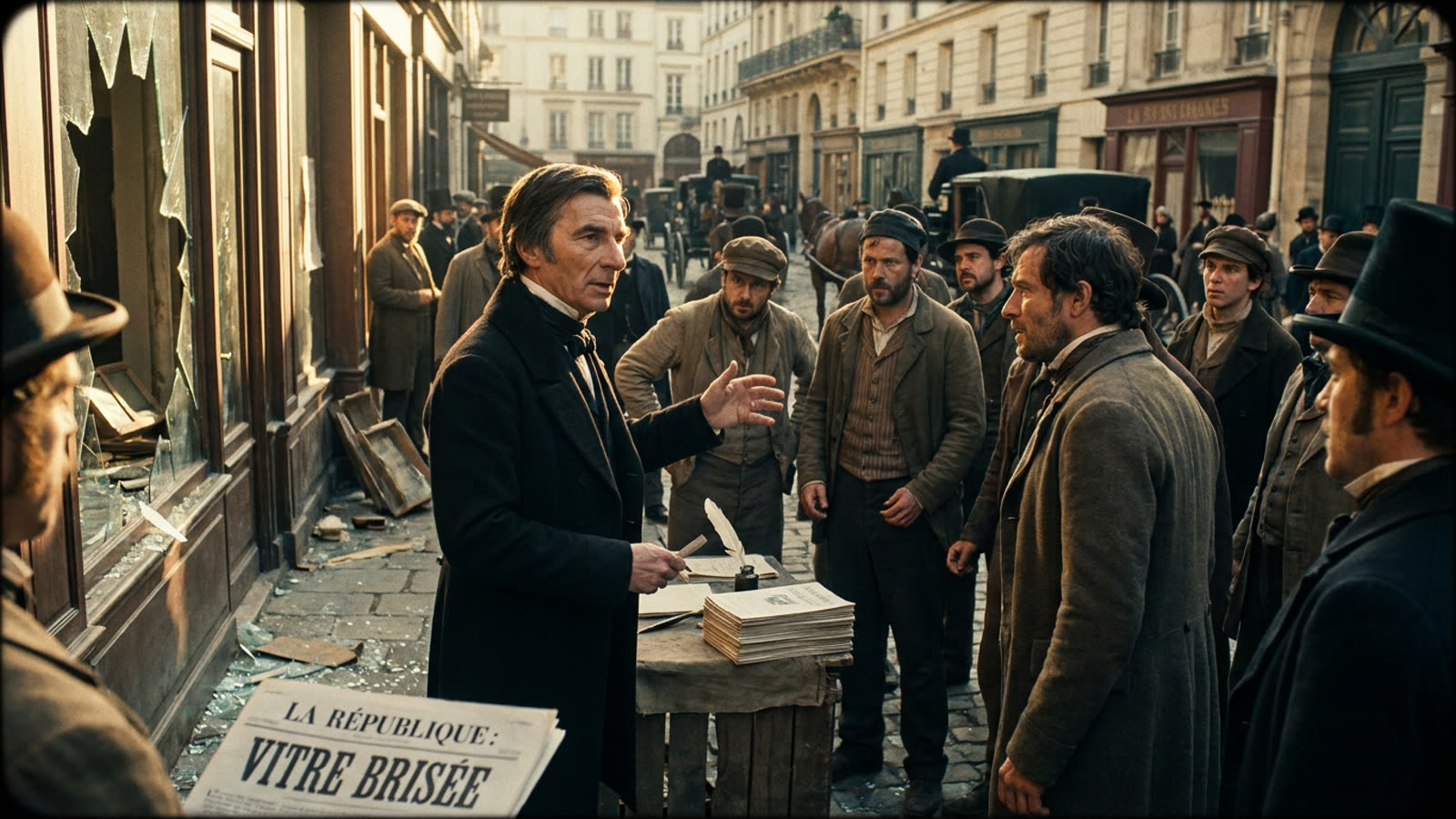
Here the other broken window enters the conversation. Bastiat's 1850 parable imagined a shopkeeper whose window is smashed by a careless child. Onlookers console him by noting the glazier will benefit, stimulating economic activity. Bastiat's point was that this reasoning ignores what economists call opportunity cost—the shopkeeper would have spent that money on something else, likely something more productive than replacing what he already had. Destruction does not create wealth; it merely redirects spending while subtracting from the total stock of goods.
The paradox for urban policy is that broken windows policing implicitly accepts Bastiat's logic—disorder destroys value—while the economic development strategies that often accompany it sometimes forget it entirely. Tax incentives for developers to build in blighted areas can amount to subsidizing the replacement of what disinvestment broke, without addressing why disinvestment occurred. The glazier gets paid, but the underlying economic vitality that would have generated organic demand remains absent.
Our take
The staying power of broken windows thinking reveals something about how policy travels from academia to implementation. A compelling metaphor, backed by plausible-sounding economics, can shape billions in spending and millions of police encounters for decades. The theory was never definitively proven, and its economic assumptions were borrowed rather than tested. Yet it offered what policymakers crave: a tractable problem with a visible solution. Sometimes the most influential ideas are not the most rigorous but simply the most actionable. That should make us nervous about the next intuitive-sounding framework waiting in the wings.