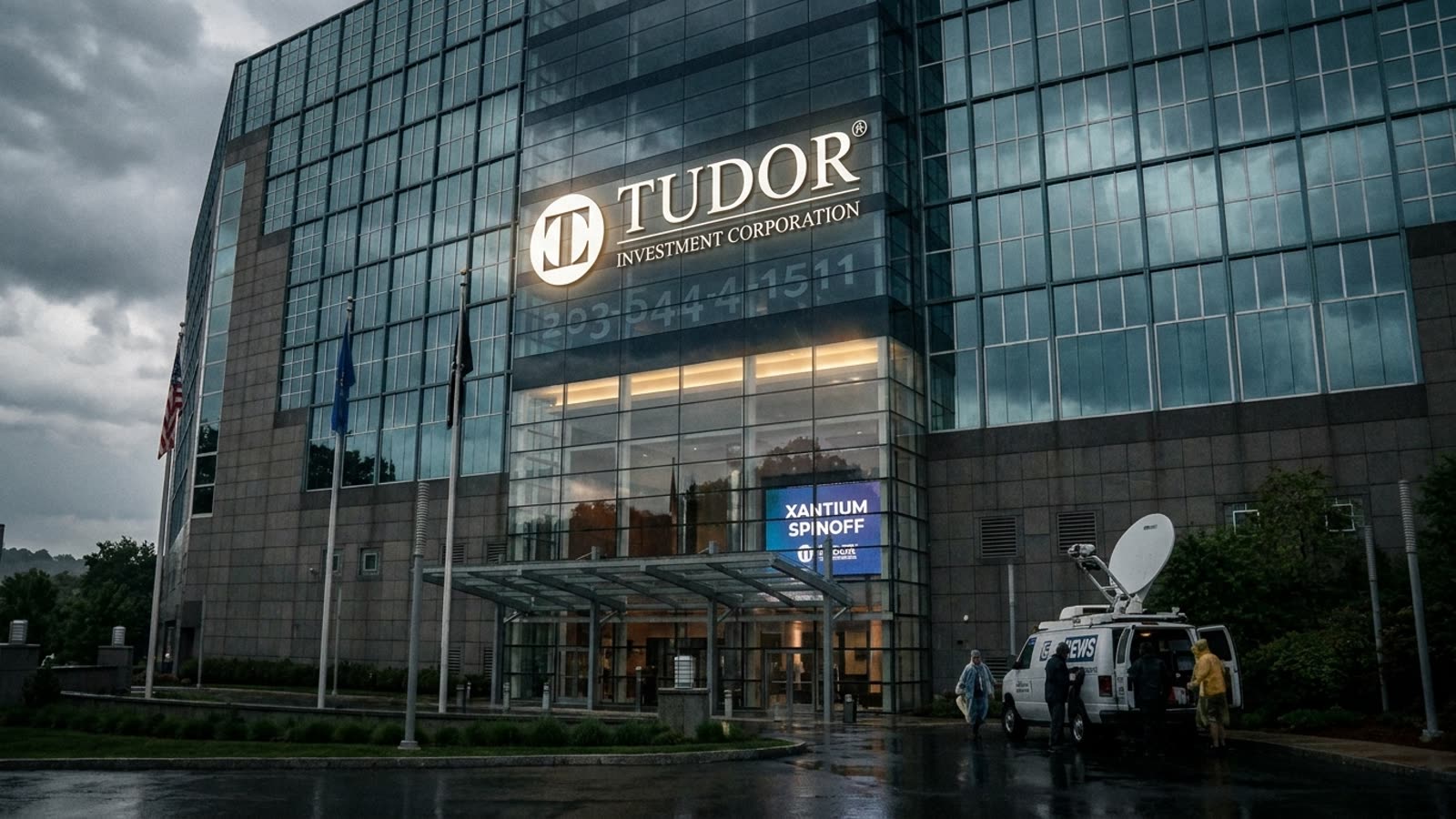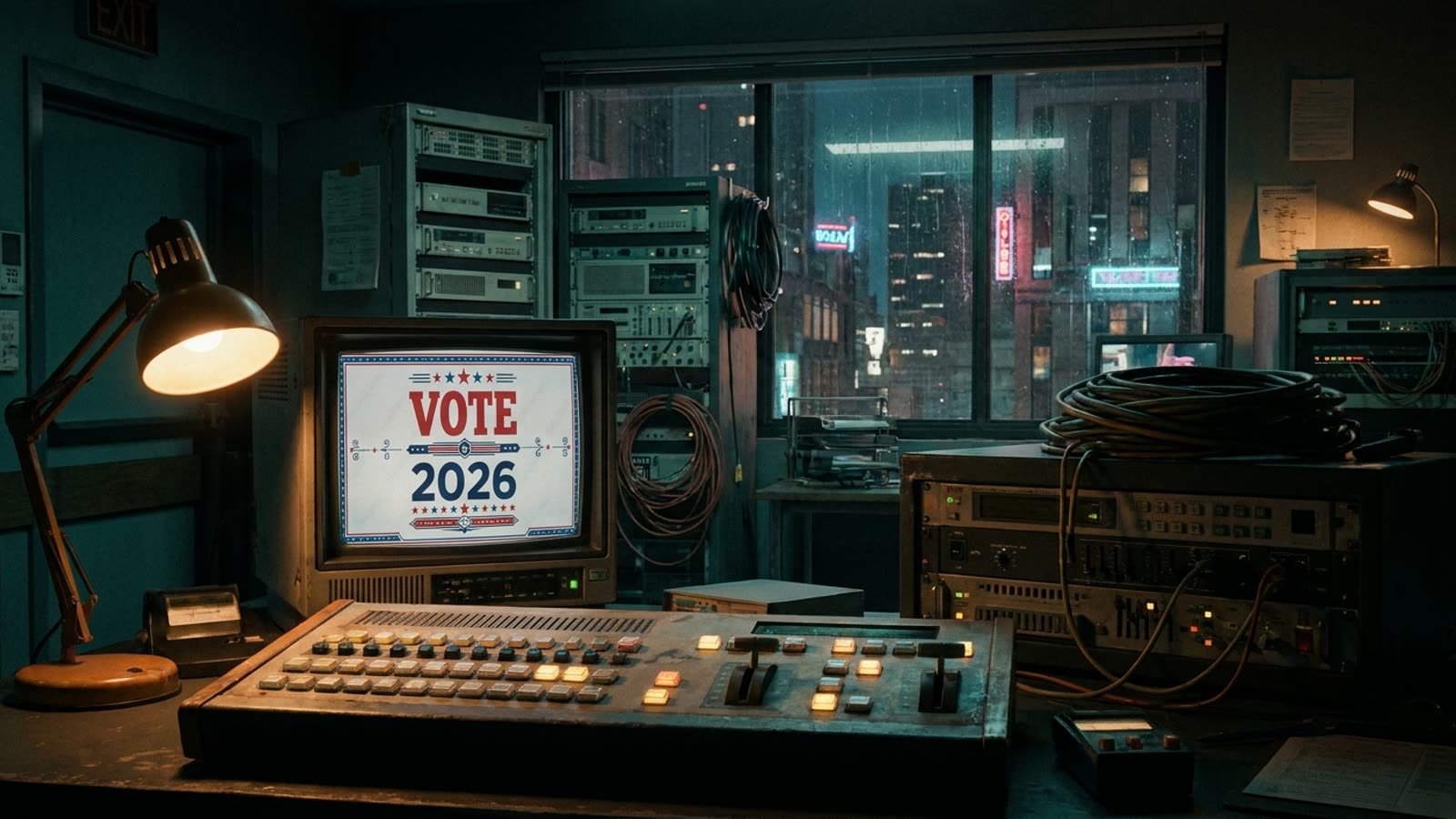
The conventional wisdom holds that linear television is dying, its advertising revenues bleeding out to YouTube pre-rolls and TikTok influencer deals. The 2026 midterms have delivered a pointed rebuttal. Local broadcast stations across America are experiencing their most lucrative political cycle since the post-Citizens United boom of the early 2010s, with political ad spending on track to shatter records even as brand advertisers continue their migration elsewhere.
The paradox is instructive: the same media buyers who consider broadcast passé for selling automobiles or insurance consider it essential for selling candidates.
Why politicians still need the living room
The logic is demographic. Midterm voters skew older and more habitual than the general electorate, and older Americans still watch local news at dinner. A thirty-second spot during the 6 p.m. broadcast in Houston or Phoenix reaches precisely the persuadable, high-propensity voters that campaigns cannot afford to miss. Streaming platforms offer superior targeting for sneakers; they cannot yet guarantee the same reach among sixty-five-year-olds in swing districts who actually show up on Tuesday.
Texas has become the epicentre of the spending surge. Competitive races for Senate, governor, and a handful of House seats have turned Dallas-Fort Worth and Austin into the most expensive media markets in the country for political buyers. Station owners report that prime inventory sold out weeks ago; latecomers are paying premium rates for less desirable slots.
The subsidy that keeps broadcast alive
For local affiliates, the biennial political windfall has become a structural subsidy. Retransmission fees from cable and satellite providers have eroded as cord-cutting accelerates. National advertising has shifted to programmatic digital buys. What remains reliable is the two-year cycle of candidates who must, by law, be offered the lowest unit rate but who nonetheless spend so heavily that stations book record revenues.
The dependency is not without risk. A future in which campaigns shift to digital micro-targeting—or in which regulatory changes reduce political ad volumes—would expose the fragility of the broadcast business model. For now, though, the checks clear.
Our take
Broadcast television's political relevance is a lagging indicator, not a leading one. The medium survives because the electorate ages faster than media habits change. When the last generation of reliable midterm voters finally abandons the evening news, so too will the campaigns. Until then, station owners should enjoy the windfall—and perhaps invest in whatever comes next.