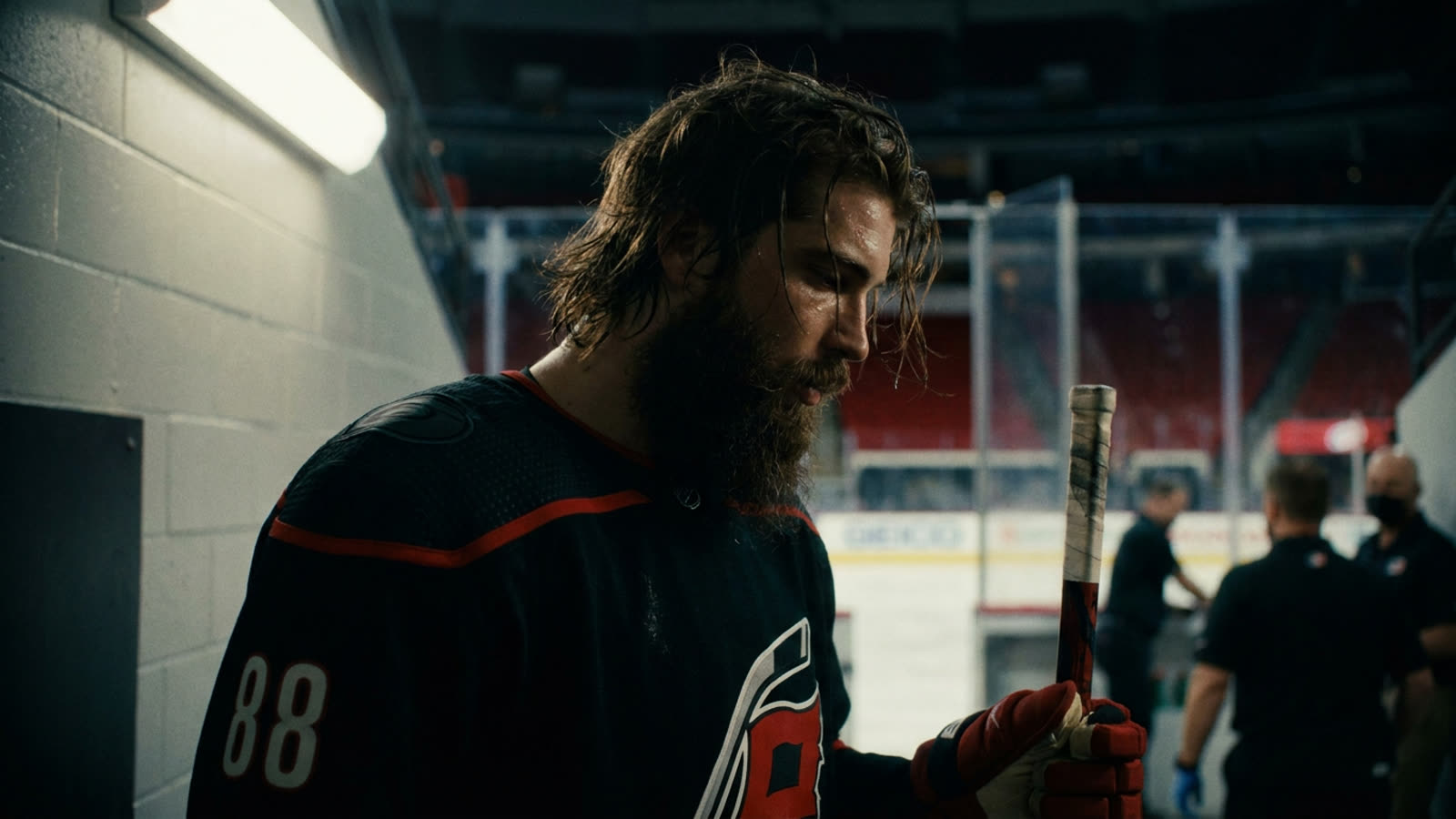
Professional sports rarely produce genuine sentiment. The industry runs on contract disputes, trade demands, and the cold calculus of declining production curves. Which makes the phenomenon surrounding Brent Burns—the 41-year-old Hurricanes defenseman whose playoff run has generated an outpouring of support from across the hockey world—so striking.
Burns, who has spent two decades in the NHL accumulating a Norris Trophy, three All-Star selections, and one of the most recognizable beards in professional sports, is playing what may be his final postseason. And the hockey community has responded with something approaching reverence.
The coalition of the willing
Former teammates from his San Jose and Minnesota tenures have been vocal in their support. Current rivals have offered public praise. The "army of supporters" that has coalesced around Burns includes players, coaches, and front-office personnel who rarely agree on anything beyond the offside rule.
This is unusual. Professional hockey maintains a culture of studied indifference toward individual narratives during playoff runs. Teams speak in platitudes about "the group" and "the process." Yet Burns has somehow become an exception—a player whose personal stakes have been granted collective significance.
The explanation lies partly in longevity. Burns has been a fixture long enough that an entire generation of players grew up watching him, then played against him, and now find themselves rooting for him. He represents continuity in a league defined by constant roster churn.
The economics of goodwill
There's a commercial dimension to this phenomenon that shouldn't be ignored. The NHL has struggled to manufacture the kind of individual star narratives that drive engagement in the NBA or NFL. Burns—with his distinctive appearance, his unconventional playing style for a defenseman, and his reputation for genuine eccentricity—offers exactly the storyline the league's marketing apparatus craves.
The Hurricanes, facing elimination pressure in their Stanley Cup run, benefit from having a player whose personal narrative generates attention beyond the typical hockey audience. Burns merchandise has seen increased demand. His social media mentions have spiked.
Our take
The Burns phenomenon reveals something about how professional sports communities process aging and decline. We prefer our veterans to exit on their own terms, preferably with a championship, because it reinforces the comforting fiction that excellence is eventually rewarded. Burns may or may not win the Cup. But the support surrounding him suggests the hockey world has already decided he deserves to—which is, in its way, a more interesting outcome than whatever happens on the ice.