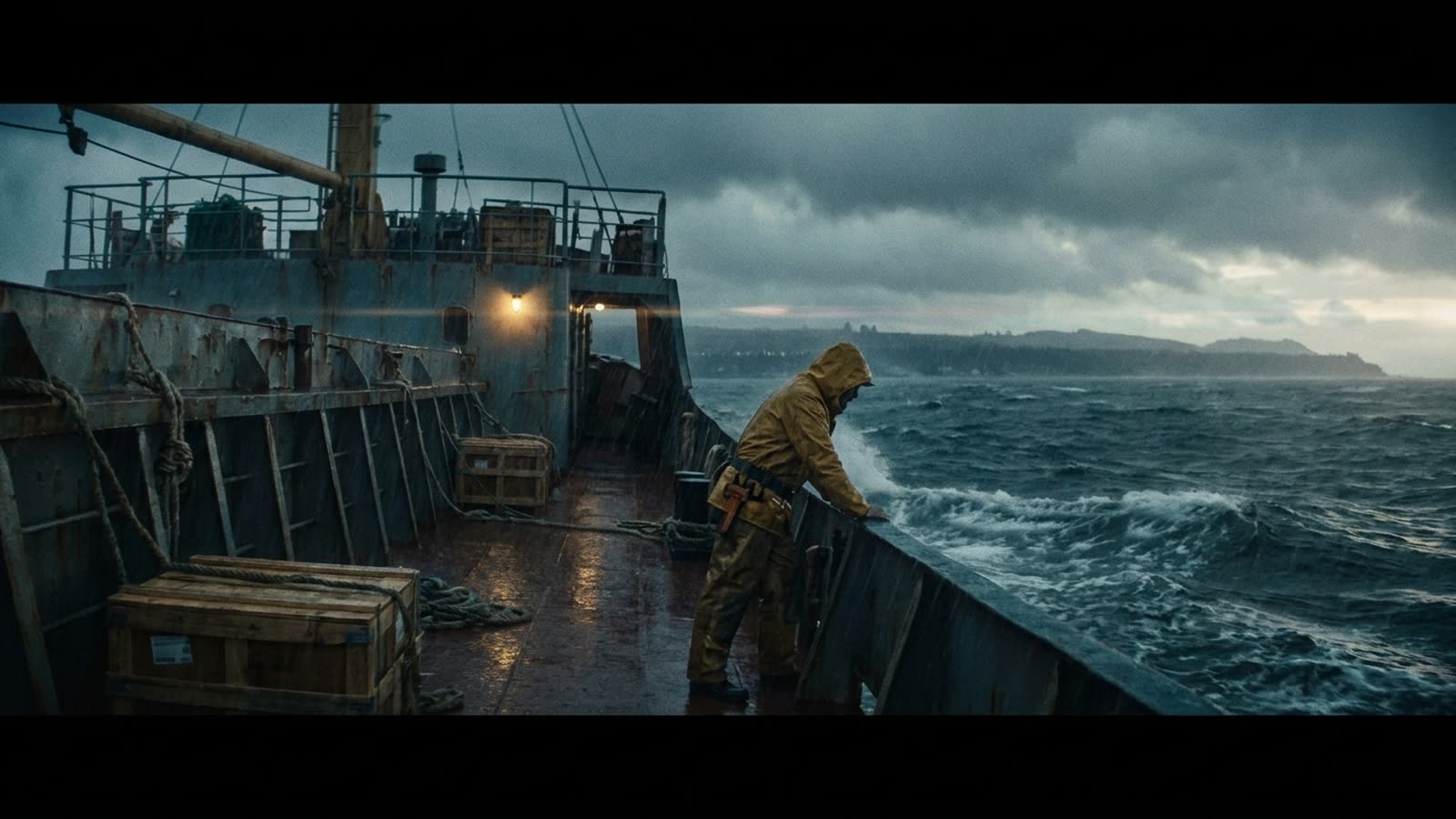
The grim arithmetic of maritime commerce has shifted. According to shipping industry data, more commercial sailors have died in the Black Sea over the past eighteen months than in the Persian Gulf—long considered the planet's most perilous chokepoint for merchant vessels. The Russia-Ukraine conflict, now grinding through its fifth year, has transformed a waterway that once moved a quarter of global wheat exports into a floating graveyard where cargo ships dodge mines, drones, and missiles.
This is not merely a tragedy for seafarers and their families. It is a structural shock to the plumbing of global food security.
The toll on trade
Ukraine's grain corridor, painstakingly negotiated and repeatedly suspended, was always a fragile arrangement. But the escalation of attacks on civilian vessels—whether by Russian forces targeting Ukrainian exports or by Ukrainian drones striking Russian-flagged ships—has introduced a new variable: crew availability. Shipping companies report increasing difficulty recruiting sailors willing to transit the region, even at hazard-pay premiums that have tripled since 2024. Insurance costs for Black Sea voyages have risen correspondingly, with war-risk premiums now adding tens of thousands of dollars per transit.
The downstream effects ripple outward. Egypt, the world's largest wheat importer, has diversified suppliers but cannot fully replace Ukrainian grain without paying more. Turkey, which brokers much of the corridor diplomacy, finds its leverage diminished as both belligerents grow more reckless. And shipping conglomerates are quietly rerouting capacity toward safer, longer routes—raising freight costs that ultimately land on consumers from Cairo to Caracas.
A new hierarchy of risk
For decades, the Strait of Hormuz and the Gulf of Aden dominated maritime security discussions. Tanker wars, Houthi missiles, Iranian speedboats—these were the threats that kept Lloyd's underwriters awake. The Black Sea was, by comparison, a backwater: contested politically, yes, but navigable commercially.
No longer. The combination of sea mines—many of them drifting loose from their original moorings—and deliberate strikes on merchant vessels has created a threat environment that the Gulf, for all its tensions, does not currently match. The International Maritime Organization has issued repeated warnings, but enforcement mechanisms remain toothless. Flag-of-convenience registries, which dominate global shipping, have little incentive to restrict access to a profitable route, even a deadly one.
Our take
The Black Sea's transformation from breadbasket corridor to kill zone is one of those slow-motion catastrophes that markets absorb until, suddenly, they cannot. The human cost is already unbearable; the economic cost is still being tallied. What should concern policymakers is the precedent: if commercial shipping can be this effectively weaponized in a regional conflict, the calculus for future wars—over Taiwan, over Arctic routes, over anything—changes materially. The sea lanes that underpin globalisation are not as robust as their beneficiaries assume.