The company formerly known as Bitfarms just posted a $145 million loss, and its executives couldn't be happier about it.
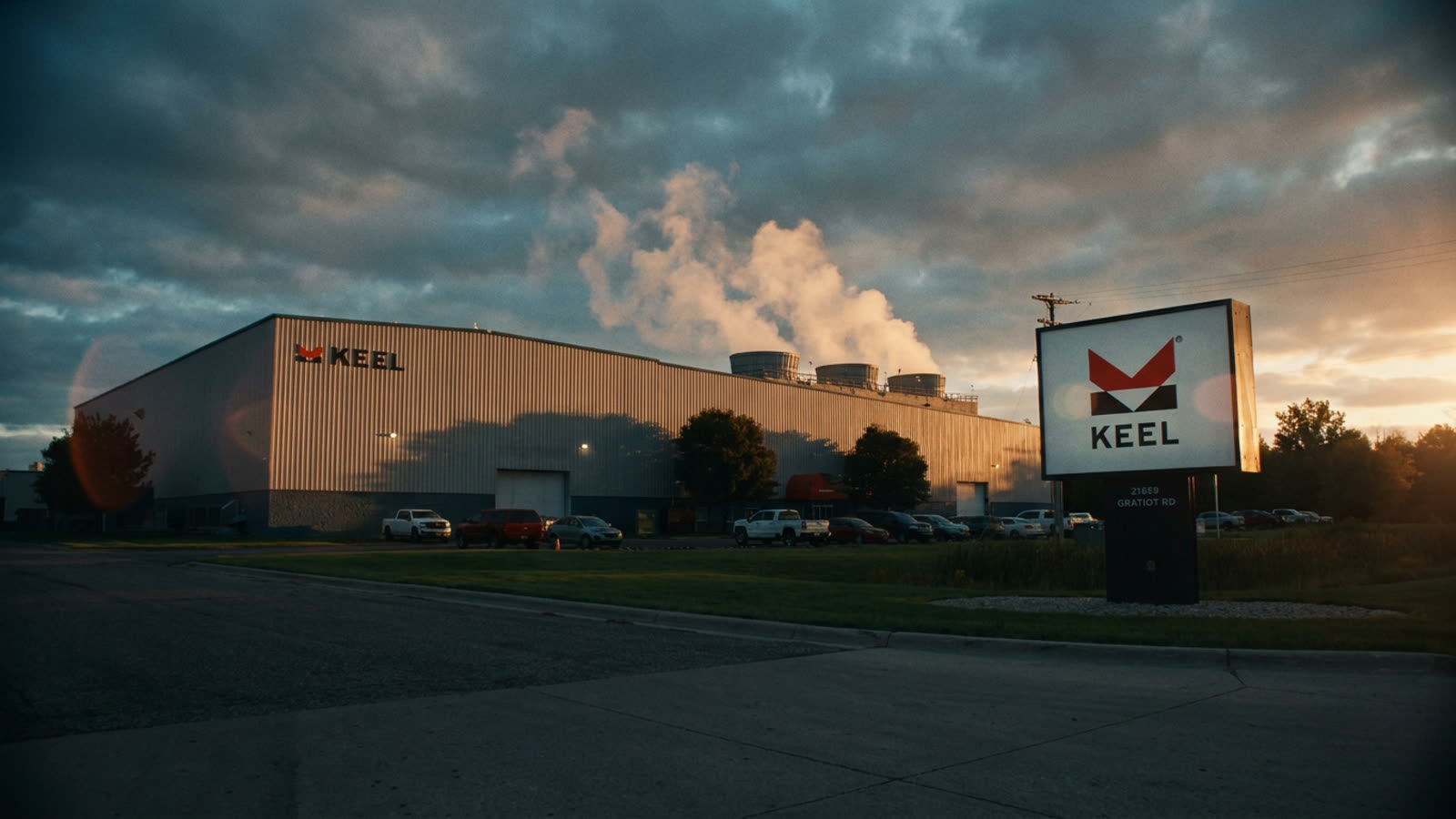
That seeming contradiction sits at the heart of one of crypto's most telling corporate transformations. Bitfarms, once among North America's largest Bitcoin mining operations, has completed its metamorphosis into Keel Infrastructure, an AI-focused data center company. The rebrand isn't cosmetic. It's a confession that the economics of Bitcoin mining have become untenable for publicly traded companies answerable to shareholders who expect returns, not ideological commitment to decentralization.
The math that killed the miner
Bitcoin mining has always been a brutal business of razor-thin margins, but the April 2024 halving—which cut block rewards from 6.25 to 3.125 BTC—turned difficult into impossible for many operators. Energy costs didn't halve. Hardware depreciation didn't halve. Only revenue did. Keel's $145 million loss reflects the cost of unwinding mining positions, writing down specialized ASIC hardware, and retooling facilities for general-purpose GPU computing.
The company now touts a $533 million war chest to fund its AI infrastructure buildout, a figure that would have seemed fantastical for a Bitcoin miner two years ago. But Keel isn't really a crypto company anymore—it's a landlord for compute, and its tenants are AI labs desperate for GPU capacity.
Why AI wants what miners have
Bitcoin miners spent a decade solving a problem that AI companies now face: how to secure massive amounts of cheap electricity, cooling infrastructure, and grid interconnection in locations where neighbors won't complain about the noise and heat. A mining facility in rural Quebec or West Texas already has the bones of an AI training cluster. Swap the ASICs for Nvidia H100s, upgrade the networking, and you're in business.
This isn't unique to Keel. Core Scientific emerged from bankruptcy as an AI hosting company. Hut 8 is pivoting. Marathon Digital is diversifying. The smart money in crypto mining figured out that the picks-and-shovels play isn't mining Bitcoin—it's renting infrastructure to the AI gold rush.
Our take
Keel's transformation is less a betrayal of crypto than an acknowledgment of market reality. Bitcoin's security model depends on mining being profitable enough to attract honest participants, but it doesn't require any particular miner to stay in the game. The network will adjust. What's more interesting is what this exodus reveals about AI's infrastructure hunger. When companies will pay more to train large language models than to secure a trillion-dollar monetary network, you're witnessing a generational shift in where compute value accrues. Bitfarms read the room. The $145 million loss is the price of admission to the next era.