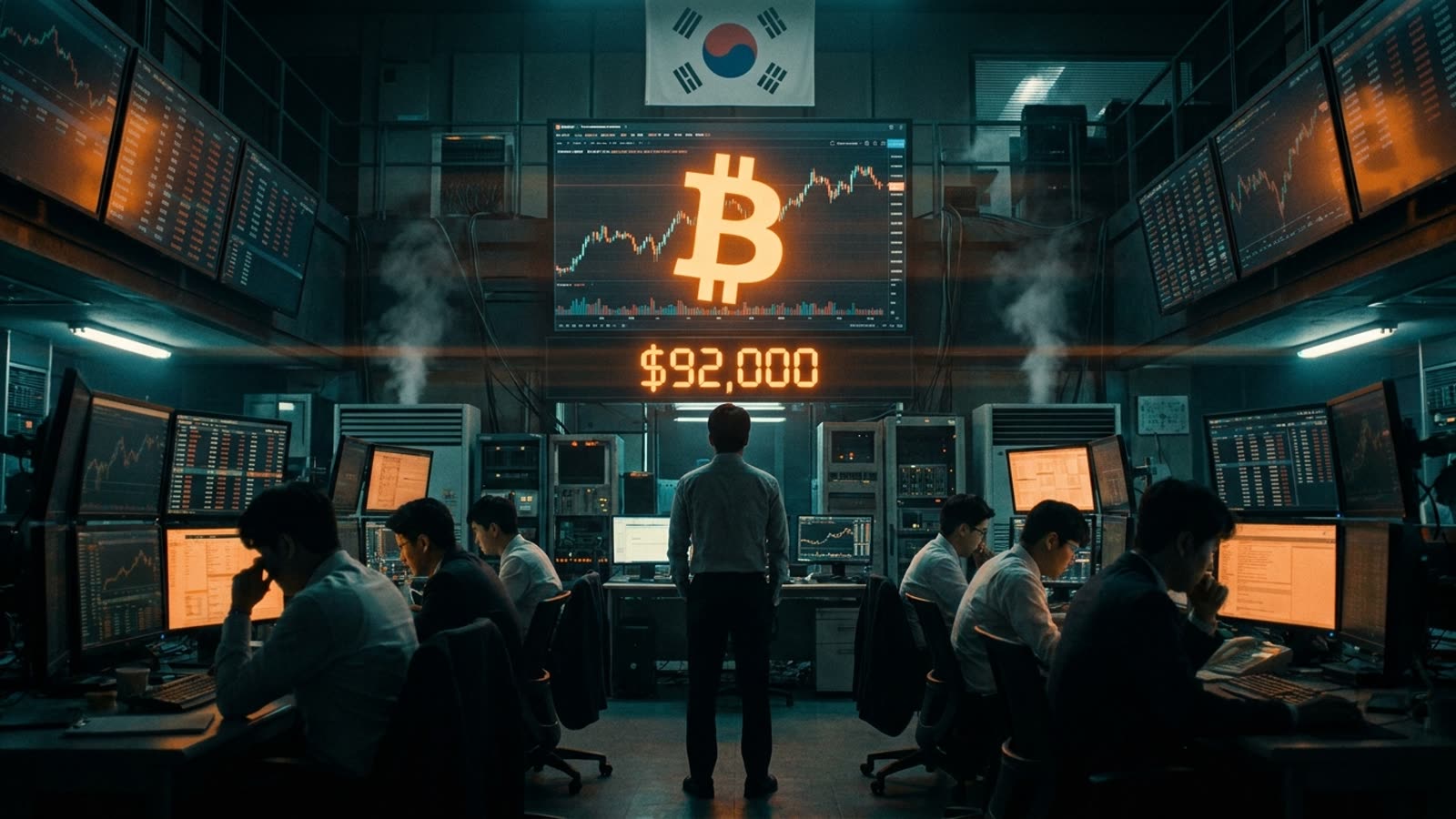
Bitcoin is trending on CoinGecko this weekend, and the most interesting thing about that fact is how unremarkable it has become. The original cryptocurrency, now approaching its eighteenth year of existence, continues to command attention in a way that no competitor has managed to replicate — not through innovation, not through marketing, not through the billions poured into alternative chains.
The spike in search interest arrives during a relatively calm period for crypto markets. No major exchange has collapsed. No regulator has issued a landmark ruling. No celebrity has tweeted something catastrophic. Bitcoin is simply doing what Bitcoin does: existing loudly in the collective consciousness of anyone who has ever thought about money, technology, or the intersection of the two.
The attention economy of crypto
Search trends are a crude but useful proxy for cultural relevance. When Bitcoin trends, it typically signals one of three things: a significant price movement, a macro event that makes people reconsider their relationship with traditional finance, or the simple gravitational pull of an asset that has become a permanent fixture in global discourse.
This weekend appears to fall into the third category. Bitcoin's price has been relatively stable, trading in a range that would have seemed fantastical a decade ago but now registers as background noise. The trending signal suggests something subtler — a steady stream of newcomers discovering the asset, existing holders checking in, and the perpetual churn of curiosity that surrounds anything that has defied predictions of its demise for nearly two decades.
The persistence problem
Crypto's critics have spent years waiting for Bitcoin to be replaced by something better. The list of supposed successors is long and littered with disappointment: faster chains, greener chains, more programmable chains. Yet here we are in 2026, and the asset that launched on a cypherpunk mailing list in 2009 remains the default answer to the question "what is cryptocurrency?"
This persistence is not accidental. Bitcoin's simplicity — it does one thing, and it does it predictably — has proven more durable than the complexity offered by competitors. The network effects of being first, combined with the Lindy effect of surviving multiple cycles of boom and bust, have created a moat that no amount of venture capital has managed to cross.
Our take
Bitcoin trending on a quiet July weekend is the crypto equivalent of the sun rising in the east. It tells us nothing new, and that is precisely the point. The asset has transcended the news cycle. It no longer needs a catalyst to command attention; its mere existence is sufficient. For an industry obsessed with novelty, Bitcoin's quiet dominance is the most subversive thing of all.