The most telling indicator in crypto is often the simplest: when your cousin texts you about Bitcoin. That moment appears to be arriving again, with Bitcoin spiking to the top of CoinGecko's trending charts on what should be a sleepy July weekend. The surge in search interest raises an uncomfortable question for the digital asset class: is retail arriving fashionably late to an institutional party that started without them?
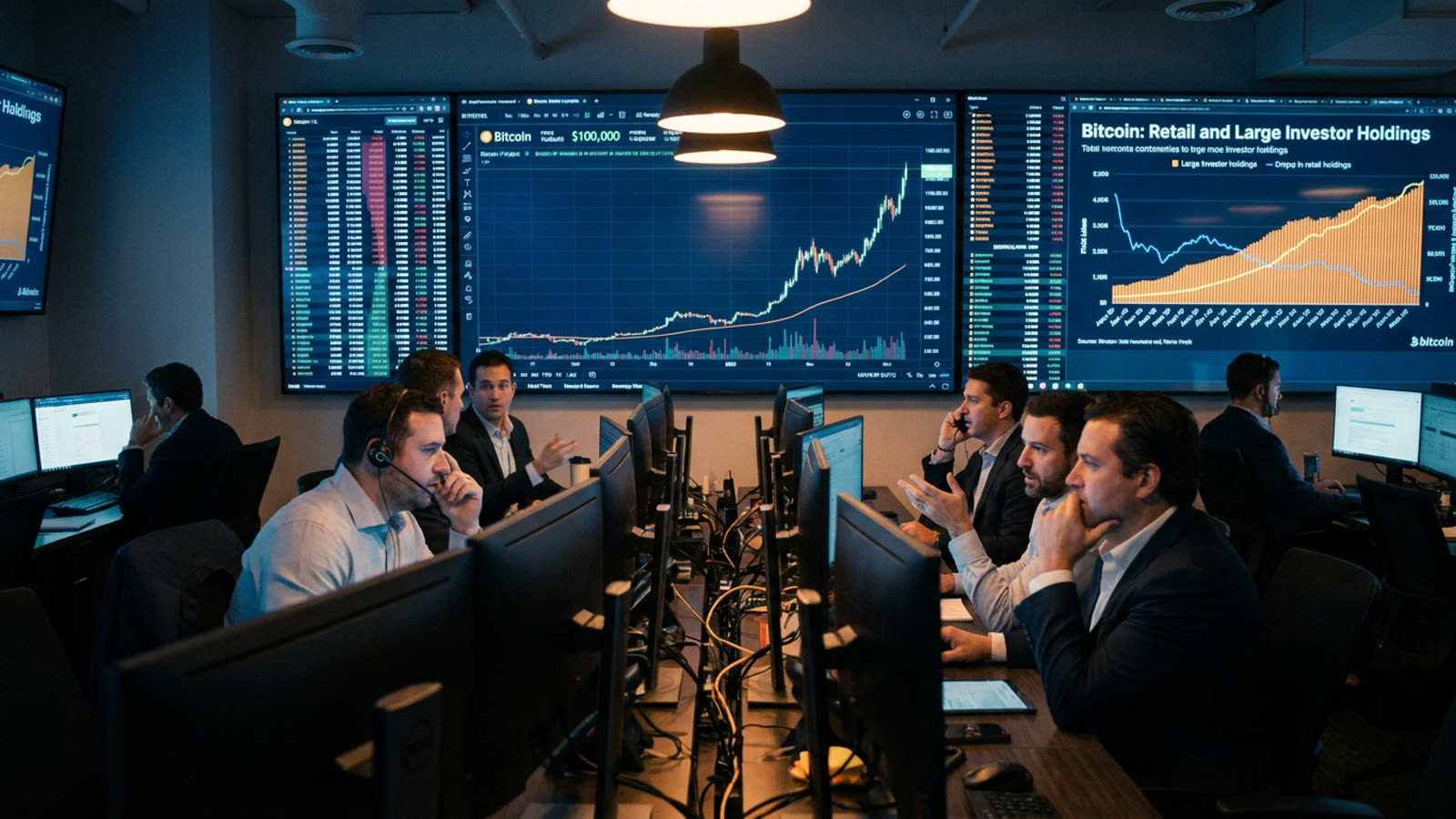
The timing is instructive. Bitcoin has spent much of 2026 consolidating after the post-ETF euphoria of late 2024 and early 2025. The spot ETF approvals that once seemed like a finish line turned out to be a starting gun for a different kind of market — one dominated by BlackRock allocations, corporate treasury strategies, and the quiet accumulation of regulated vehicles. Retail, meanwhile, largely sat out the transformation, burned by the 2022 collapse or simply distracted by the broader economy.
The institutional infrastructure nobody noticed
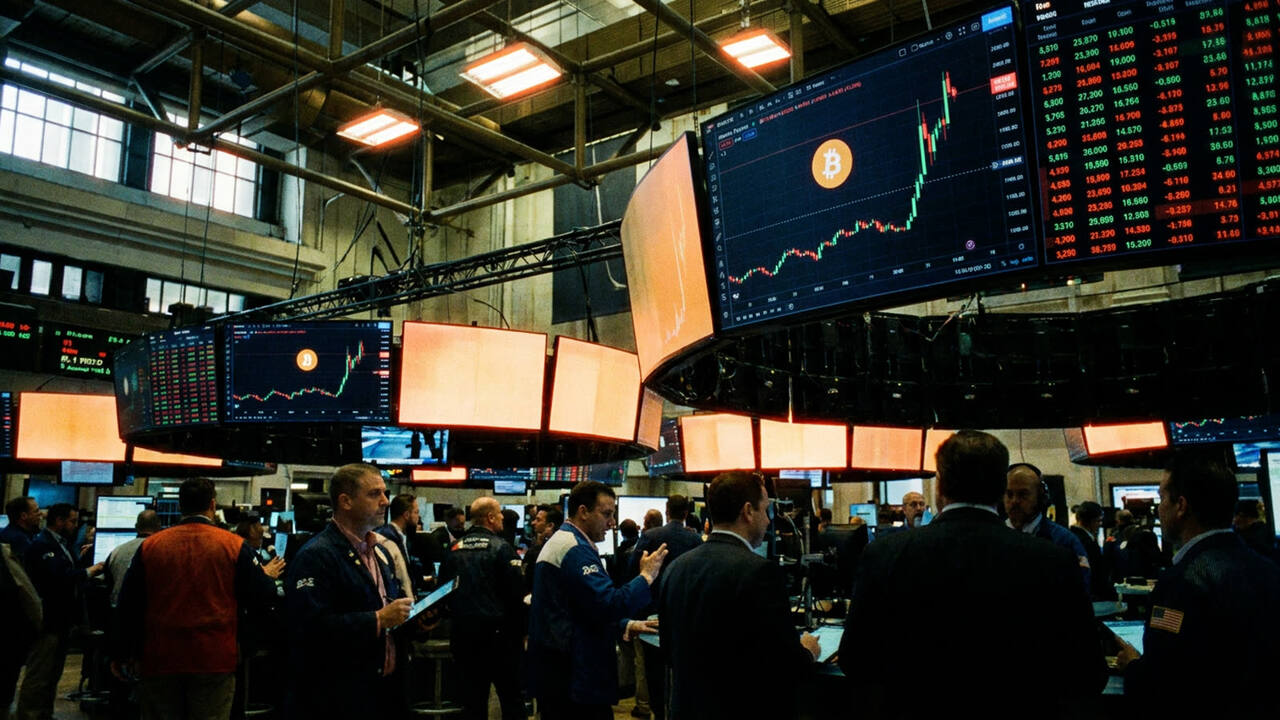
What the trending spike reveals is a gap between perception and reality. While retail attention wandered, the plumbing of the crypto market underwent radical reconstruction. Custody solutions matured. Compliance frameworks solidified. The same banks that once dismissed Bitcoin as a fad now offer exposure through wealth management platforms. The market that retail remembers — chaotic, exchange-driven, prone to weekend flash crashes — has been substantially replaced by something more institutional and, frankly, more boring.
This creates an awkward dynamic. Retail investors searching for Bitcoin today will find a market that looks familiar on the surface but operates by different rules underneath. The volatility that once created life-changing gains (and losses) has been dampened by the sheer weight of institutional capital. The exchanges that once set prices now compete with ETF flows and over-the-counter desks.
What a trending spike actually signals
CoinGecko's trending metric captures search behavior, not capital flows. It tells us that people are curious, not that they are buying. The distinction matters because crypto has a long history of retail interest peaking at precisely the wrong moments — the final leg of a rally, the brief bounce before a deeper correction. Whether this particular spike represents smart money's early warning system or the classic sign of a local top remains unknowable in real time.
What we can observe is the context. Summer weekends typically see depressed volumes and muted attention. A trending spike during this period suggests something cut through the noise — perhaps price action, perhaps a viral social media moment, perhaps simple boredom driving speculative curiosity. The cause matters less than the pattern: retail attention, once captured, tends to build on itself.
Our take
The return of retail curiosity to Bitcoin is neither bullish nor bearish in itself. What it signals is the potential closing of a gap that has defined this market cycle — the disconnect between institutional adoption and public awareness. If retail capital follows retail attention, the market will have to absorb a new cohort of participants who may not fully understand how much the game has changed. That adjustment, whenever it comes, will be worth watching.