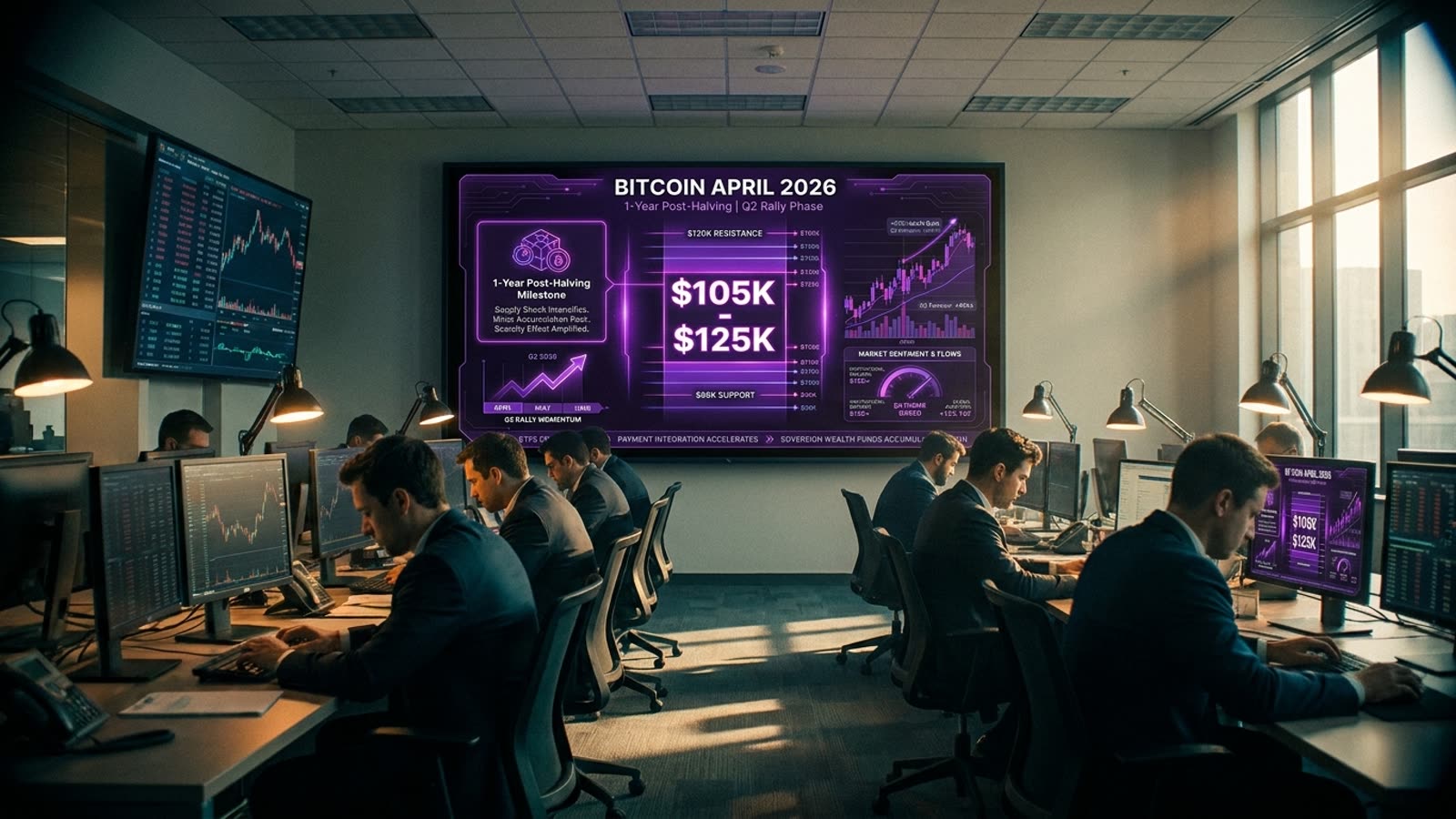
The quarter that was supposed to vindicate Bitcoin's post-halving thesis is ending with a whimper. As June 30 closes the books on Q2 2026, Bitcoin hovers stubbornly around $60,000 — marking its second consecutive quarterly decline and raising uncomfortable questions about whether the asset class has finally exhausted its supply of compelling narratives.
This wasn't the plan. The April 2024 halving was supposed to catalyze another parabolic run within eighteen months, following the playbook of 2012, 2016, and 2020. Instead, Bitcoin finds itself trapped in a range that would have seemed miraculous in 2020 but now feels like purgatory. The HODLers who once evangelized with missionary zeal have grown conspicuously muted.
The narrative problem
Bitcoin has always been a story-driven asset. Digital gold. Inflation hedge. Institutional adoption vehicle. Store of value for the unbanked. Each cycle brought fresh converts armed with fresh justifications. But the current malaise suggests something different: not a crash, not a capitulation, just a slow deflation of enthusiasm.
The macro environment hasn't helped. With the Federal Reserve maintaining elevated rates and traditional markets rallying, the opportunity cost of holding a non-yielding asset has become harder to ignore. Meanwhile, the spot ETF approval — once positioned as the ultimate catalyst — has come and gone, absorbed by the market without producing the sustained bid that true believers anticipated.
What the technicals say
Two consecutive quarterly losses haven't happened since the brutal 2022 drawdown that followed the Terra-Luna collapse and FTX implosion. But this time the context differs. There's no contagion event, no leverage unwind, no exchange insolvency dominating headlines. Instead, there's something arguably more troubling for bulls: indifference. Trading volumes have declined. Volatility has compressed. The asset that once moved markets with a single Elon Musk tweet now barely registers when traditional finance executives issue warnings about crypto's structural risks.
The $60,000 level has become both support and psychological ceiling — a price that's high enough to prevent panic selling but not compelling enough to attract fresh capital at scale.
Our take
Bitcoin's greatest vulnerability was never regulatory crackdowns or technological obsolescence — it was the possibility that the world would simply stop finding it interesting. Two flat-to-down quarters don't constitute a death knell, but they do suggest that the asset has matured into something its earliest advocates might not recognize: a modestly volatile store of value that tracks risk sentiment without offering the asymmetric upside that justified its volatility. The true believers will call this accumulation. The skeptics will call it the beginning of irrelevance. The honest answer is that nobody knows — and increasingly, fewer people seem to care.