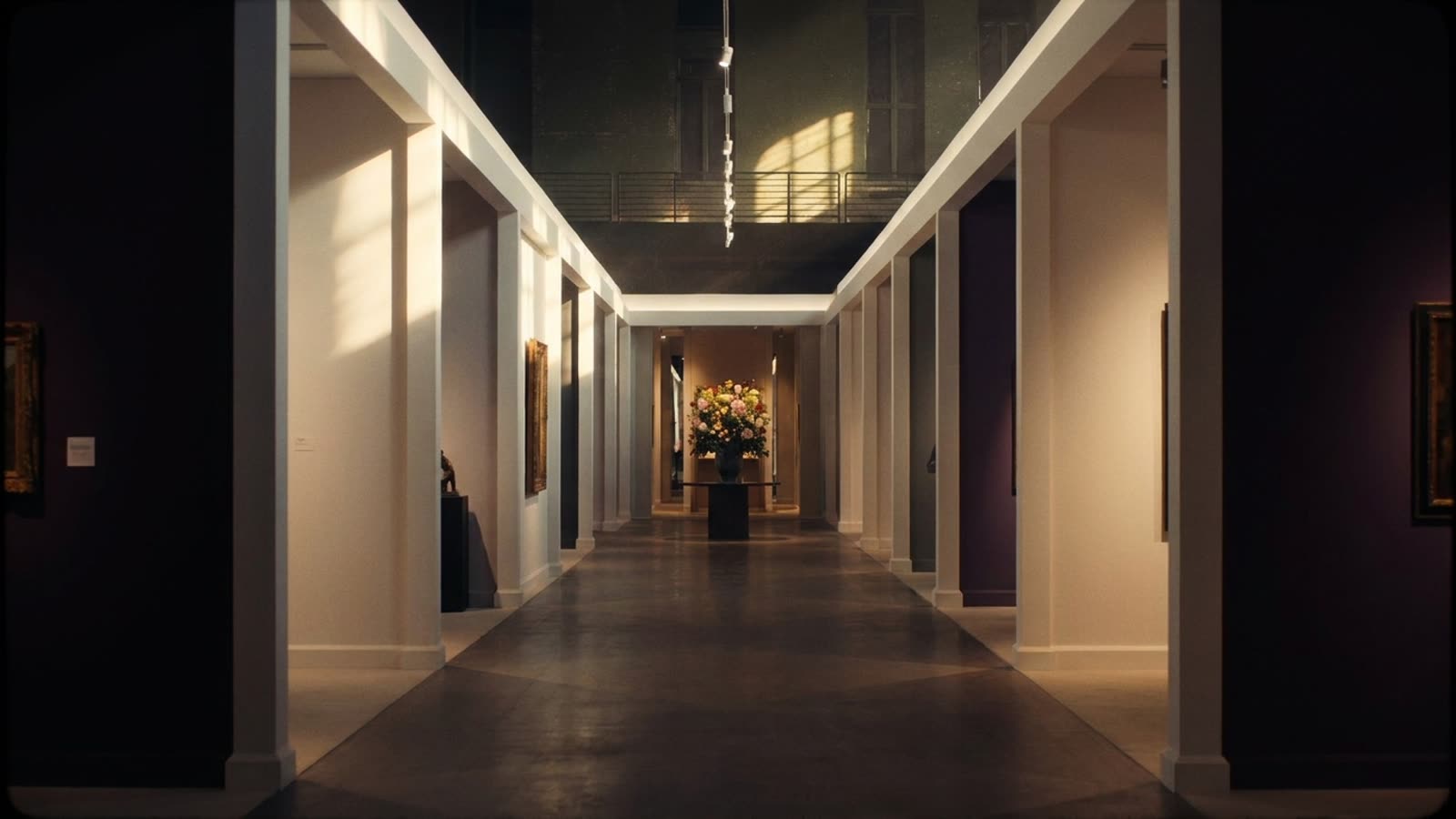
The European Fine Art Foundation's Manhattan fair has evolved into something far more revealing than a mere art market: it's become a real-time barometer of extreme wealth concentration and its cultural consequences. When dealers describe the event as "billionaire Supermarket Sweep," they're not being entirely metaphorical.
The new gilded age
The numbers tell a stark story. Art sales at the ultra-high end have surged 340% since 2020, even as middle-market galleries shutter at record rates. Last year's fair saw $2.3 billion in transactions over four days, with the average purchase exceeding $8 million. This isn't just about expensive taste—it's about art becoming an asset class for a shrinking pool of buyers with expanding fortunes.
The champagne-and-oysters atmosphere masks a fundamental shift in how culture circulates. Museums increasingly rely on these collectors for loans and donations, effectively outsourcing curatorial decisions to private wealth. Major works disappear into freeports and private collections, accessible only through the grace of their owners.
Beyond the velvet rope
The fair's economic ripple effects extend well beyond Park Avenue. Dealers report that 78% of their annual revenue now comes from collectors worth over $100 million, up from 31% a decade ago. This dependency has reshaped the entire art ecosystem: galleries pivot toward blue-chip names, emerging artists struggle without wealthy patrons, and entire artistic movements live or die based on billionaire whims.
The concentration shows up in surprising ways. Shipping companies have created specialized "art logistics" divisions. Insurance firms now offer policies specifically for collections worth over $500 million. Even conservation programs at major universities have reoriented their curricula toward the needs of private collectors.
Our take
The European Fine Art Foundation's Manhattan spectacle perfectly captures our economic moment: unprecedented wealth concentration meeting cultural gatekeeping. While billionaires playing aesthete is nothing new, the scale and systematization of this market represents something different. When cultural patrimony flows primarily through private hands, we're not just witnessing expensive shopping—we're watching the privatization of cultural memory itself. The question isn't whether this is sustainable, but what happens to art's public function when its primary purpose becomes storing value for the ultra-wealthy.