For a decade, the defining characteristic of Big Tech was its effortless cash generation. Apple, Microsoft, Google, Amazon, and Meta built businesses that required relatively little physical infrastructure while throwing off rivers of free cash flow. That era is over.
The five largest American technology companies collectively spent approximately $725 billion on capital expenditures and AI-related investments in the past fiscal year, according to Financial Times analysis. The result: aggregate free cash flow as a percentage of revenue has fallen to its lowest level since 2014, when most of these companies were still building out their first-generation cloud infrastructure.
The infrastructure pivot
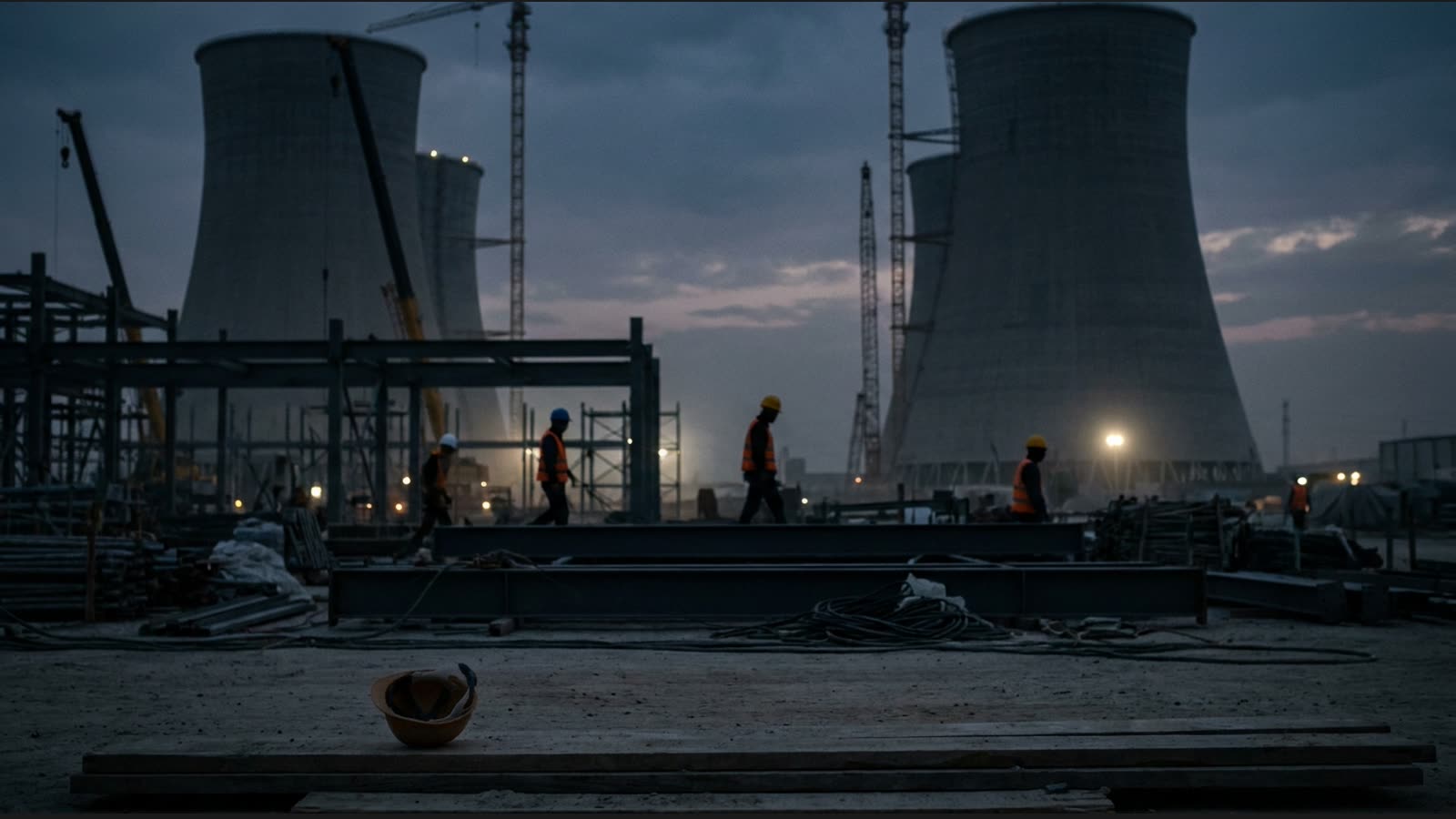
The shift is structural, not cyclical. These companies are no longer primarily software businesses that happen to own some data centers. They are becoming vertically integrated industrial conglomerates that design their own chips, build their own power generation, and operate their own fiber networks. Microsoft is investing in nuclear power. Amazon is building custom AI semiconductors. Google is constructing subsea cables. Meta is reportedly exploring geothermal energy for its next generation of data centers.
The capital intensity rivals that of traditional utilities and telecommunications companies—sectors that trade at far lower multiples precisely because their growth requires proportional infrastructure investment. Yet Big Tech continues to command premium valuations based on the assumption that AI will eventually generate returns commensurate with the spending.
The faith-based accounting problem
Investors are being asked to accept a novel proposition: that companies spending at industrial scale will eventually achieve software-like margins on their AI products. The evidence for this remains thin. Enterprise AI adoption is proceeding more slowly than the hype suggested. Consumer AI products, while popular, have not yet demonstrated the kind of pricing power that would justify the infrastructure buildout. And the competitive dynamics of AI—with multiple well-funded players racing to commoditize each other's advances—suggest that margins may compress rather than expand.
The bulls argue that AI will unlock entirely new revenue streams: autonomous agents handling complex business processes, AI-generated content replacing human creative work, scientific breakthroughs accelerating drug discovery. Perhaps. But these remain speculative, while the capital expenditures are very real and very present.
Our take
The market is pricing Big Tech as if the AI spending will pay off magnificently, while the cash flow statements suggest these companies have transformed into something their valuations do not reflect. Either the spending works spectacularly and justifies the current multiples, or it does not, and we are witnessing the largest misallocation of capital in corporate history. There is not much room for a middle outcome. The next two years will determine whether Silicon Valley's giants remain the world's most valuable companies or become cautionary tales about the dangers of believing your own narrative.