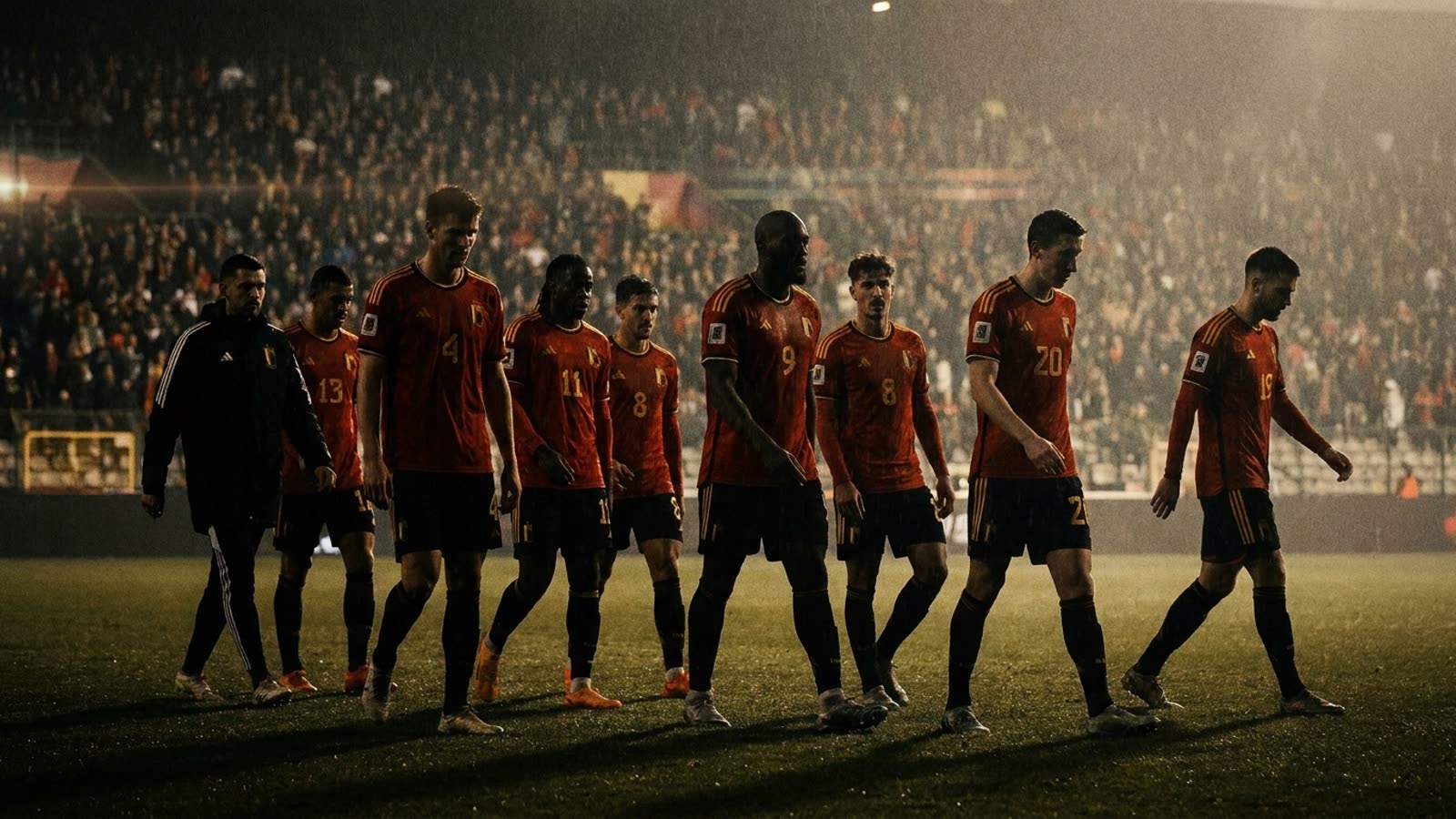
The World Cup group stage exists to produce exactly this kind of chaos—two nations with wildly different footballing pedigrees trading blows until neither can land a decisive punch, leaving everything unresolved and everyone satisfied except the gamblers.
Belgium and Egypt fought to a 2-2 draw that felt simultaneously inevitable and improbable, a match that swung on moments of individual brilliance and collective fragility. For Belgium, the golden generation's twilight continues to flicker rather than blaze. For Egypt, the result represents validation that their post-Salah evolution has genuine substance.
The tactical chess match
Belgium's approach reflected a squad caught between eras. The technical quality remains evident—the passing lanes, the positional intelligence, the muscle memory of a decade spent among Europe's elite. But the legs that once executed those ideas with ruthless efficiency now require more careful management. Egypt exploited the spaces that opened when Belgian pressing lost its bite, transitioning with a directness that troubled a defense showing its age.
The Pharaohs, for their part, demonstrated the organizational discipline that has become their calling card under the current setup. They absorbed pressure without panicking, trusted their structure, and struck when opportunities materialized. The result feels like a fair reflection of where both programs currently stand: Belgium still dangerous but diminished, Egypt ascending but not yet arrived.
Group F implications
The draw leaves Group F deliciously balanced. Neither side can afford another slip, which virtually guarantees two more matches played with knockout-round intensity. For neutral observers, this is the ideal outcome—competitive tension sustained through the final matchday, with permutations that reward actually watching rather than checking tables.
Belgium's path now requires a result against opponents who will have seen exactly how to trouble them. Egypt must replicate this performance's best moments while eliminating the defensive lapses that allowed Belgium back into the contest. Neither task is simple, which is precisely the point.
Our take
Group stages are often dismissed as preamble, the administrative work before the tournament proper begins. Matches like Belgium-Egypt remind us why that framing misses the point. The stakes are lower but the drama is often higher—nations still believe anything is possible, tactical caution hasn't yet calcified into knockout-round conservatism, and a single draw can reshape an entire competitive landscape. This World Cup continues to understand the assignment.