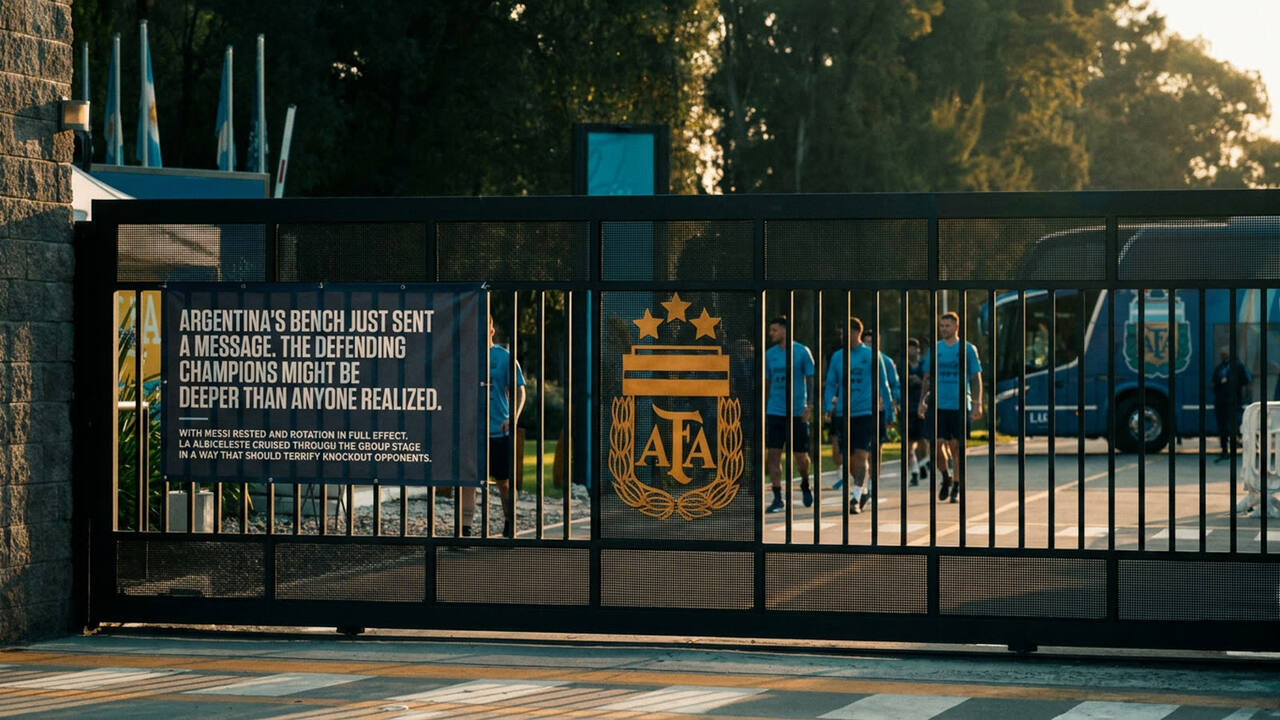
The most ominous development of the World Cup group stage wasn't a goal or a tactical innovation. It was an absence. Lionel Messi sat on Argentina's bench for stretches of their final group match, and his team didn't miss a beat.
This is new. For two decades, Argentina without Messi operating at full capacity meant Argentina in crisis mode—frantic, disorganized, waiting for their savior to conjure something from nothing. The 2022 World Cup triumph changed the psychological equation, but questions lingered about whether the supporting cast could carry weight when the maestro needed rest. Now we have an answer, and it's the one Argentina's rivals least wanted to hear.
The luxury of options
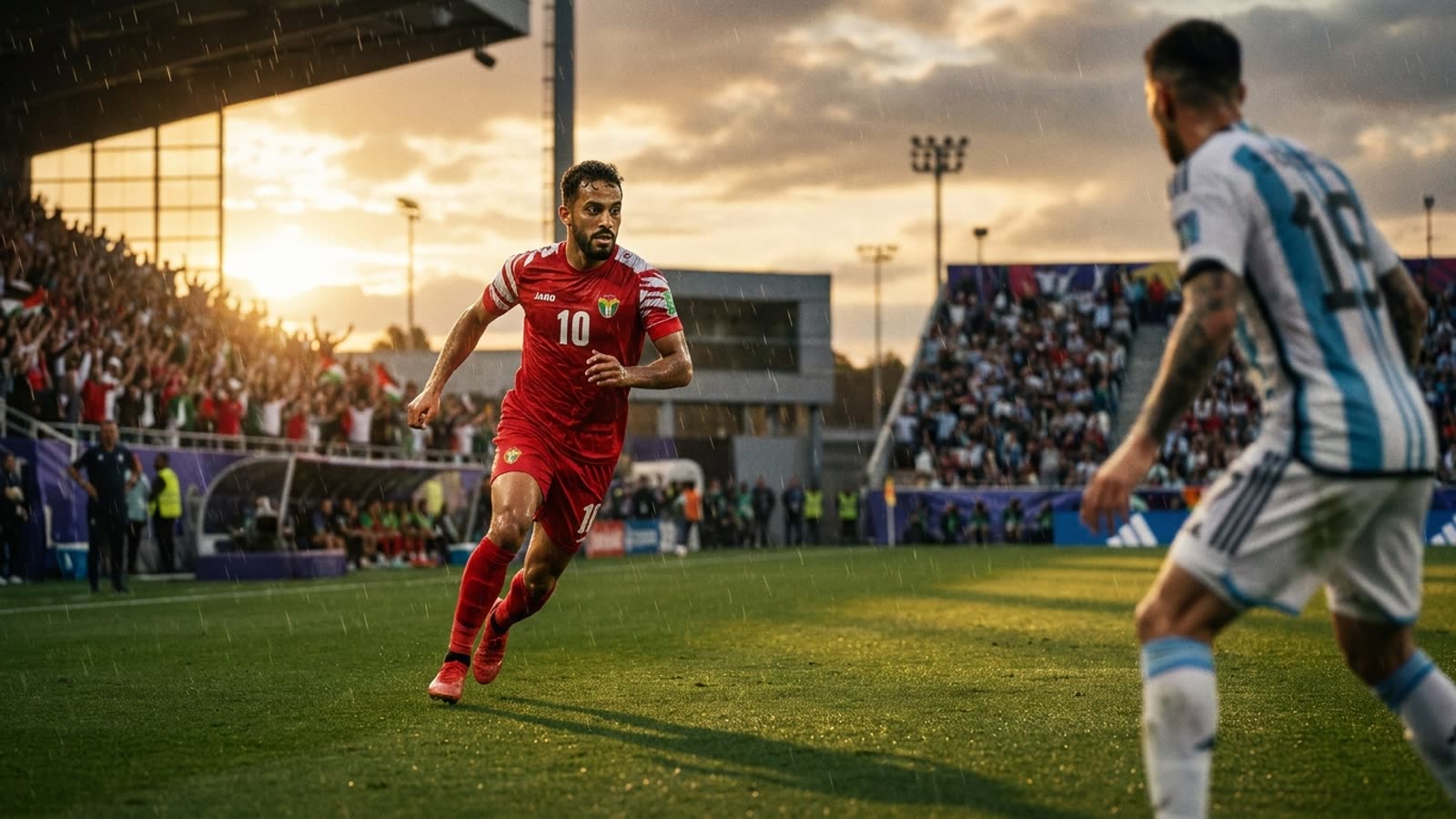
Lionel Scaloni has built something his predecessors never managed: genuine squad depth that doesn't represent a dramatic drop-off from the first eleven. The midfield options allow tactical flexibility without sacrificing quality. The attacking alternatives provide different profiles rather than mere substitutes. When Messi entered as a substitute against Jordan, he still managed to find the net—a reminder that even a rested Messi remains decisive—but the framework was already functioning.
This depth wasn't accidental. Scaloni has methodically integrated younger players into a system where the principles matter more than any individual. The pressing triggers, the positional rotations, the understanding of when to accelerate and when to control tempo—these survive personnel changes in a way Argentine teams historically couldn't manage.
What the knockouts demand
Tournament football punishes shallow squads. Injuries accumulate. Suspensions strike at inconvenient moments. The physical demands of playing every three or four days expose teams that rely too heavily on the same eleven bodies. Argentina's group stage rotation wasn't just about keeping Messi fresh; it was about ensuring that whoever Scaloni calls upon in the quarterfinals or semifinals has meaningful minutes in their legs and confidence in their role.
The contrast with other contenders is notable. Several elite teams have looked vulnerable when forced to deviate from their preferred starting lineups. Argentina looked like Argentina regardless of who started.
Our take
Messi will turn 39 during this tournament. Everyone knows this is almost certainly his final World Cup, and the temptation to lean on him for every minute of every match must be immense. That Scaloni resisted—and that the team responded by playing with the same identity and purpose—suggests Argentina has evolved beyond being a one-man dependency. They remain Messi's team, but they're no longer only Messi's team. For opponents hoping fatigue or injury might level the playing field in the knockout rounds, that's the worst possible news.