The Republican Party has a style problem, and Anna Paulina Luna appears to be its solution.
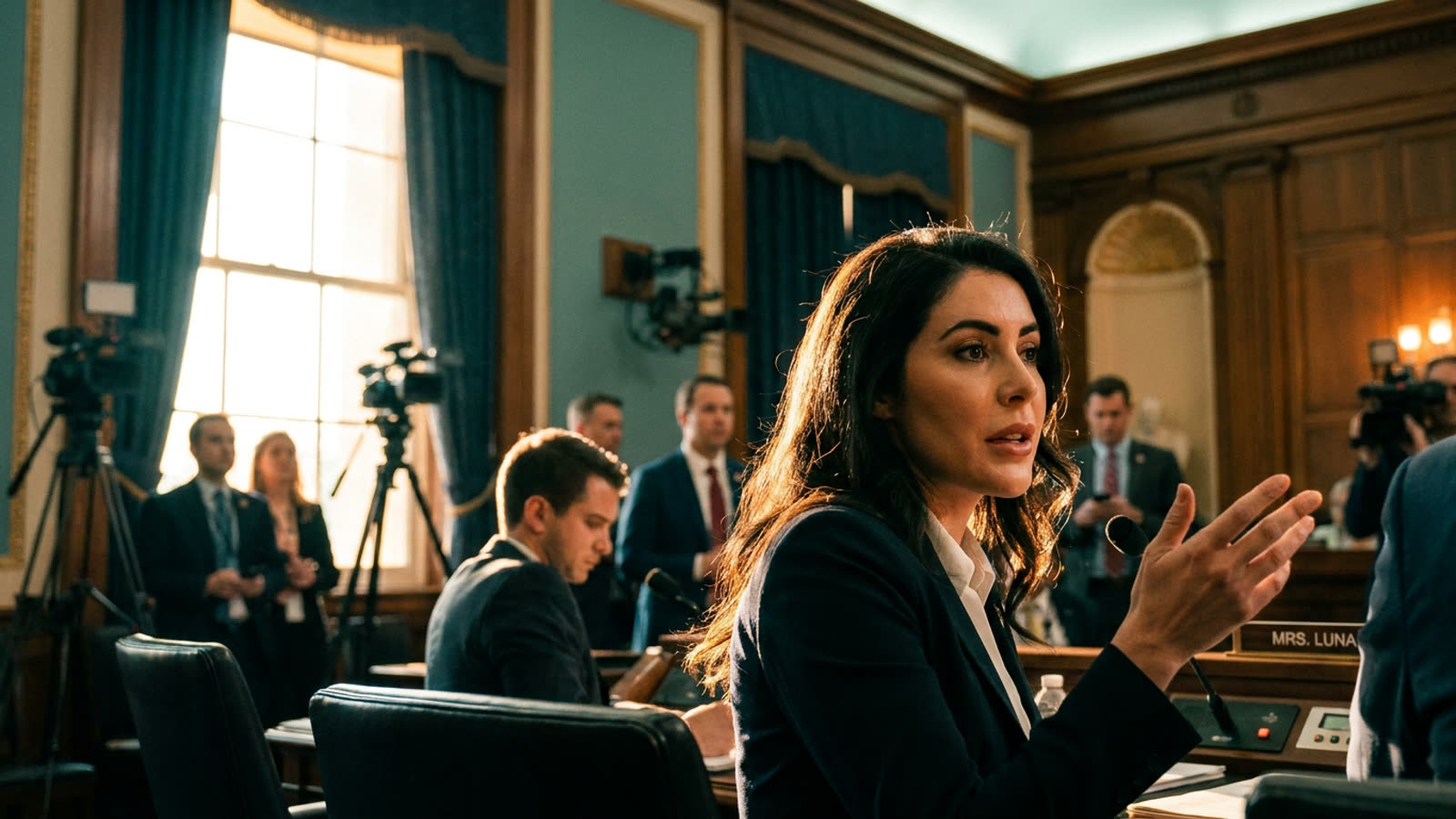
The Florida congresswoman, now in her second term representing the state's 13th district, has emerged as something genuinely novel in conservative politics: a young Latina woman who treats visual presentation as a political tool rather than a liability. In a party where female members have historically dressed in variations of the same navy blazer—safe, forgettable, determinedly un-flashy—Luna arrives in bodycon silhouettes, statement jewelry, and the kind of deliberate glamour usually reserved for cable news anchors.
The aesthetic calculation
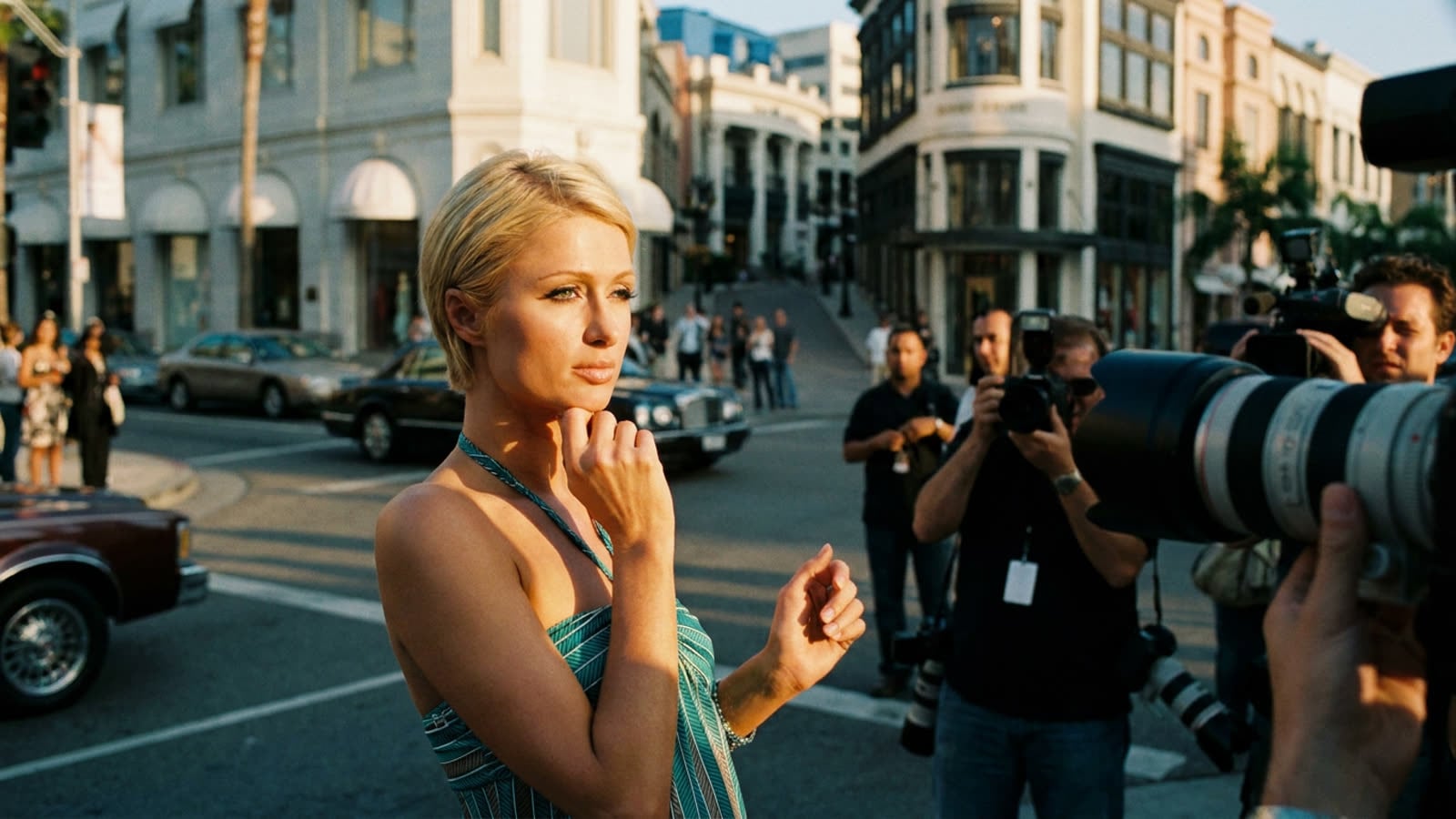
This is not accidental. Luna, who worked as a model before entering politics, understands that in the age of TikTok and Instagram Reels, the thirty-second clip matters more than the thirty-minute floor speech. Her appearances generate engagement precisely because they break the visual monotony of C-SPAN. The contrast between her presentation and that of her colleagues isn't just noticeable—it's the point.
The strategy mirrors what Alexandria Ocasio-Cortez achieved on the left: the recognition that looking memorable is itself a form of political communication. But where AOC's aesthetic reads as Brooklyn-progressive-chic (red lipstick, hoop earrings, the occasional designer loan for a Met Gala), Luna's visual language speaks to a different constituency entirely. Her look is aspirational in a specifically conservative-influencer register—polished, feminine, unapologetically high-maintenance.
Why the party needs her
The GOP's challenge with younger voters and women is well-documented. Luna offers something the party desperately lacks: a face that doesn't look like it emerged from a 1987 Chamber of Commerce dinner. At 36, she's young enough to seem contemporary but old enough to be taken seriously. Her background—Air Force veteran, daughter of a Mexican immigrant father—provides biographical texture that complicates easy Democratic narratives about Republican demographics.
Whether her policy positions will age well is another question. Luna has aligned herself firmly with the party's populist wing, embracing election skepticism and culture-war positioning with enthusiasm. But in the attention economy of modern politics, visibility precedes ideology. You have to be seen before you can be heard.
Our take
Luna's rise tells us less about the future of conservatism than about the future of political celebrity. She has correctly identified that in a fragmented media landscape, aesthetic distinctiveness is a competitive advantage. The substance can follow—or not. What matters first is that people stop scrolling. The Republican Party, for all its stated resistance to celebrity culture, keeps elevating figures who understand this instinctively. Luna is simply the latest, and perhaps the most visually sophisticated, example of a party learning to speak a language it claims to despise.