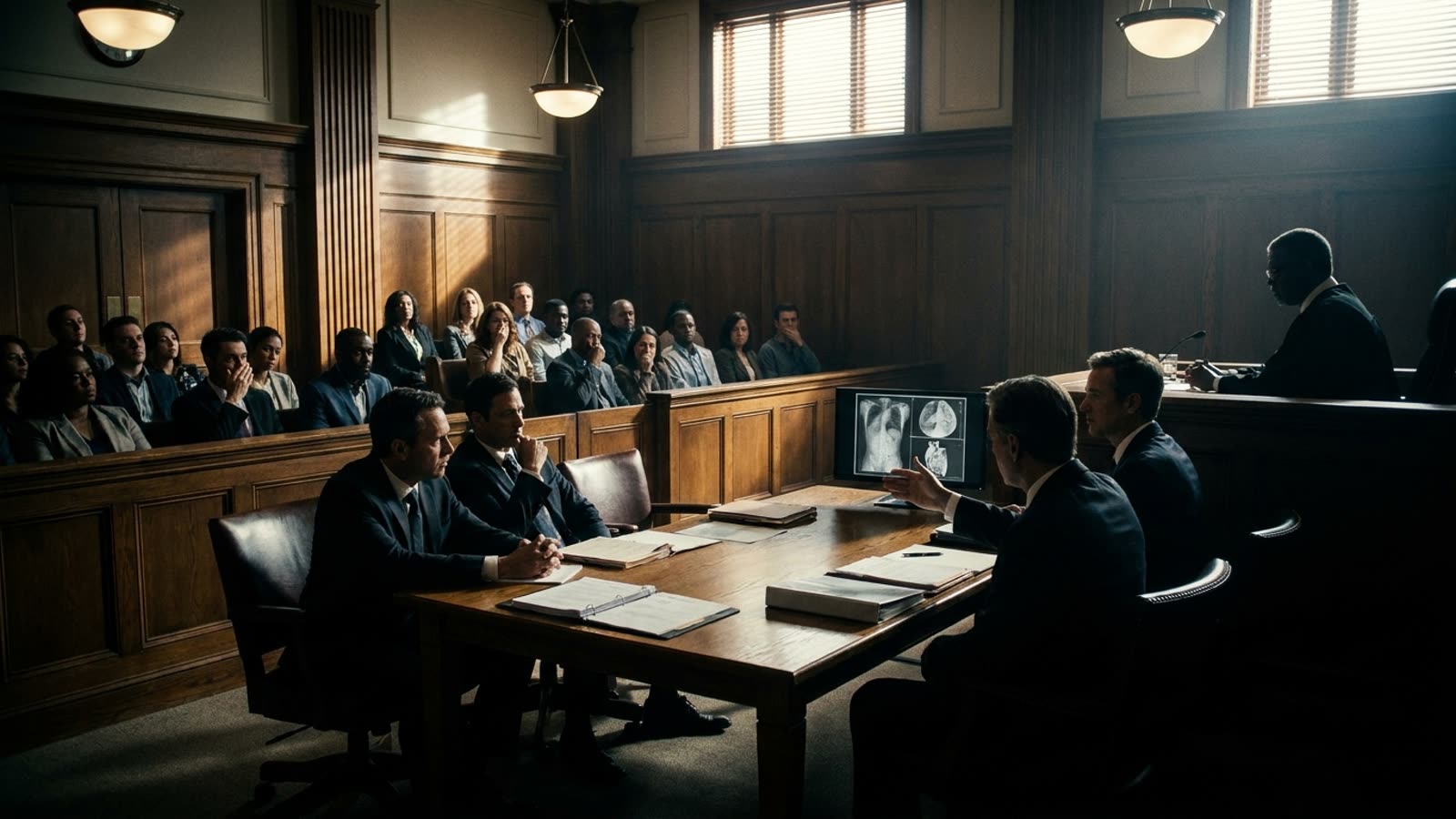
The murder trial of Anna Kepner's alleged killer has taken a darker turn, with prosecutors filing documents that describe the final moments of her death as "barbaric" — a deliberate rhetorical escalation designed to cement the gravity of the charges in jurors' minds before they deliberate.
The choice of language is not accidental. In high-profile murder cases, prosecutors often face a strategic dilemma: present clinical forensic evidence that proves the crime but risks emotional detachment, or paint a visceral picture that ensures the jury feels the weight of what happened. The Kepner prosecution has clearly chosen the latter path.
The rhetorical gambit
Calling an act "barbaric" in official court filings does more than describe — it frames. Defense attorneys will almost certainly object to such characterizations as prejudicial, arguing that prosecutors are attempting to inflame rather than inform. But the word is already in the public record, already in headlines, already shaping how potential jurors who follow the news will understand the case.
This is prosecutorial theater at its most calculated. The documents reportedly detail the sequence of events leading to Kepner's death with an emphasis on suffering, a narrative choice that transforms a legal proceeding into something closer to a moral indictment.
The defense's narrow path
For the accused, the challenge now extends beyond establishing reasonable doubt about the facts. The defense must somehow neutralize the emotional temperature of the courtroom — no small task when the prosecution has successfully branded their client's alleged actions with a word that evokes medieval cruelty.
Expect motions to strike inflammatory language, requests for jury instructions emphasizing dispassionate evaluation of evidence, and possibly a change of venue motion if pretrial publicity continues at this intensity.
Our take
Prosecutors are paid to secure convictions, and using emotionally charged language is neither illegal nor unprecedented. But there is something worth noting when the state deploys words like "barbaric" before a verdict: it suggests confidence in the evidence, yes, but also an awareness that evidence alone may not be enough. The Kepner case will test whether American juries can distinguish between a compelling narrative and a proven one.