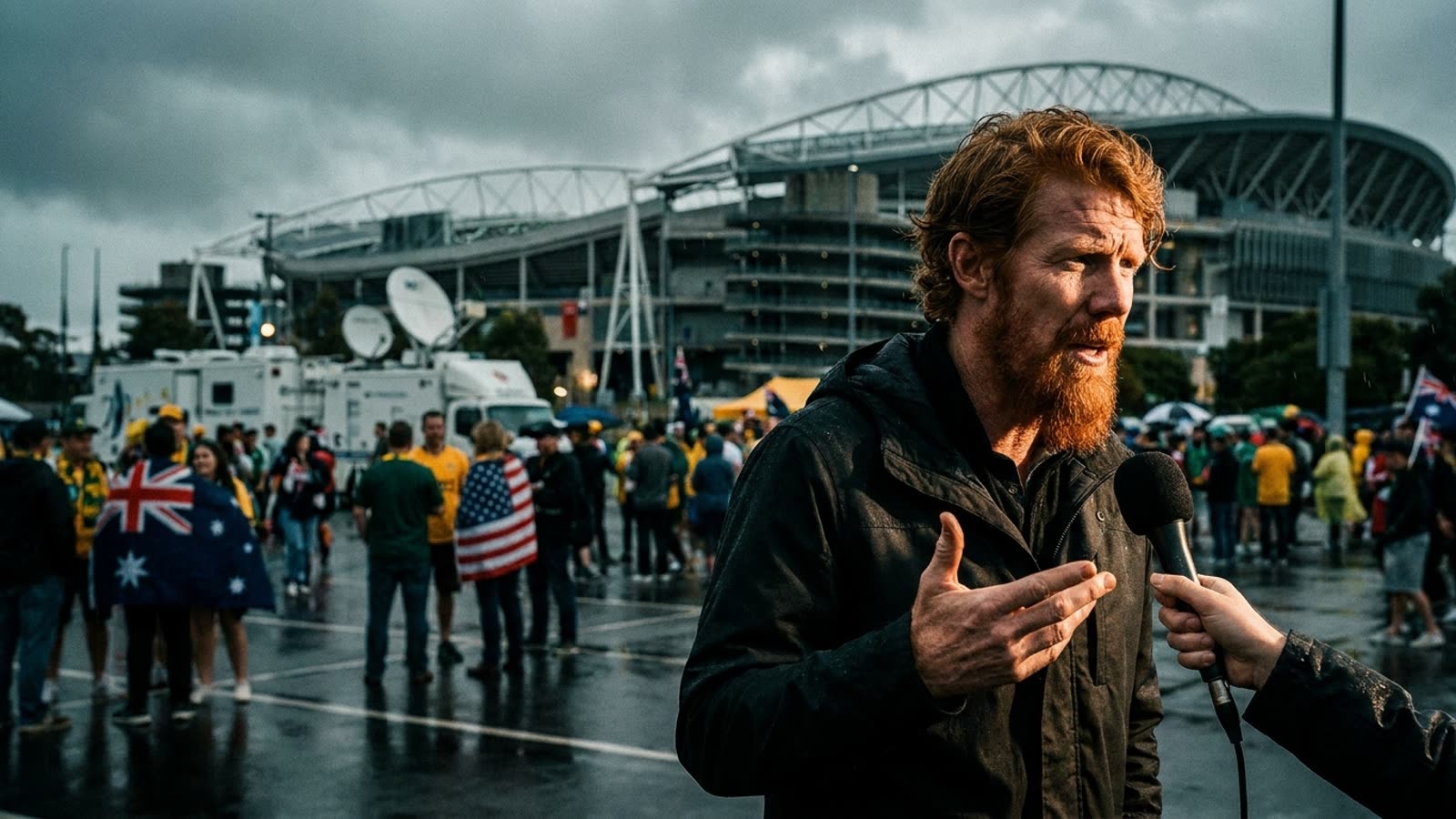
The World Cup has always been a theater for national grievance, but rarely does the inciting incident involve a studio analyst in a blazer. Alexi Lalas, the mustachioed former defender turned Fox Sports commentator, managed to trigger a genuine diplomatic flare-up between the United States and Australia this week after dismissing the Socceroos on air as a team "nobody cares about" in a tournament "they don't belong in."
What might have been forgotten as routine punditry bluster instead metastasized. Australian media ran the clip on loop. Social media did what social media does. And then, in a development that genuinely surprised State Department observers, the Australian consulate in Los Angeles issued a formal statement expressing "disappointment" at the characterization of their national team—a statement that stopped just short of demanding an apology but made clear that Canberra was watching.
The clip heard round the Pacific
Lalas's comments came during Fox's pre-match coverage of Australia's Group F opener against Denmark, which the Socceroos won 1-0 on a late goal from Nestory Irankunda. The timing made the dismissal look particularly foolish, but the substance of the complaint runs deeper. Australia qualified for this World Cup through a grueling intercontinental playoff and has invested heavily in its football infrastructure over the past decade. To be waved away as afterthoughts by an American broadcaster—in a tournament co-hosted by the United States—struck a nerve that transcended sports.
Fox Sports has not issued a formal response, and Lalas himself has remained uncharacteristically quiet on social media since the controversy erupted. The network faces an awkward position: Lalas is a prominent voice in their World Cup coverage, but alienating an entire nation's viewership three days into the tournament is not ideal programming strategy.
When banter becomes statecraft
The episode is a reminder that the World Cup operates on a different plane than domestic sports. Club football fans accept trash talk as part of the ecosystem; international football carries the weight of national identity. Lalas, who played in two World Cups for the United States, should understand this better than most. His 1994 squad was dismissed by European pundits in similarly contemptuous terms.
Australia's response also reflects a broader sensitivity in the region about being overlooked by American media and institutions. The AUKUS defense pact, the competition with China for Pacific influence, and Australia's hosting of the 2023 Women's World Cup have all raised the country's profile—and its expectations for how it should be treated by its closest ally.
Our take
Lalas built a career on provocative takes, and most of them evaporate harmlessly into the content void. This one didn't, because he forgot the first rule of World Cup commentary: you're not just talking to American viewers. Every word broadcasts to a global audience primed to take offense on behalf of their flag. The Australian consulate's intervention is performative, sure, but it's also a useful corrective. The World Cup is not the NFL. The stakes are different, the audience is different, and the consequences for lazy dismissiveness can be genuinely diplomatic. Lalas owes the Socceroos an on-air acknowledgment, if not an apology. Whether Fox lets him deliver one will say a lot about how seriously American broadcasters take their role as hosts of the world's game.