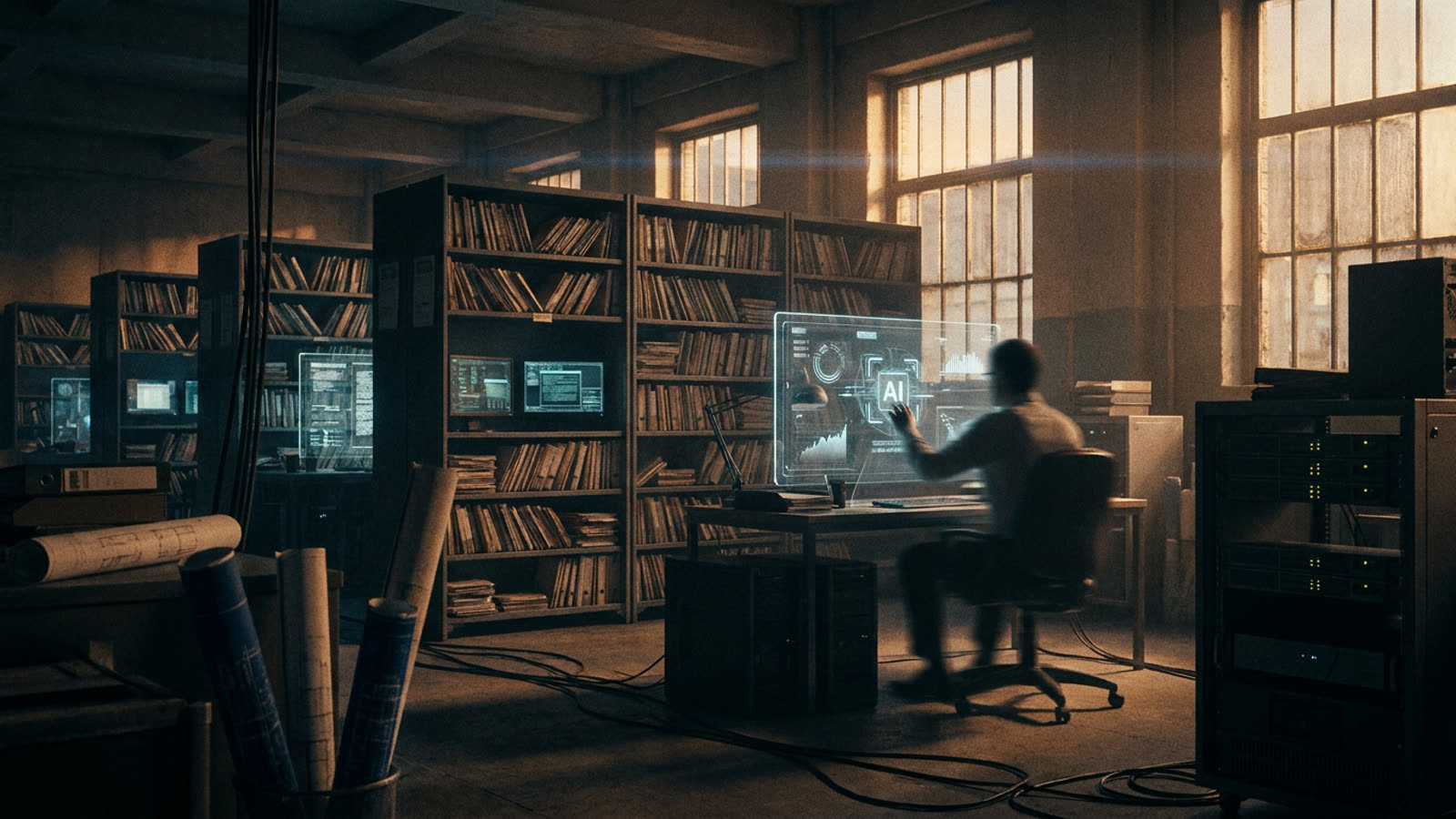
The patent examiner has always been an unlikely arbiter of the future. Sitting in government offices from Alexandria to Munich to Beijing, these specialists spend their days answering a deceptively simple question: is this idea truly new? The answer determines whether an inventor gains a twenty-year monopoly or watches their creation dissolve into the public domain. Now artificial intelligence is transforming how that question gets answered, and the implications extend far beyond bureaucratic efficiency.
Patent examination is, at its core, a search problem of staggering scale. An examiner reviewing a pharmaceutical compound must determine whether any of the roughly 200 million patents and technical publications worldwide anticipate the claimed invention. A semiconductor application might require cross-referencing decades of chip architecture evolution. Human examiners have always relied on classification systems and keyword searches, but the sheer volume of prior art — growing by millions of documents annually — has made comprehensive review increasingly fictional.
The machine as prior-art detective
AI-powered search tools now scan patent databases using semantic understanding rather than mere keyword matching. When an examiner inputs a claim about a novel battery chemistry, the system identifies conceptually similar disclosures even when they use different terminology. The European Patent Office began deploying such tools several years ago; the United States Patent and Trademark Office and other major authorities have followed. Examiners report that AI surfaces relevant prior art they would never have found through traditional searches — documents in foreign languages, obscure technical journals, patent applications that used unconventional descriptions.
The productivity gains are substantial. Tasks that once consumed days of an examiner's time can now be accomplished in hours. But the deeper transformation concerns the nature of examination itself. When AI consistently identifies prior art that human searches missed, the threshold for what qualifies as genuinely novel effectively rises. Marginal innovations that might once have slipped through now face rejection. Patent offices are, in effect, becoming more stringent without changing their legal standards.
The examiner's evolving craft
Veteran patent examiners describe their work as part legal analysis, part technical detective work, part educated intuition about where innovation actually occurs. AI handles the detective work with superhuman thoroughness, but the interpretive judgment remains stubbornly human. Determining whether a prior-art reference truly anticipates a claimed invention requires understanding what the inventor actually contributed — a contextual assessment that current AI systems perform poorly.
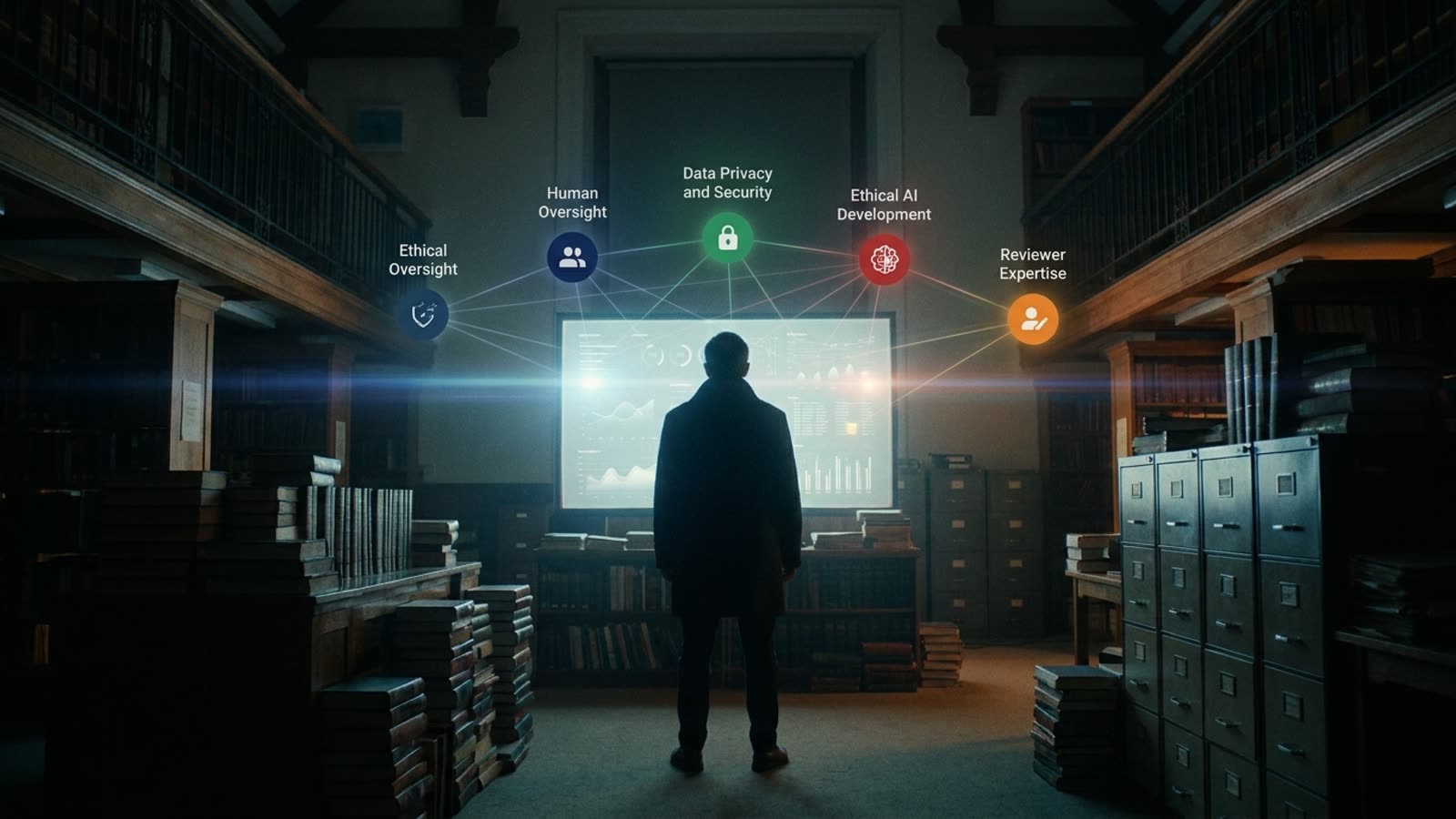
The profession is bifurcating. Junior examiners increasingly function as AI supervisors, reviewing machine-generated search results and flagging false positives. Senior examiners focus on the genuinely difficult cases: claims at the frontier of emerging fields where prior art is sparse, or applications involving AI-generated inventions that raise novel questions about inventorship itself. The USPTO has already grappled with applications listing AI systems as inventors — a philosophical puzzle that no search algorithm can resolve.
Our take
Patent examination has never been glamorous, but it has always mattered. The decisions made in these offices shape which technologies get developed, which companies gain market power, and ultimately which innovations reach the public. AI is making those decisions more rigorous and more consistent — genuine improvements for a system long criticized for granting dubious patents. But the technology also concentrates examination expertise in the offices wealthy enough to deploy sophisticated AI, potentially widening the gap between major patent authorities and smaller national offices. The quiet revolution in patent examination is, like most AI transformations, both genuinely useful and genuinely complicated. The examiners themselves seem to understand this better than most.