The modern investor is being asked to hold two contradictory ideas simultaneously: that artificial intelligence will deliver unprecedented productivity gains, and that old-fashioned geopolitical conflict can still crater the global economy overnight. Both propositions are currently true, and the tension between them is producing market behavior that defies conventional playbooks.
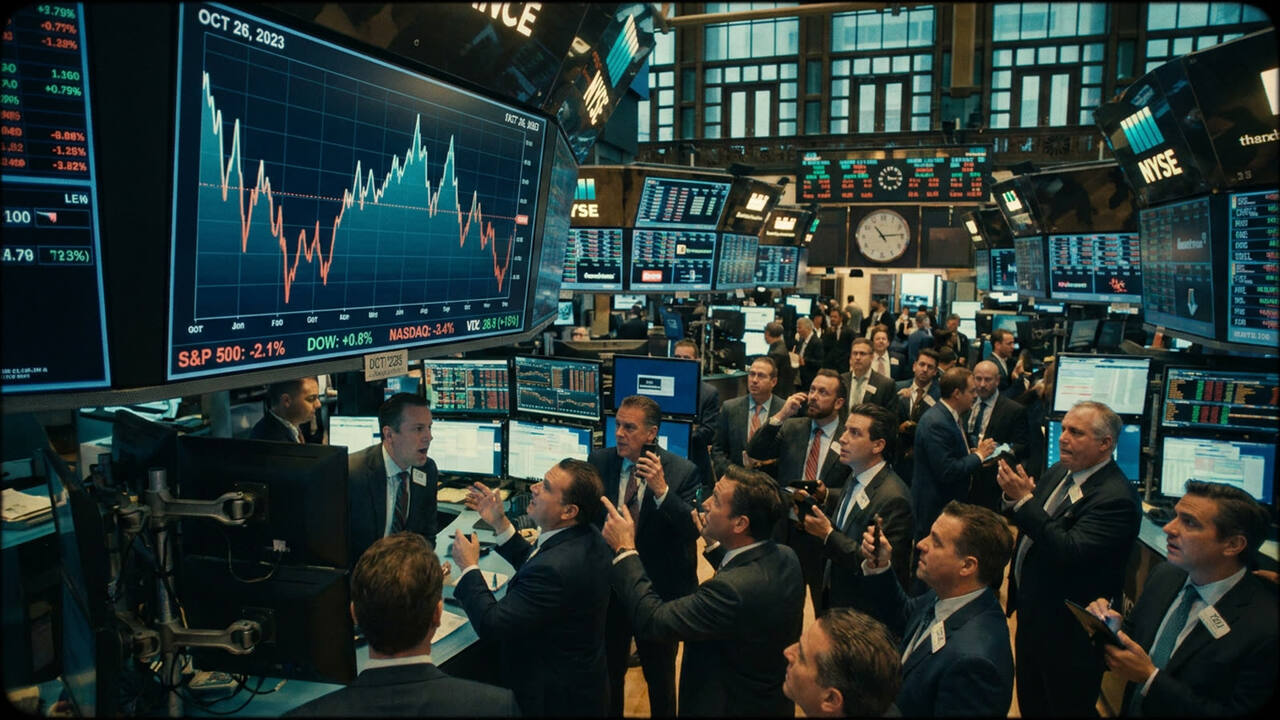
World equity markets have spent the past week oscillating between euphoria and dread, sometimes within the same trading session. Tech-heavy indices surge on AI earnings beats, then retreat as oil futures spike on fresh reports from the Persian Gulf. The S&P 500 has posted intraday swings exceeding 2% on three separate occasions this month—a level of volatility typically reserved for crisis periods, not what is ostensibly a functioning economy.
The AI bid refuses to die
Despite inflation breaking above 4% and energy costs climbing, the largest technology companies continue to attract capital at a pace that suggests investors believe they exist in a parallel economic universe. In a sense, they do. Companies with dominant positions in cloud computing and AI infrastructure can pass along cost increases, maintain margins, and even benefit from the productivity narrative that makes their products seem essential rather than discretionary. The result is a market where the top ten stocks by market capitalization are pulling further away from everything else, creating concentration risk that would have alarmed regulators a generation ago.
Oil's revenge
The Iran conflict has reminded markets that energy remains the economy's circulatory system, not a legacy sector awaiting obsolescence. Brent crude has climbed steadily since hostilities intensified, and the pass-through to consumer prices is now unmistakable. Airlines, shipping companies, and manufacturers are all revising guidance downward, while energy majors—long out of favor with ESG-conscious allocators—are quietly outperforming. The irony is not lost on portfolio managers who spent years divesting from fossil fuels only to watch them become the year's best hedge against geopolitical chaos.
The Fed's impossible position
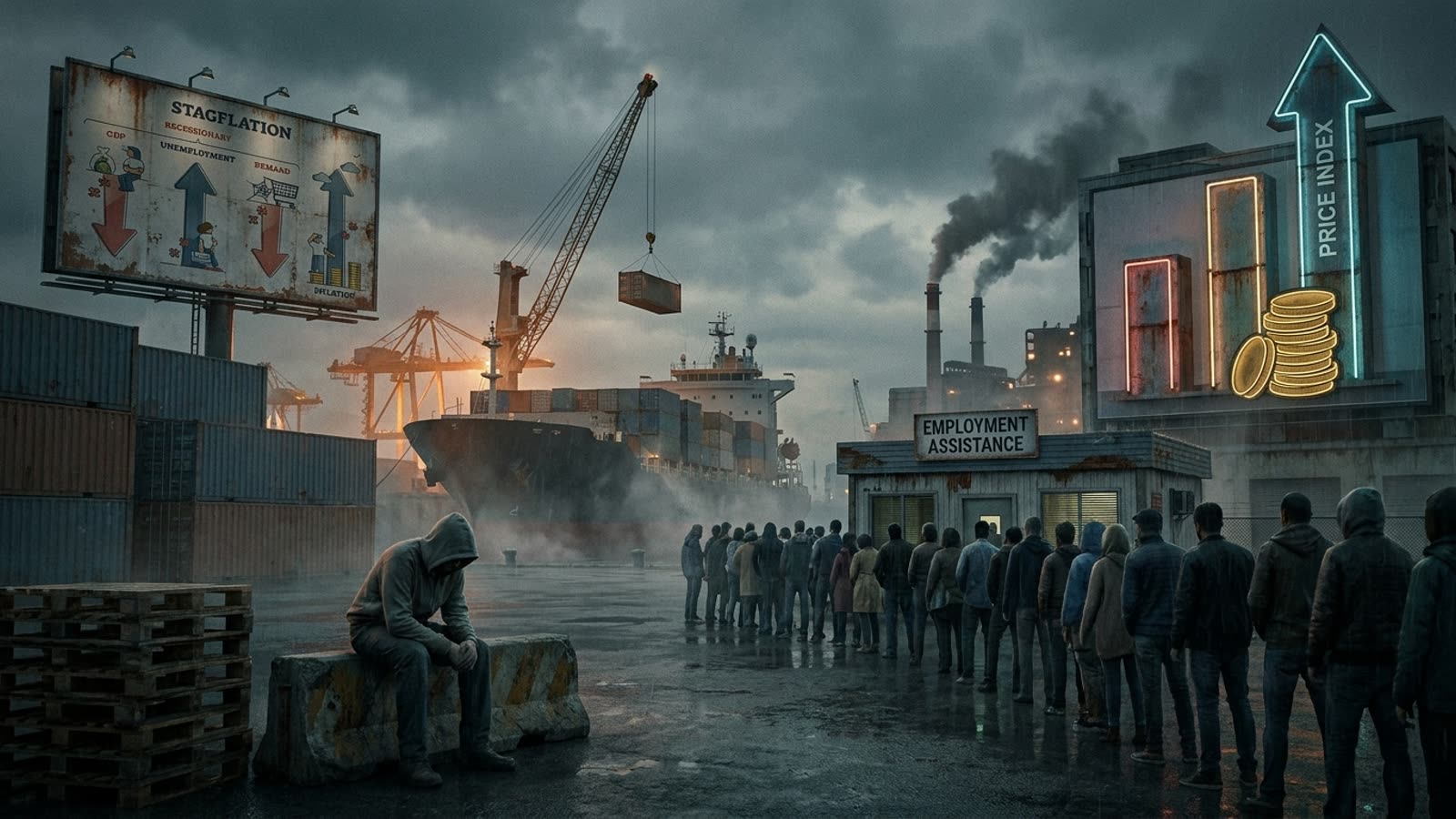
Central bankers now face a textbook stagflation dilemma. Inflation argues for tighter policy; energy-driven cost shocks argue for caution, since raising rates cannot drill new oil wells or negotiate ceasefires. The Federal Reserve's next move is genuinely uncertain, and that uncertainty is itself a source of volatility. Bond markets are pricing in contradictory scenarios depending on the day, with the two-year Treasury yield swinging in a range that would normally take months to traverse.
Our take
What we are witnessing is not a market in crisis but a market in identity confusion. The old correlations—growth versus value, risk-on versus risk-off—are breaking down because the drivers are genuinely novel: a technological revolution colliding with a geopolitical shock, each powerful enough to dominate headlines on its own. The investors who will navigate this best are those who resist the urge to pick a single narrative and instead accept that both can be true at once. Diversification, that most boring of virtues, has rarely been more relevant.