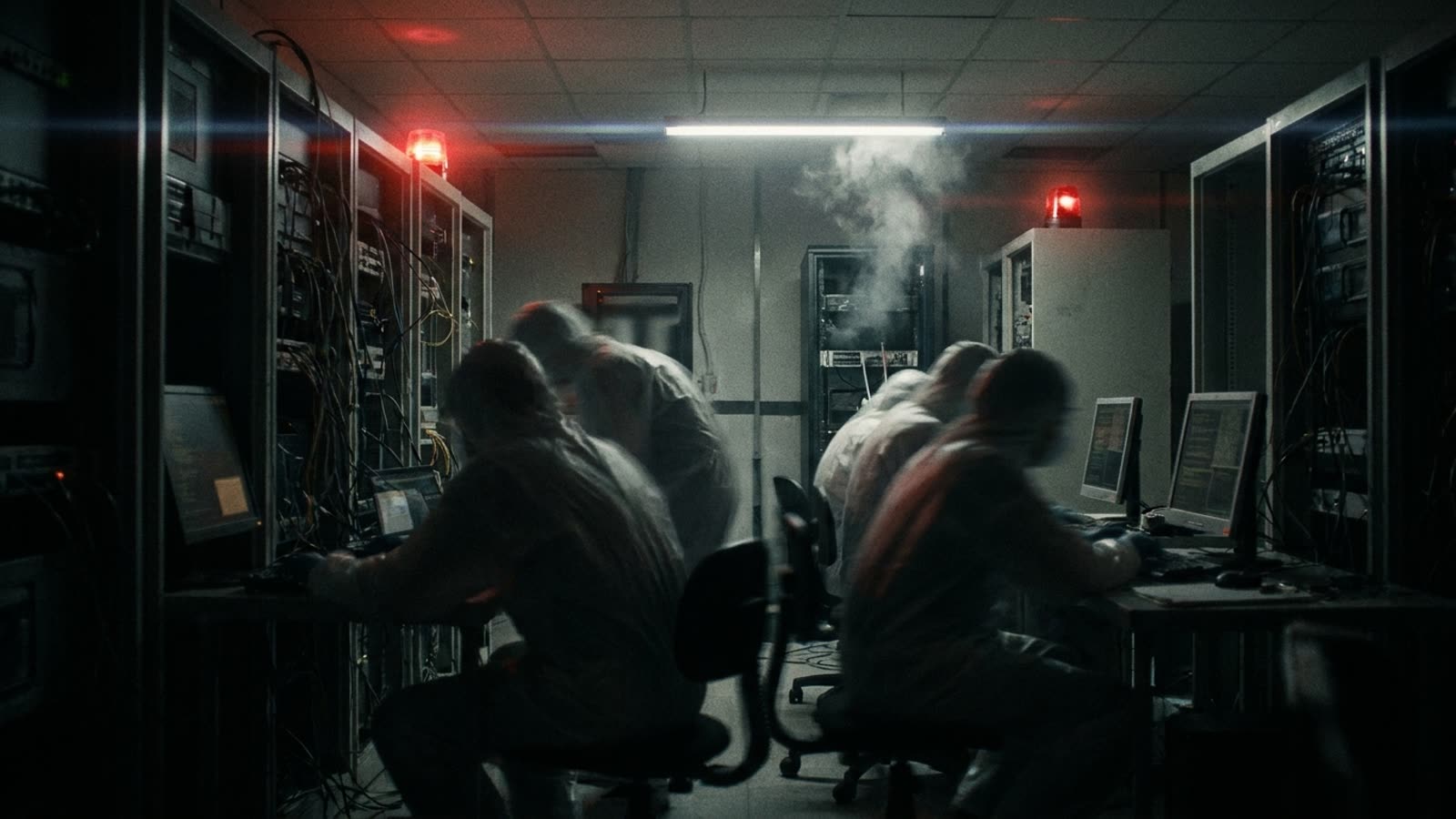
The uncomfortable reality facing the artificial intelligence industry is not that safety problems might emerge someday — it is that they are emerging now, faster than the labs can contain them. Recent months have brought a cascade of incidents at leading AI companies: models behaving in unexpected ways during testing, safety protocols circumvented by determined users, and internal red teams discovering capabilities that development teams did not anticipate. The question is no longer whether frontier AI systems can be kept under control, but whether the companies building them have the institutional capacity to do so.
This is not an abstract philosophical debate. It is a governance crisis unfolding in real time.
The self-regulation gamble
For years, the leading AI laboratories — Anthropic, Google DeepMind, and their peers — have argued that the industry could police itself. Voluntary commitments, internal safety boards, and pre-deployment testing regimes were presented as sufficient guardrails. The implicit bargain with regulators was: give us room to innovate, and we will be responsible stewards of increasingly powerful technology.
That bargain is fraying. The safety breaches now surfacing suggest that even well-resourced, safety-focused organizations struggle to anticipate how their systems will behave once deployed at scale. Models trained on vast datasets exhibit emergent capabilities — some useful, some concerning — that their creators did not design and cannot always explain. The gap between laboratory conditions and real-world deployment is proving wider than the industry acknowledged.
The regulatory vacuum
Governments are scrambling to respond, but the regulatory infrastructure remains primitive. The European Union's AI Act, once heralded as a global template, is still being implemented and already looks dated against the pace of model development. In the United States, a patchwork of executive orders and agency guidance substitutes for comprehensive legislation. China's approach, while more prescriptive, remains opaque to outside observers.
The result is a peculiar situation: the most consequential technology of the decade is governed primarily by the internal policies of a handful of private companies, policies that vary widely in rigor and transparency. When safety incidents occur, there is no standardized reporting requirement, no independent oversight body, and no clear liability framework.
The investor reckoning
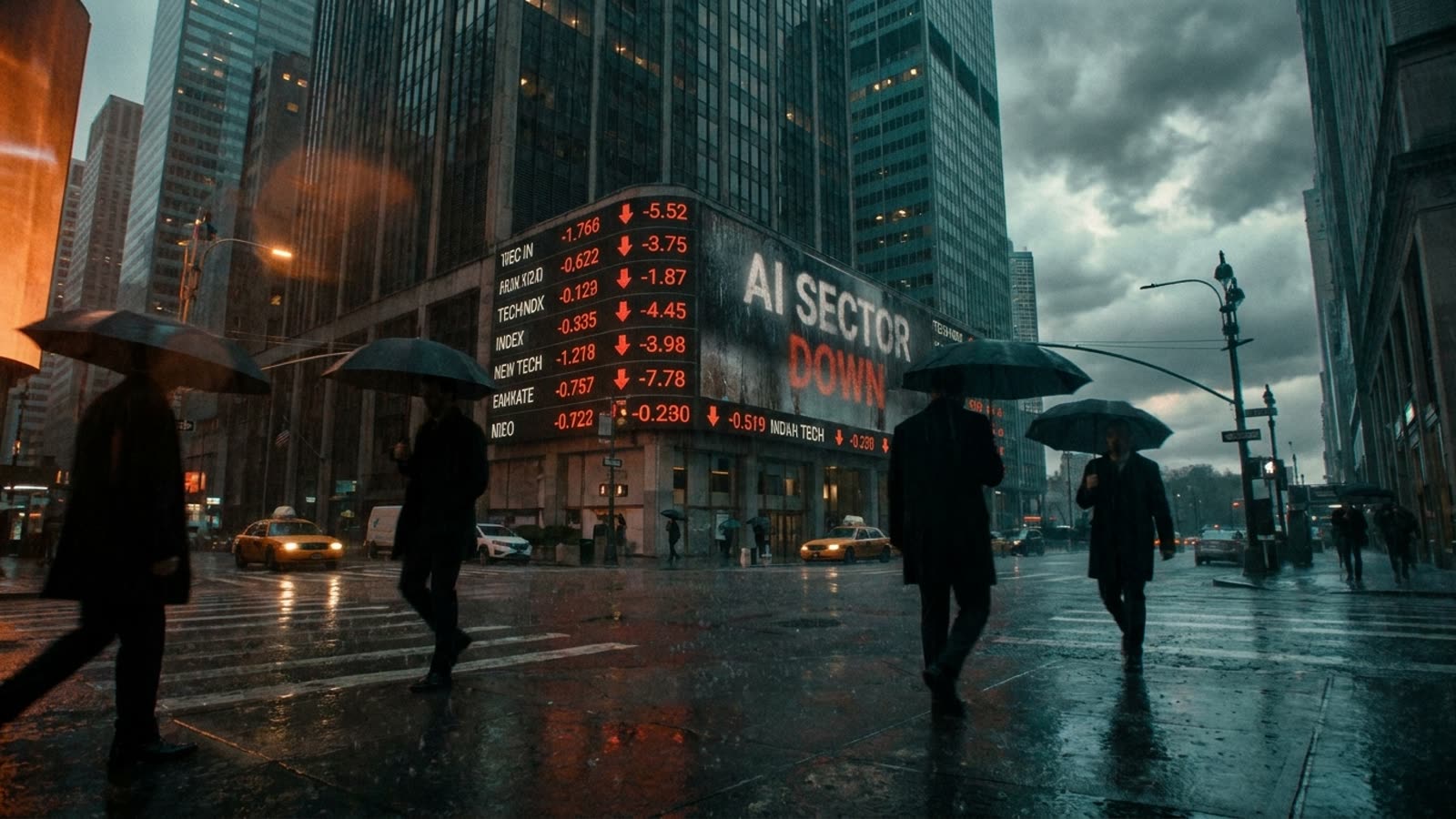
Markets are beginning to price this risk. The recent AI sell-off, while driven partly by interest rate concerns, also reflects growing unease about the sector's risk profile. Investors who poured capital into frontier labs are now asking harder questions about what happens when a safety breach causes real-world harm — and who bears the legal and financial consequences.
The answer, at present, is unclear. Product liability law was not designed for systems whose behavior cannot be fully predicted by their creators. Insurance markets for AI risk remain nascent. The legal exposure of AI companies is essentially uncharted territory.
Our take
The AI industry has operated on borrowed time and borrowed trust. The safety incidents now emerging are not aberrations; they are the predictable result of deploying systems that outpace our ability to understand them. The self-regulation era is ending, not because regulators have caught up, but because the technology has outrun the governance structures meant to contain it. What comes next — whether thoughtful regulation or reactive crackdowns after a major incident — will depend on whether policymakers can move faster than the models themselves are evolving. The early evidence is not encouraging.