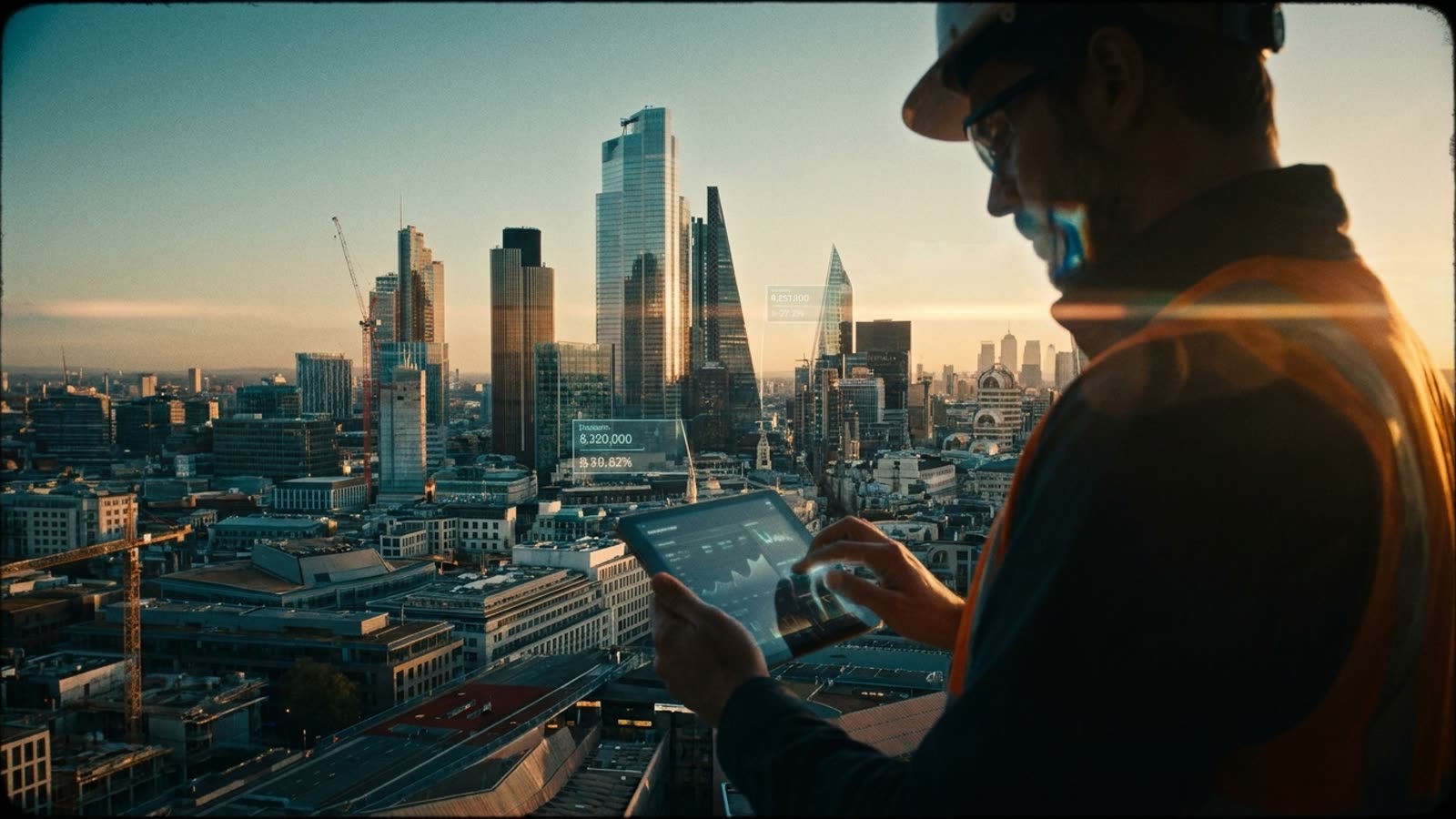
The commercial real estate appraiser has long occupied a curious position in the financial ecosystem: part detective, part accountant, part prophet. Their job is to look at a building—its bones, its tenants, its neighborhood, its future—and attach a number to it. That number then ripples outward into loans, insurance policies, tax assessments, and investment decisions worth billions. It is a profession built on judgment, and judgment, we are discovering, can be substantially enhanced by pattern recognition at scale.
The transformation is not dramatic. There are no robots touring office parks with clipboards. Instead, appraisers increasingly work alongside systems that can ingest decades of comparable sales data, satellite imagery showing parking lot occupancy trends, foot traffic patterns from mobile phone data, and lease abstracts from thousands of similar properties. The appraiser still makes the call. But the call is now informed by a synthesis of information that would have taken weeks to compile manually, if it could be compiled at all.
The data advantage
Traditional appraisal relied heavily on "comps"—comparable recent sales of similar properties. Finding good comps was an art. An experienced appraiser knew which transactions were arm's-length and which were distressed sales, which neighborhoods were genuinely comparable and which only appeared so on paper. This knowledge was hard-won, accumulated over years, and highly local.
Machine learning systems can now process vastly larger datasets of transactions, adjusting for dozens of variables simultaneously. They can identify patterns that human appraisers might miss: that properties within a certain distance of transit stops appreciate differently depending on the transit type, or that buildings with specific HVAC configurations command premiums in particular climate zones. The systems do not replace the appraiser's judgment about whether a specific comp is truly comparable—but they surface candidates the appraiser might never have found.
Where humans remain essential
The limits of AI in appraisal are instructive about the limits of AI generally. Valuation is not purely empirical. It involves predicting how future tenants, lenders, and buyers will perceive a property. It requires understanding local politics, zoning trajectories, and the reputations of property managers. It demands the ability to walk through a building and notice that the elevator makes a sound that suggests deferred maintenance, or that the lobby renovation was done cheaply.
These are precisely the kinds of contextual, embodied judgments that current AI systems cannot make. They can tell you that buildings with certain characteristics have historically traded at certain multiples. They cannot tell you that the new city councilmember has a vendetta against the property's developer, or that the anchor tenant's business model is quietly failing.
Our take
The appraisal profession offers a useful template for how AI will reshape many white-collar fields: not through replacement, but through a redistribution of cognitive labor. The tedious compilation work—the hours spent hunting for comps, adjusting for square footage and vintage, building spreadsheets—is being automated. What remains, and what becomes more valuable, is the judgment that sits atop the data. Appraisers who embrace these tools will find themselves able to handle more assignments with greater confidence. Those who resist will find their purely manual analyses competing against AI-augmented work that is both faster and more comprehensive. The eye is not being replaced. It is being given better glasses.