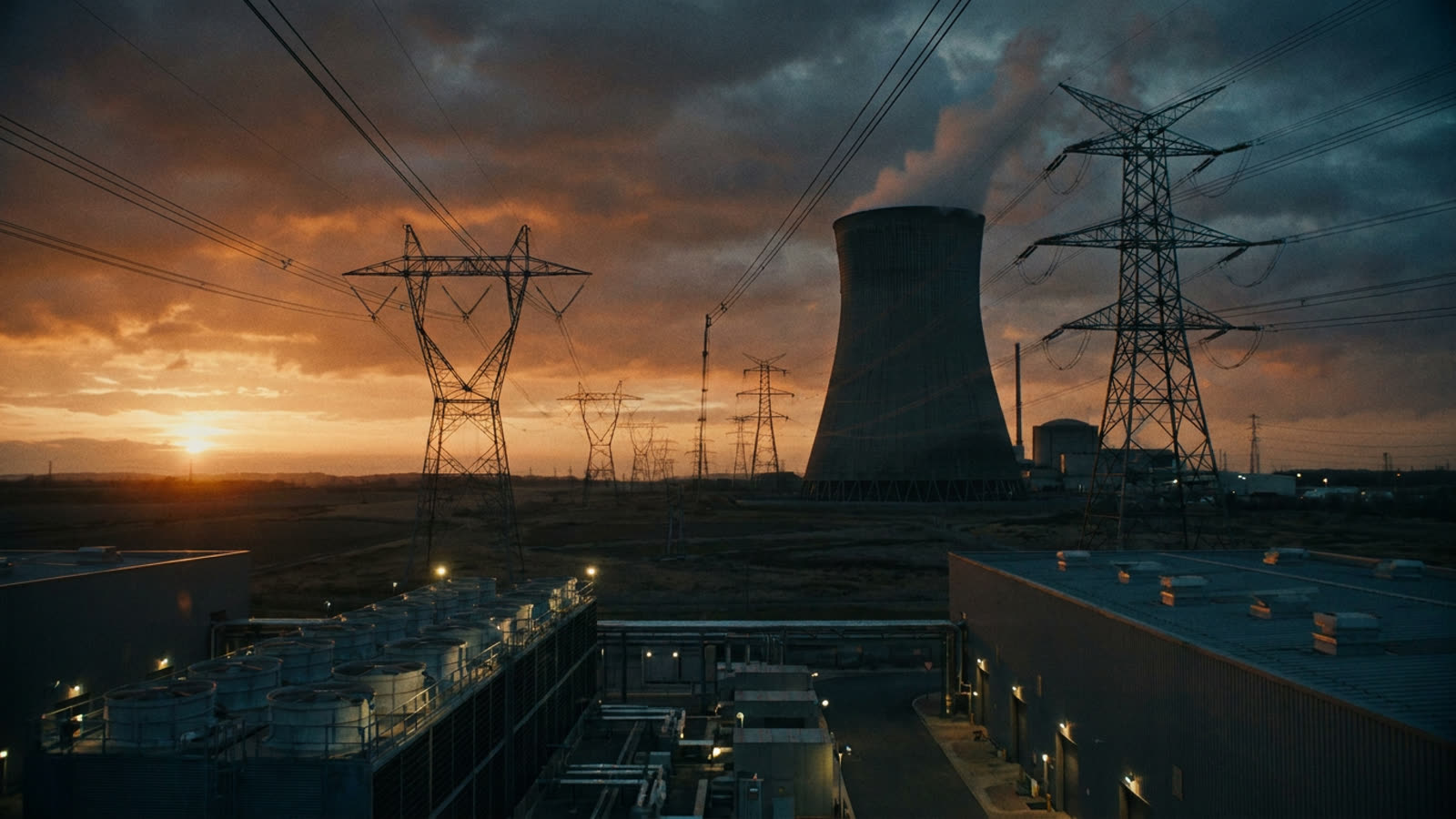
When Microsoft agreed to pay Constellation Energy to restart the shuttered Three Mile Island nuclear reactor, it marked a watershed moment in artificial intelligence's collision with physical reality. The tech industry's insatiable appetite for computational power has become an energy crisis hiding in plain sight.
The staggering arithmetic of AI infrastructure
A single training run for a frontier language model consumes roughly as much electricity as a small city uses in a month. OpenAI's GPT-4, Google's PaLM, and Meta's LLaMA didn't just emerge from clever algorithms—they required industrial-scale power plants running around the clock for weeks. The inference phase, where millions of users query these models daily, maintains a constant baseline draw that rivals aluminum smelting operations.
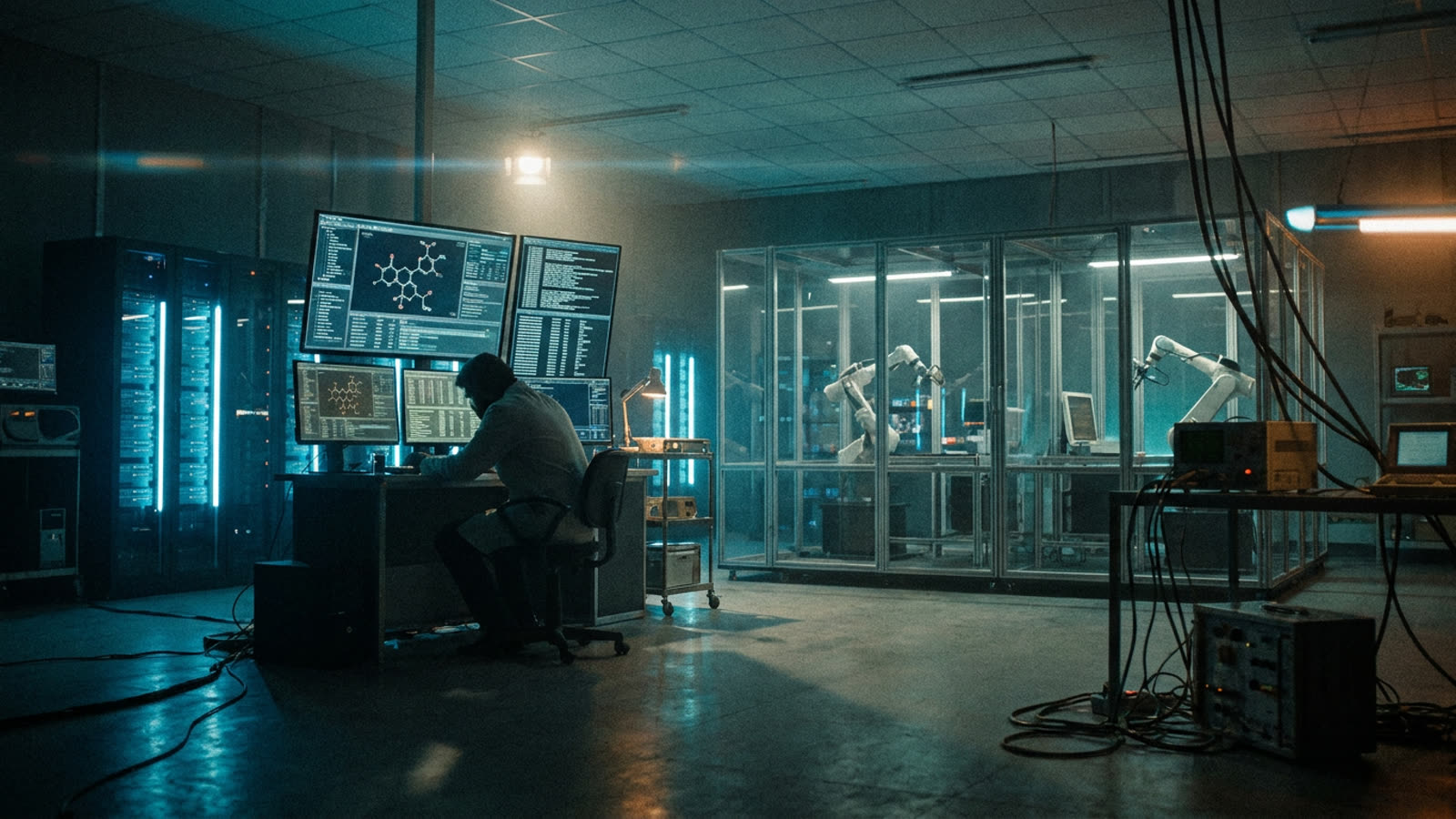
Data center operators report that AI workloads have fundamentally altered their power profiles. Traditional cloud computing allowed for load balancing and efficiency gains through virtualization. AI training clusters run at maximum capacity continuously, with no downtime, no throttling, and cooling systems pushed to their limits. Northern Virginia's "data center alley" now consumes more electricity than many U.S. states.
Why the grid wasn't built for this
America's electrical infrastructure evolved to serve predictable patterns: residential peaks in the evening, commercial loads during business hours, industrial users negotiating off-peak rates. AI data centers operate like blast furnaces that never cool down, located wherever fiber optic cables and land prices intersect favorably—often far from existing generation capacity.
The mismatch has triggered a scramble for power purchase agreements that would have seemed fantastical five years ago. Amazon is exploring small modular reactors. Google has signed deals for geothermal energy. Meta is funding solar farms larger than Manhattan. The irony is palpable: an industry that promised dematerialization and efficiency has become one of the world's most energy-intensive sectors.
Our take
The AI industry's energy hunger exposes the physical constraints that no amount of venture capital can simply code away. While the return of nuclear power might solve the carbon question, it doesn't address the deeper issue: we're building a technology stack that requires nation-state levels of infrastructure just to answer questions and generate images. The real innovation might not be in making models larger, but in making them radically more efficient. Until then, every chatbot conversation carries the hidden cost of keeping the lights on in a small town.