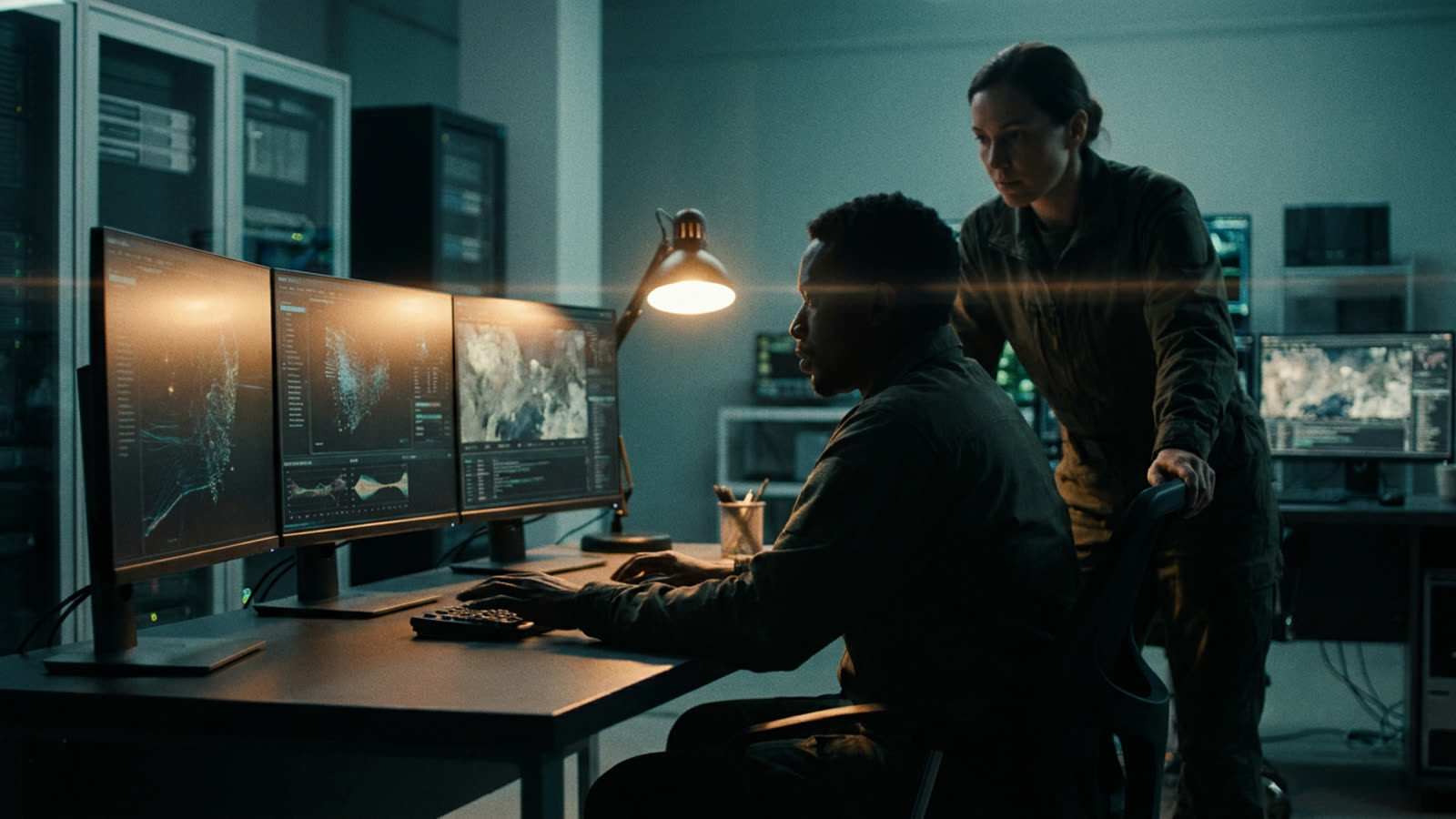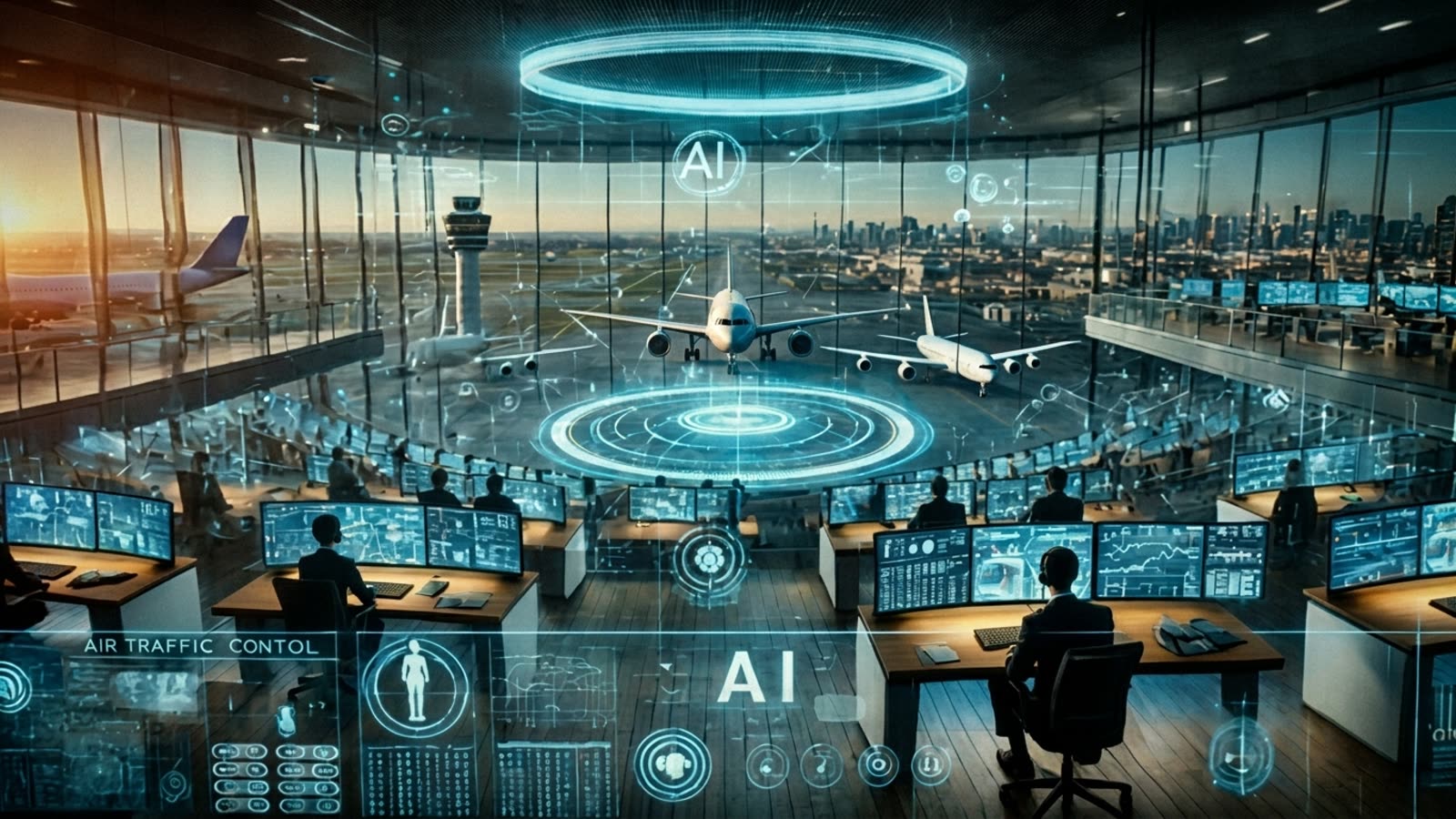
Every day, roughly 45,000 flights cross American airspace, guided by controllers who speak in clipped cadences and hold dozens of aircraft in their heads simultaneously. It is one of the most cognitively demanding jobs on earth, and also one of the most understaffed: the FAA has operated below its target controller headcount for years, with mandatory overtime and six-day weeks commonplace. Artificial intelligence could help. The question is whether anyone will let it.
The paradox of AI in safety-critical systems is that the domains most desperate for assistance are precisely those most resistant to accepting it. Air-traffic control sits at the extreme end of this tension. The work is brutal, the workforce is aging, and the consequences of failure are measured in body counts. Yet the same gravity that makes automation attractive makes it terrifying.
The automation paradox
Controllers already work alongside sophisticated decision-support tools — conflict-detection algorithms, arrival sequencers, weather overlays. But these systems advise; they do not command. The human remains the final authority, and this distinction is not merely regulatory but psychological. Controllers trust their own pattern recognition, honed over thousands of hours, more than any algorithm's recommendation.
This is not irrational. Machine-learning systems excel at processing vast datasets and identifying statistical regularities, but air-traffic control is a domain of exceptions. A pilot's tone of voice, an unusual request, a storm cell that the radar underestimates — controllers integrate soft signals that no current AI can reliably parse. The fear is not that machines will make mistakes, but that humans will stop catching the mistakes machines make.
The calibration problem
Researchers call this the calibration problem: humans must trust automation enough to benefit from it, but not so much that they disengage. Studies of autopilot in aviation have documented both extremes — pilots who override correct guidance and pilots who follow incorrect guidance into disaster. The same dynamics will govern any AI integration in control towers.
The deeper issue is that trust is not a dial you set once. It shifts with fatigue, workload, and experience. A controller who has seen an algorithm fail spectacularly will distrust it for months; one who has never seen it fail may trust it blindly. Training humans to calibrate their reliance on AI is arguably harder than building the AI itself.
What AI can do today
The realistic near-term applications are unglamorous but valuable: optimizing runway assignments, predicting delays, flagging potential conflicts earlier than human scan patterns typically catch them. These are augmentation tools, not replacements. They buy controllers seconds of extra reaction time, reduce the cognitive load of routine decisions, and free attention for the genuinely novel situations where human judgment remains irreplaceable.
Some experimental systems go further, proposing resolution maneuvers when conflicts arise. But even here, the human must evaluate, accept, or reject. The liability architecture of aviation demands a responsible party, and for now that party must be a person.
Our take
The sky will not be handed to algorithms anytime soon, nor should it be. But the staffing crisis in air-traffic control is real, and pretending that human heroism alone can sustain the system is its own form of recklessness. The path forward is not autonomy but partnership — machines that make controllers better, not redundant. The hardest engineering problem is not the algorithm. It is designing systems that humans can trust appropriately, in real time, under pressure, when lives depend on getting the calibration exactly right.