The playbook for becoming a celebrity DJ used to require either a famous surname or a reality television appearance. Zuleika Najar has neither, which makes her current trajectory—from underground house sets to magazine covers in under eighteen months—worth examining as a case study in how the influencer economy has quietly annexed electronic music.
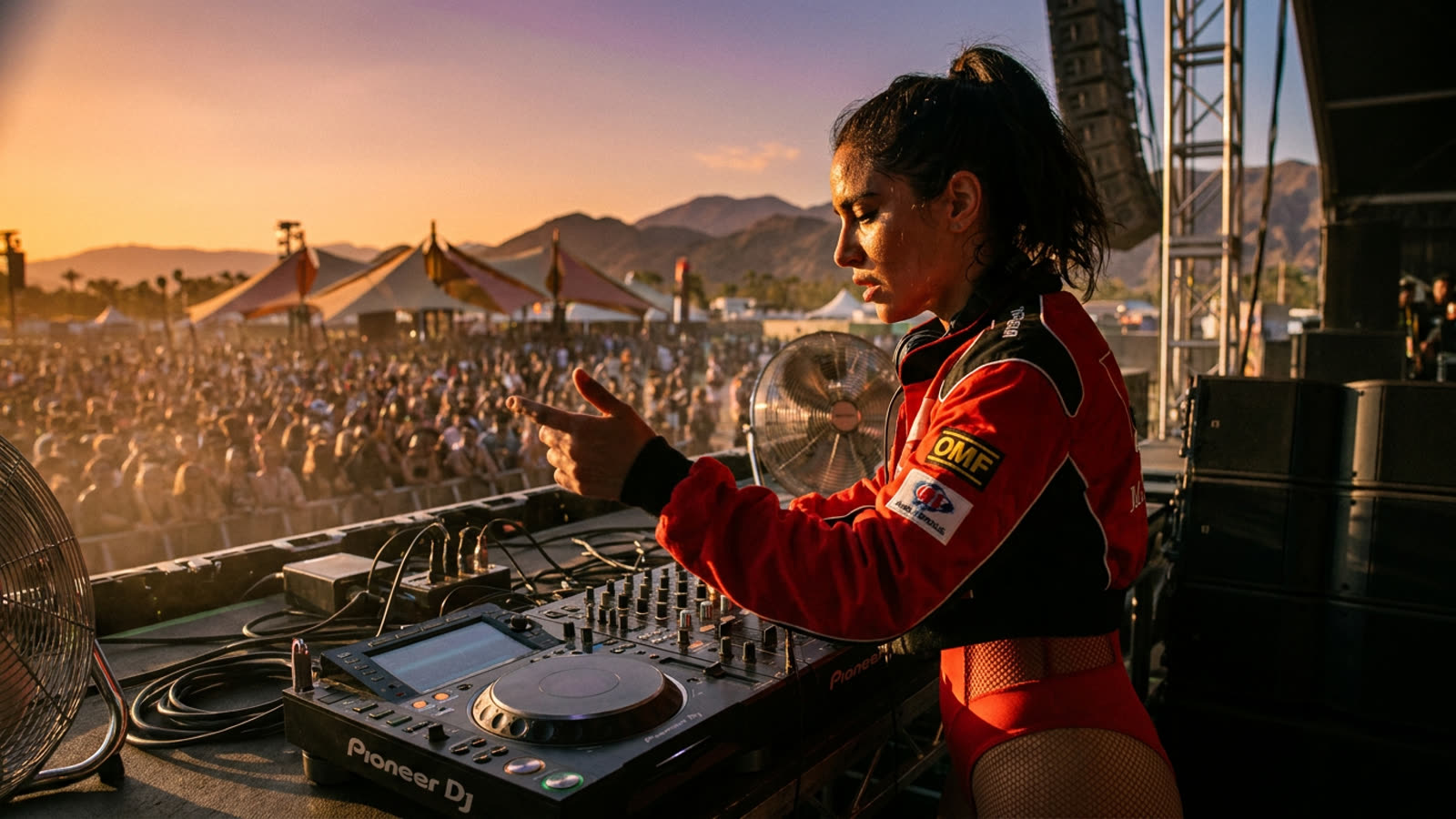
The 28-year-old Los Angeles native, who built her following through sweaty warehouse parties and a Pacha Ibiza residency that started in 2024, has spent the past three months appearing in campaigns for Jacquemus, hosting a Spotify-exclusive mix series, and showing up at every fashion week after-party that matters. Her Instagram following has tripled since January. The bookings have followed.
The new celebrity math
What separates Najar from the dozens of photogenic DJs competing for the same attention is a savvy understanding of platform mechanics. Her sets lean into the nostalgic Y2K house revival that TikTok has made commercially viable again, but her content strategy borrows more from beauty influencers than from her musical predecessors. Behind-the-scenes prep videos, fit checks before gigs, and carefully casual "day in my life" content create the parasocial intimacy that brands now prize above raw streaming numbers.
This is not a criticism. The music industry has always been a visual medium pretending to be an auditory one, and Najar is simply playing the game as it currently exists. Her actual DJ skills—fluid mixing, genuine crate-digging taste, an ability to read a room—are real enough that the fashion-week crowd hasn't turned on her for being "just" an influencer.
What the brands want
Luxury houses have spent the past decade cycling through rappers, K-pop stars, and nepo babies as campaign faces. The DJ demographic offers something different: aspirational nightlife credibility without the tabloid baggage of traditional celebrities. Najar photographs well in both a Jacquemus linen set and a sweat-soaked booth at 3 a.m., which is precisely the range that creative directors building "lifestyle" campaigns require.
The economics are favorable too. A mid-tier DJ commands a fraction of what an A-list musician would cost, while delivering comparable engagement rates to a younger, fashion-adjacent audience. Expect more names from the festival circuit to follow Najar into the brand partnership pipeline before the year ends.
Our take
Zuleika Najar may or may not become a household name, but she has already become a template. The barrier between "working musician" and "lifestyle brand" has collapsed entirely, and the artists who understand this fastest will capture the commercial upside that used to require a record deal and a publicist. Whether this is good for music is a separate question. Whether it is good for Najar's bank account is not.