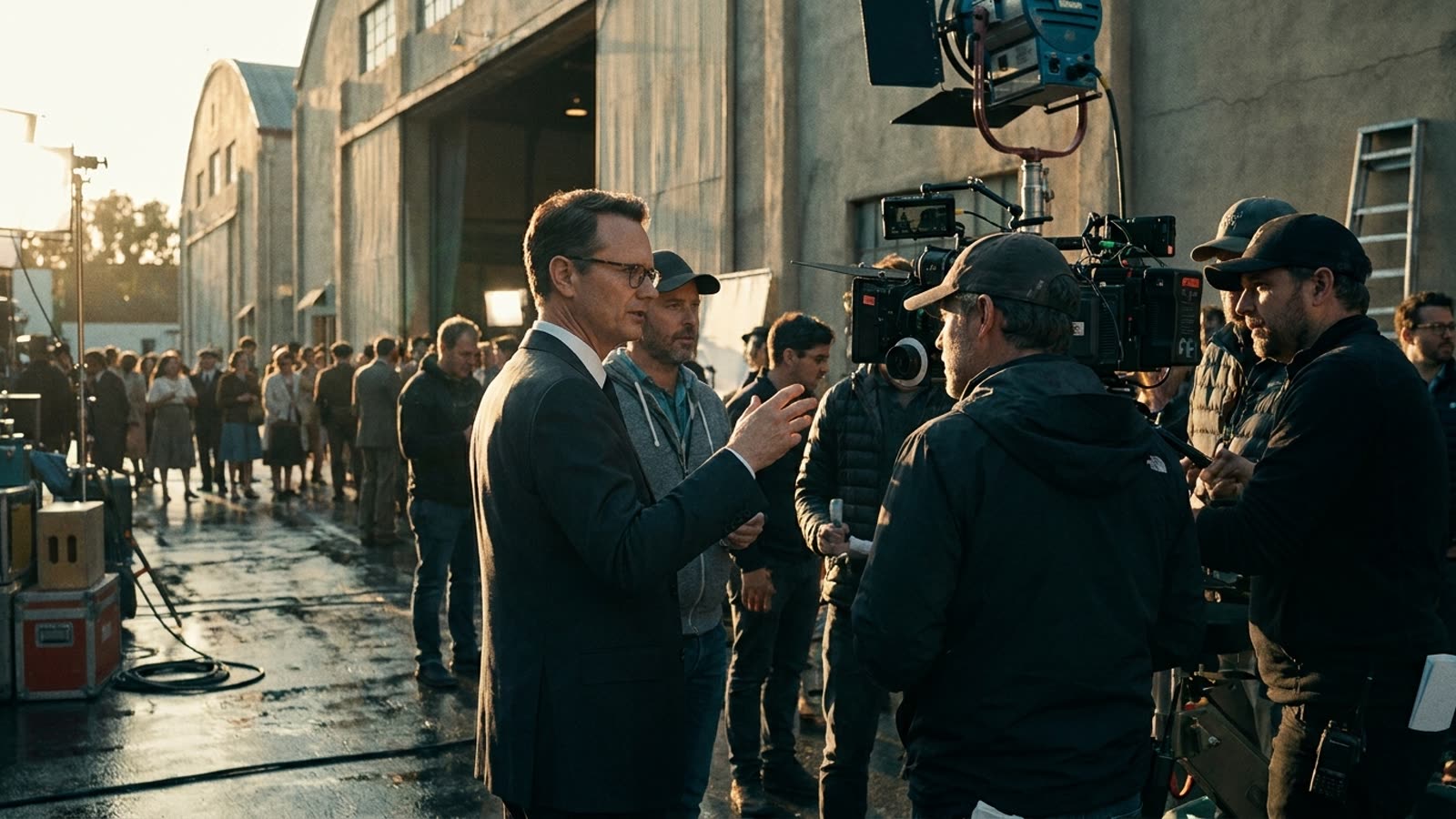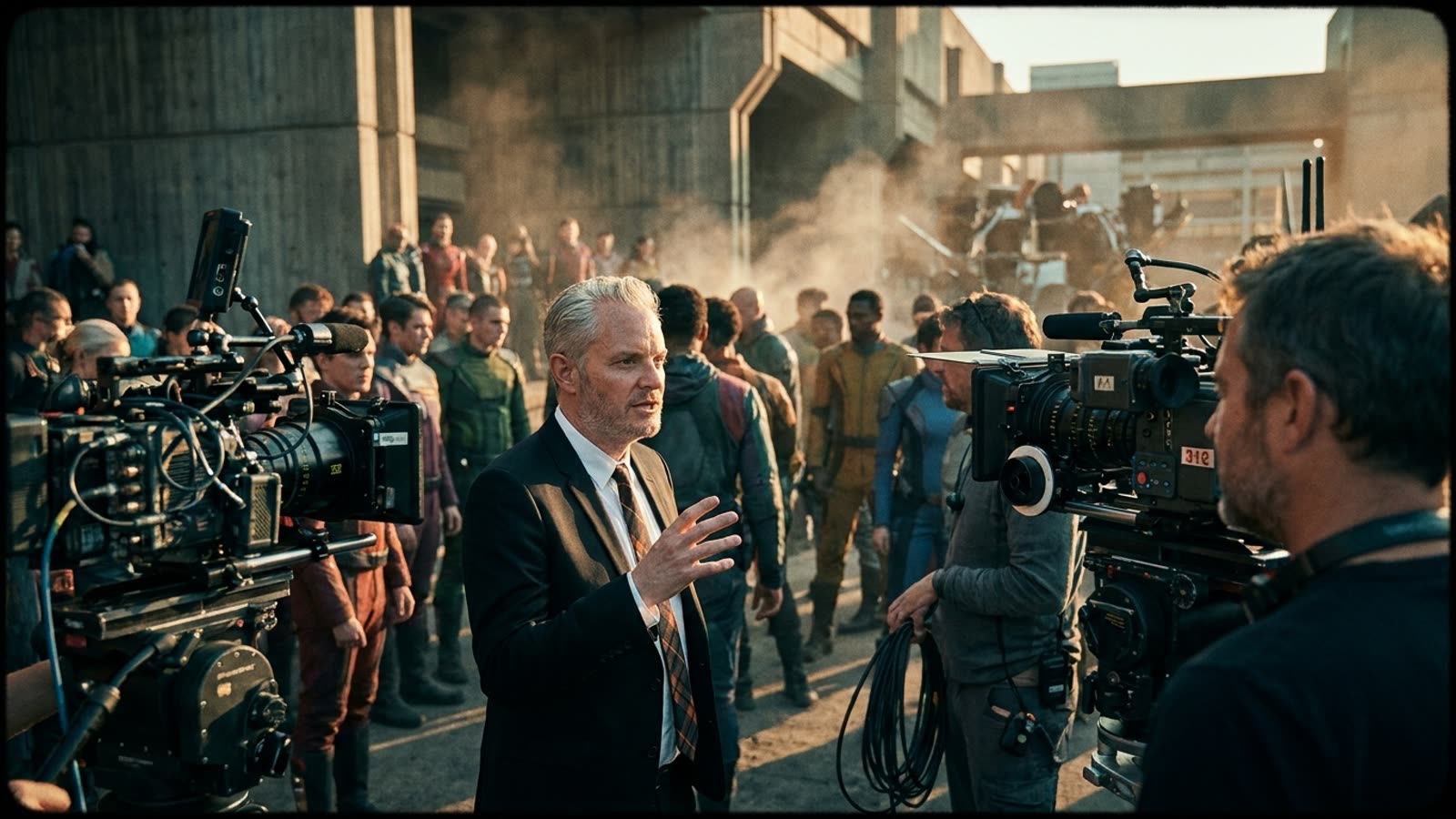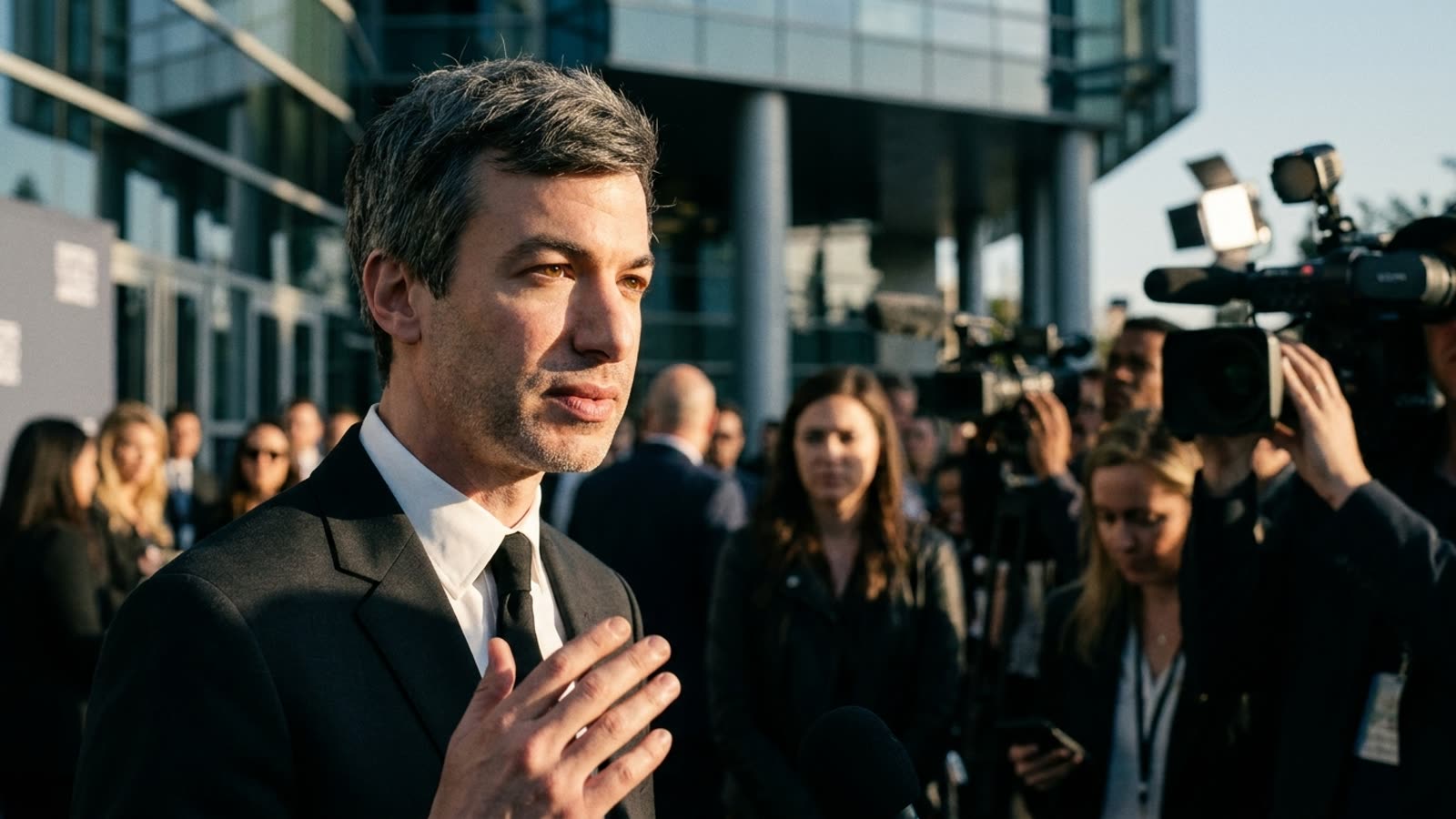
For two decades, Hollywood watched as Silicon Valley dismantled its business model, poached its talent, and condescended to its craft. Streaming gutted theatrical windows. Algorithms replaced taste. Engineers who couldn't name three Kurosawa films lectured studio heads about "content optimization." The humiliation was total, and the entertainment industry's response was mostly to capitulate, cash checks from tech acquirers, and mutter darkly at Chateau Marmont about the death of cinema.
No longer. A remarkable cluster of prestige projects now in release or production—You Can See Everything, Artificial, Musk, and The Social Reckoning—represents something new: Hollywood weaponizing its core competency against the people who tried to make it obsolete. The storytellers are finally getting back at the engineers, and they're doing it the only way they know how—by controlling how history remembers them.
The Theranos treatment goes mainstream
You Can See Everything, the Nathan Fielder-directed feature that premiered at Telluride to rapturous reviews, crystallizes the template. The film examines Elizabeth Holmes not as a cautionary business case but as a peculiarly American tragedy, complete with the kind of psychological interiority that no podcast or documentary can replicate. Fielder's surrealist instincts—one scene reportedly features Holmes playing Abbott and Costello's "Who's on First?" routine while holding her infant—transform a familiar fraud narrative into something genuinely unsettling about ambition, delusion, and the Valley's messianic self-regard.
The approach matters. When Aaron Sorkin wrote The Social Network in 2010, he gave Mark Zuckerberg the gift of complexity, even tragedy. The new wave offers no such generosity. These films arrive after Cambridge Analytica, after teen mental health crises linked to Instagram, after Elon Musk's Twitter implosion, after the AI safety researchers started using words like "existential." Hollywood has decided that the founders don't deserve the Citizen Kane treatment. They deserve the Wolf of Wall Street treatment—entertaining, yes, but fundamentally damning.
Why now, and why it works
The timing is not accidental. The tech giants' content ambitions have stalled or reversed: Apple TV+ remains a prestige vanity project, Amazon's MGM acquisition has yet to produce a cultural tentpole, and Netflix—despite its dominance—is hemorrhaging the executive talent that understood traditional Hollywood storytelling. The power asymmetry that made entertainment executives grovel before Cupertino and Menlo Park has shifted. Tech needs Hollywood's legitimacy more than Hollywood needs tech's capital.
Meanwhile, the audience appetite is clearly there. The success of The Dropout, WeCrashed, Super Pumped, and The Playlist proved that founder-takedown narratives rate. But those were largely television projects, constrained by the medium's requirements for sympathy and ongoing engagement. The new features can be merciless. A two-hour film doesn't need you to root for anyone.
Our take
There is something delicious about watching an industry dismissed as a dinosaur discover that dinosaurs had very sharp teeth. Silicon Valley spent years telling Hollywood that stories were just "content," interchangeable units to be optimized and A/B tested. Now Hollywood is demonstrating what it actually means to control a narrative—to decide who is a visionary and who is a villain, who gets remembered as a genius and who as a fraud. The tech founders built platforms. The filmmakers are building legacies. And legacies, it turns out, are not something you can disrupt with an algorithm.