For a sport that spent the past three years tearing itself apart over Saudi billions and antitrust lawsuits, golf received an unexpected gift on Sunday: a genuine, uncomplicated athletic achievement worth discussing on its own merits.
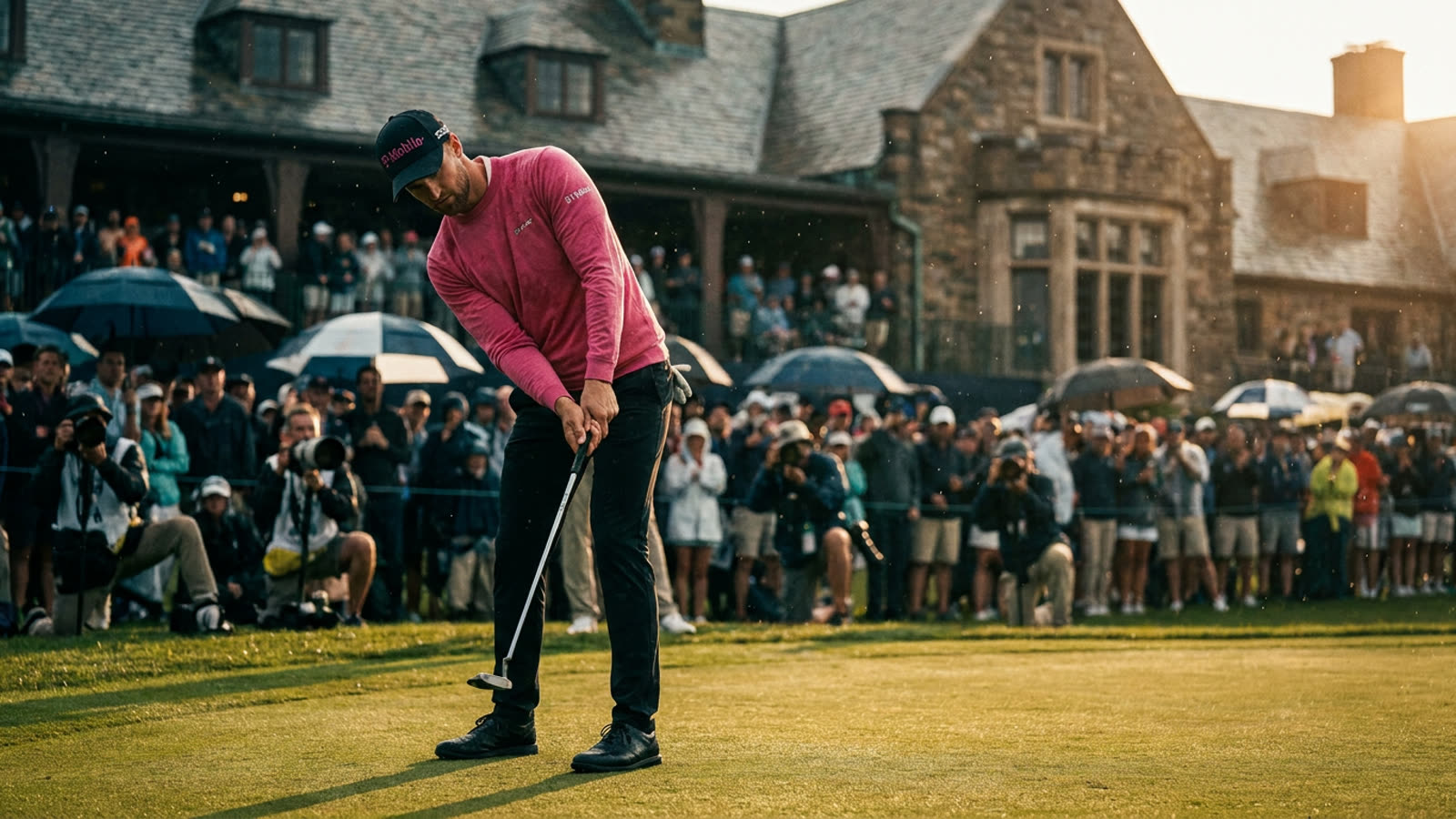
Wyndham Clark's second consecutive U.S. Open victory at Oakmont Country Club makes him only the eighth player since World War II to defend the title, joining a lineage that includes Ben Hogan, Curtis Strange, and Brooks Koepka. The Denver native navigated Oakmont's notorious church-pew bunkers and slick greens with the kind of controlled aggression that defined his breakthrough win last year, finishing at four-under par while the rest of the field wilted under championship pressure.
The final-round narrative
Clark entered Sunday with a two-stroke lead and the weight of history pressing down. Oakmont has broken more frontrunners than perhaps any course in major championship golf—its greens are faster than most Tour players encounter all year, and its rough punishes even slight misses with surgical precision. The 32-year-old responded by playing the front nine in one-under, extending his cushion when challengers faltered.
The decisive moment came at the par-three 13th, where Clark stuck his tee shot to within four feet while his nearest pursuer found the bunker. The resulting two-shot swing effectively ended the tournament as a contest, though Clark still needed to navigate Oakmont's brutal finishing stretch without incident. He did so with the poise of a player who has clearly matured since his breakthrough.
What repeat victories actually mean
Back-to-back major wins are vanishingly rare in modern golf. The equipment has equalized, the depth of talent has deepened, and the margin between world-class and merely excellent has narrowed to almost nothing. Tiger Woods managed it four times across his career. Koepka did it once, at this same championship. That Clark has joined this company suggests something beyond a hot streak—it indicates a player who has figured out how to peak when the stakes are highest.
The timing matters for golf's broader narrative. The PGA Tour and LIV Golf remain locked in an uneasy détente, with merger talks dragging on and the sport's identity still fractured. Clark, notably, stayed loyal to the traditional tour, and his success offers a counterargument to those who claimed the best competition had migrated to the Saudi-backed circuit.
Our take
Clark's repeat is the best thing to happen to golf's public image in years—not because he's particularly charismatic or controversial, but precisely because he isn't. Here is a player who simply showed up, prepared meticulously, and executed when it mattered most. In an era when golf coverage has been dominated by courtroom filings and press-conference sniping, watching someone win the old-fashioned way feels almost radical. Whether Clark can sustain this level through the Open Championship next month will determine if he's a genuine era-defining player or merely a very good one who caught lightning twice. Either way, golf needed this.