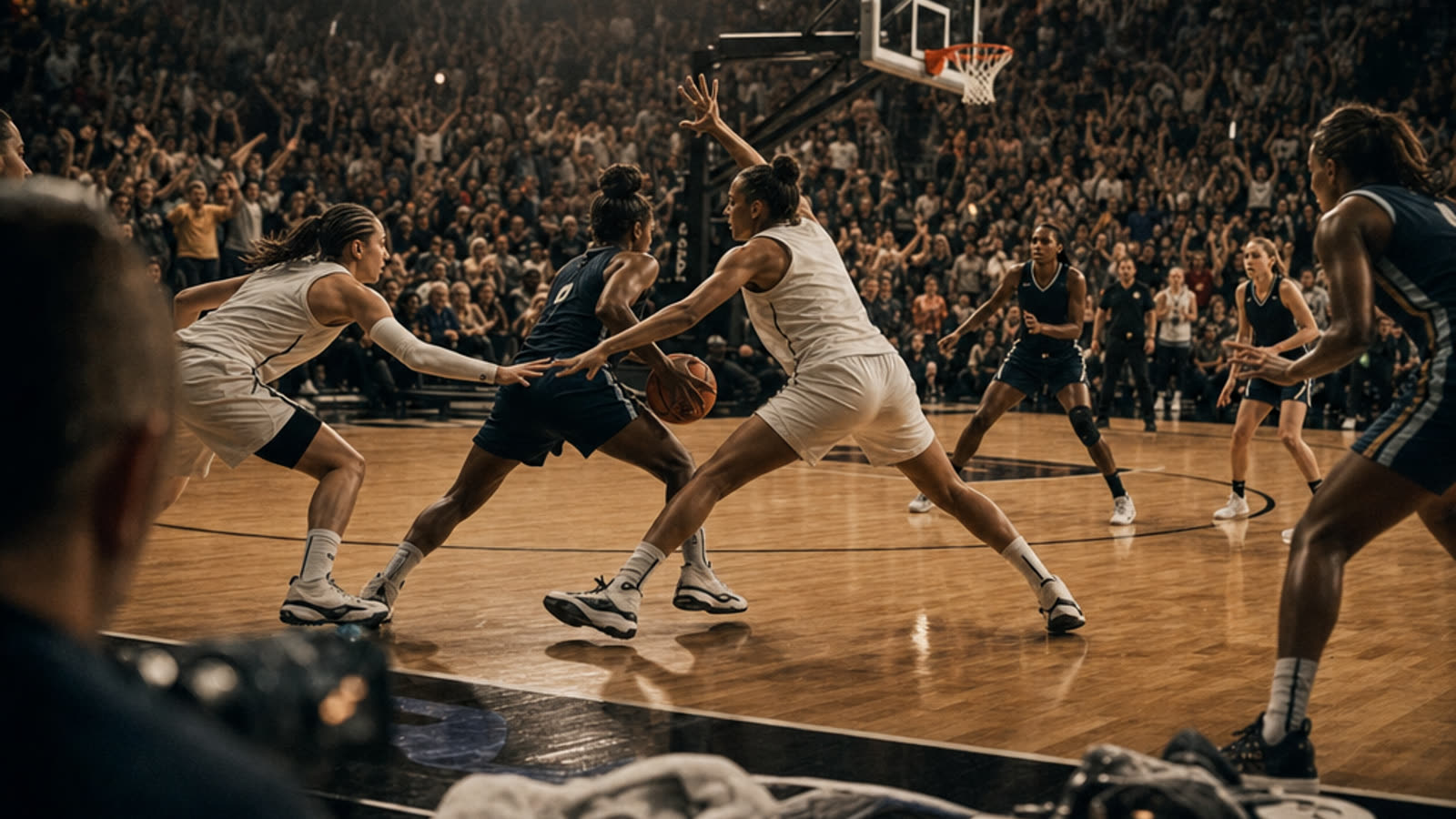
The WNBA playoffs have a way of compressing entire seasons into single possessions, and Wednesday night's Game 3 between the Atlanta Dream and New York Liberty will test whether regular-season dominance translates when survival is the only metric that matters.
New York built its case for a repeat championship on offensive efficiency so pristine it bordered on algorithmic. Breanna Stewart and Sabrina Ionescu run actions that look choreographed because they essentially are—the Liberty's spacing creates passing lanes that exist before defenders can close them. Through two playoff rounds, this system has looked unbeatable. Then Atlanta showed up with a blueprint for breaking it.
The Dream's defensive gamble
Atlanta's approach in this series has been deliberately ugly. Head coach Tanisha Wright has deployed switching schemes that sacrifice traditional positioning for chaos, forcing New York's guards into contested mid-range shots rather than the three-pointers and rim attacks their offense craves. The strategy concedes that Atlanta cannot outshoot the Liberty—so instead, the Dream have tried to make shooting itself feel unfamiliar.
The results have been mixed but revealing. New York's three-point percentage has dipped below its season average in both games, and Stewart has faced more double-teams in the post than at any point since joining the franchise. The Liberty still won Game 1 comfortably, but Game 2 was a grind that exposed something important: New York's depth scoring disappears when the system breaks down.
Why elimination games favor the underdog
Playoff basketball rewards teams that can manufacture points outside their comfort zone. The Liberty have rarely needed to operate outside theirs—their regular season was a masterclass in controlled execution. But Atlanta has nothing to lose and a defensive identity built specifically for this matchup. The Dream's Rhyne Howard has emerged as a two-way force capable of creating her own offense when possessions stall, a skill that becomes invaluable when game scripts go sideways.
New York remains the better team by every conventional measure. Their starting five outclasses Atlanta's in aggregate talent, their coaching staff has more championship experience, and home court should matter. Yet elimination games introduce variables that regular-season data cannot capture: fatigue, pressure, the psychological weight of being expected to win.
Our take
The Liberty will likely advance—their talent gap is real, and Atlanta's chaos strategy has diminishing returns once New York's shooters find rhythm. But this series has already accomplished something valuable: it has shown that the WNBA's best team is not invincible, merely excellent. For a league trying to build dramatic stakes that rival the NBA's, competitive semifinals matter more than coronations. Atlanta probably loses Wednesday, but they have made New York earn something that looked automatic a week ago.