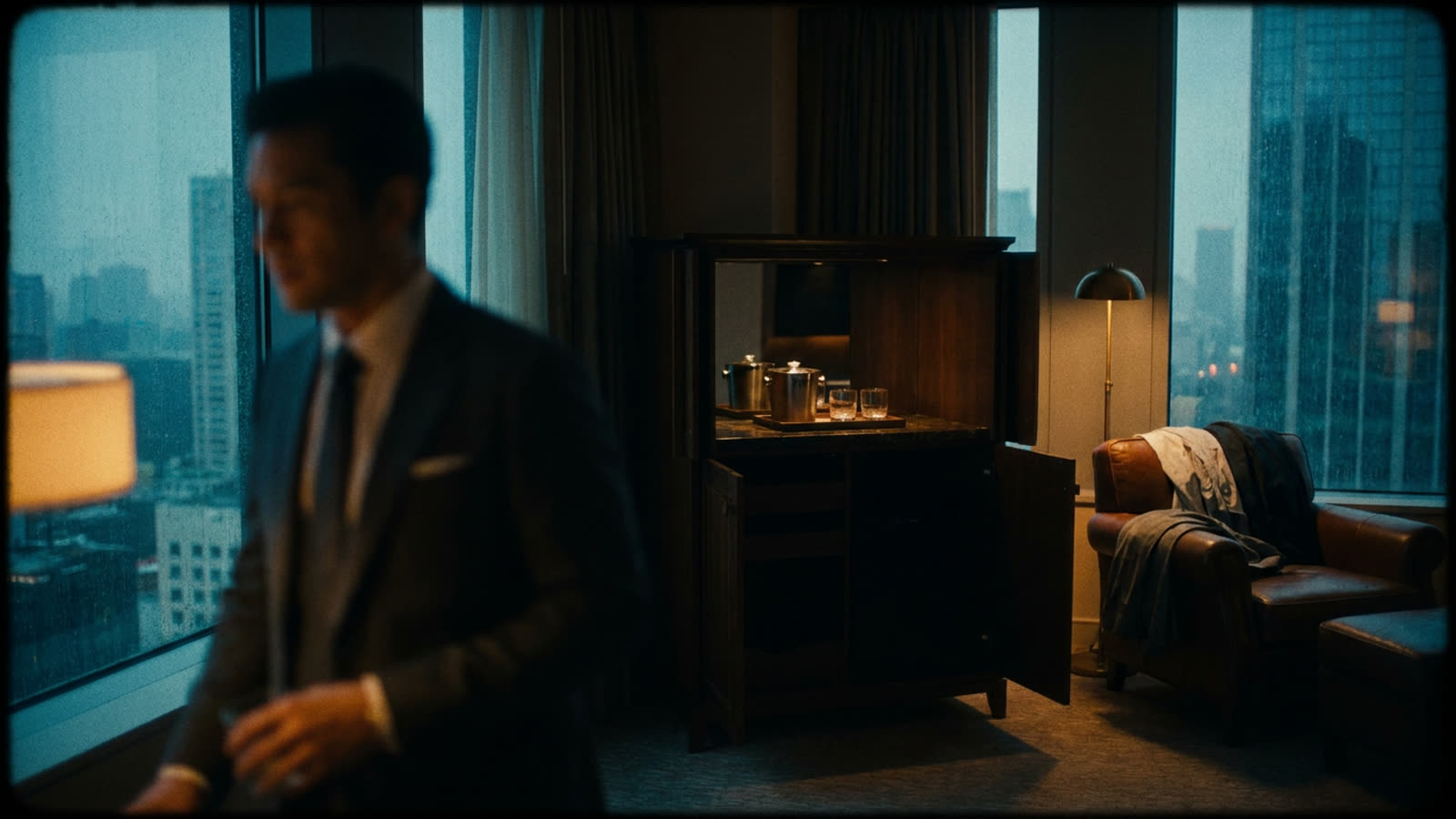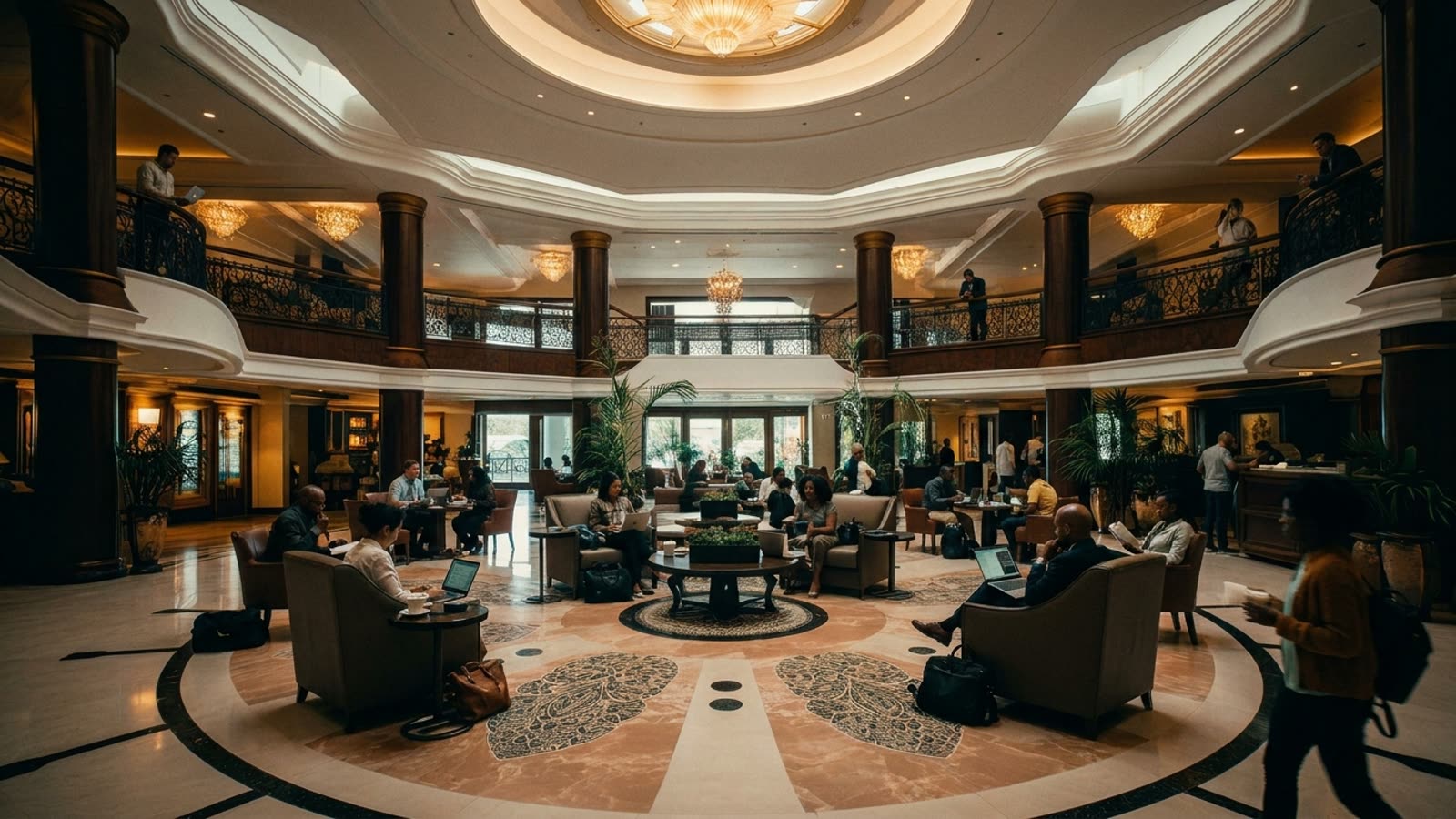
The most radical shift in urban social life over the past two decades happened not in parks, cafés, or coworking spaces, but in a room originally designed to process strangers as quickly as possible: the hotel lobby.
What was once a transactional waystation—check in, check out, move along—has become something closer to a secular cathedral. People who have no intention of sleeping upstairs now treat these spaces as offices, date venues, reading rooms, and refuges from the chaos of city streets. The lobby has become, improbably, one of the last genuinely mixed-use public spaces in privatized urban cores.
The accidental commons
The transformation began in earnest when boutique hotels discovered that a compelling ground floor could generate more brand value than the rooms above it. Ian Schrager's Royalton in New York, which opened in the late 1980s, is often credited with pioneering the lobby-as-scene concept, but the real democratization came later, when chains realized that non-guests spending money on coffee and cocktails were not interlopers but customers. The lobby bar became a profit center. The velvet rope came down.
This created a peculiar urban phenomenon: spaces that feel public but remain privately controlled, where anyone can sit down but security can ask anyone to leave. Sociologists call these "pseudo-public spaces," and they have proliferated as genuine public squares have declined. The hotel lobby occupies an interesting position in this landscape—less surveilled than a shopping mall, more comfortable than a train station, and governed by hospitality norms that discourage the kind of aggressive policing found in other commercial spaces.
Architecture follows function
The physical design of lobbies has evolved accordingly. Ceilings have risen. Seating has multiplied and diversified—high tables for laptop workers, deep sofas for lingerers, bar stools for the socially ambitious. Natural light has become a priority. The front desk, once the room's focal point, has shrunk or disappeared entirely, replaced by roving staff with tablets. Some newer properties have eliminated the traditional check-in counter altogether, treating arrival as something that happens on your phone rather than at a piece of furniture.
The aesthetic has shifted too. The corporate-neutral beige of the 1990s business hotel gave way to the curated eclecticism of the boutique era, which has itself given way to something more residential—bookshelves, fireplaces, art that looks collected rather than commissioned. The message is clear: this is not a waiting room. This is a room for being.
The economics of lingering
Hotel operators have discovered that a vibrant lobby creates a halo effect that extends to room rates, restaurant covers, and brand perception. A property known for its ground-floor energy can charge a premium even if the rooms themselves are unremarkable. This has inverted traditional hospitality logic, where the room was the product and everything else was overhead.
The model has limits. A lobby full of people nursing single espressos for four hours is not a lobby full of people ordering lunch. Some properties have responded with subtle friction—removing power outlets, reducing free Wi-Fi speeds, designing seating that discourages extended stays. Others have leaned into the community function, hosting events, partnering with local businesses, and treating the lobby as a loss leader for broader brand loyalty.
Our take
The hotel lobby's rise as a social space says something unflattering about the cities that surround it. When the most welcoming public room in a neighborhood belongs to a corporation that could revoke your access at any moment, something has gone wrong with urban planning. But it also says something hopeful about human adaptability—we will find third places wherever we can, colonizing the margins of commercial space and making them our own. The lobby was never designed to be democratic. That we have made it so is a small act of collective imagination.