When China banned cryptocurrency mining in May 2021, it didn't just displace an industry—it revealed how a supposedly borderless technology remains deeply tethered to physical infrastructure, energy politics, and regulatory whims. The exodus that followed offers a masterclass in how digital aspirations collide with analog realities.
The empire strikes back
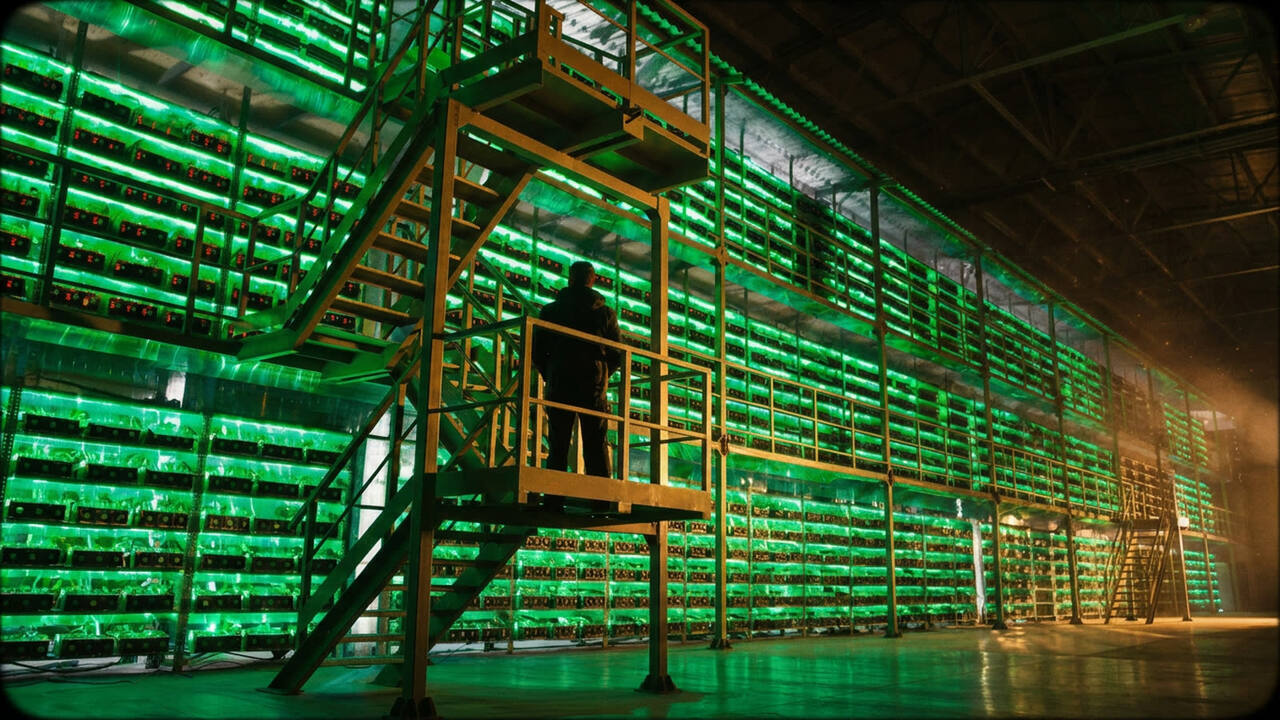
Before the ban, China controlled roughly 65% of global Bitcoin mining capacity. Sichuan province alone, with its abundant hydroelectric power during rainy seasons, hosted mining operations that would make small nations envious. The crackdown was swift and total. By July 2021, China's share of global hashrate had plummeted to effectively zero, at least officially.
The ban wasn't China's first attempt to curb crypto activities, but it was the most comprehensive. Previous restrictions had focused on trading and initial coin offerings. This time, Beijing targeted the entire mining infrastructure—from industrial-scale operations to garage setups. The message was clear: digital currencies threatened both financial stability and carbon reduction goals.
The great migration
What followed was perhaps the largest coordinated migration of computing power in history. Mining operations didn't simply shut down; they packed up and moved. Kazakhstan emerged as an early winner, its share of global mining jumping from 6% to over 18% within months. The United States saw similar gains, particularly in Texas, where deregulated energy markets and crypto-friendly politicians rolled out the red carpet.
But the migration exposed Bitcoin's dirty secret: for all its talk of decentralization, mining naturally gravitates toward centralized pockets of cheap energy and friendly regulation. The industry didn't become more distributed after China's ban—it simply found new centers of gravity. Today, a handful of publicly-traded mining companies in North America control significant portions of the network's computational power.
The energy paradox
The exodus also transformed Bitcoin's energy narrative. Chinese miners often relied on stranded hydroelectric power that would otherwise go unused. Their departure pushed more mining toward fossil fuel-dependent grids, temporarily increasing Bitcoin's carbon intensity even as the industry proclaimed its green credentials.
Yet this shift also accelerated innovation. Miners began partnering with renewable energy projects, using excess capacity that would otherwise be curtailed. Some operations now function as mobile energy buyers, setting up shop wherever power is cheapest and cleanest at any given moment. The industry learned to market itself not as an energy drain but as a grid-balancing tool.
Our take
China's mining ban inadvertently strengthened Bitcoin by forcing geographic diversification, but it also exposed the network's ongoing centralization challenges. The migration proved that Bitcoin can survive major shocks, yet it remains vulnerable to the same forces that govern traditional industries: energy costs, regulation, and infrastructure. The dream of truly decentralized money persists, but the machines that secure it remain stubbornly tied to the physical world and its power structures.