Major League Baseball finds itself in familiar, uncomfortable territory: a generational talent whose off-field conduct demands institutional reckoning, and a league apparatus that has historically preferred looking the other way until public pressure makes that impossible.
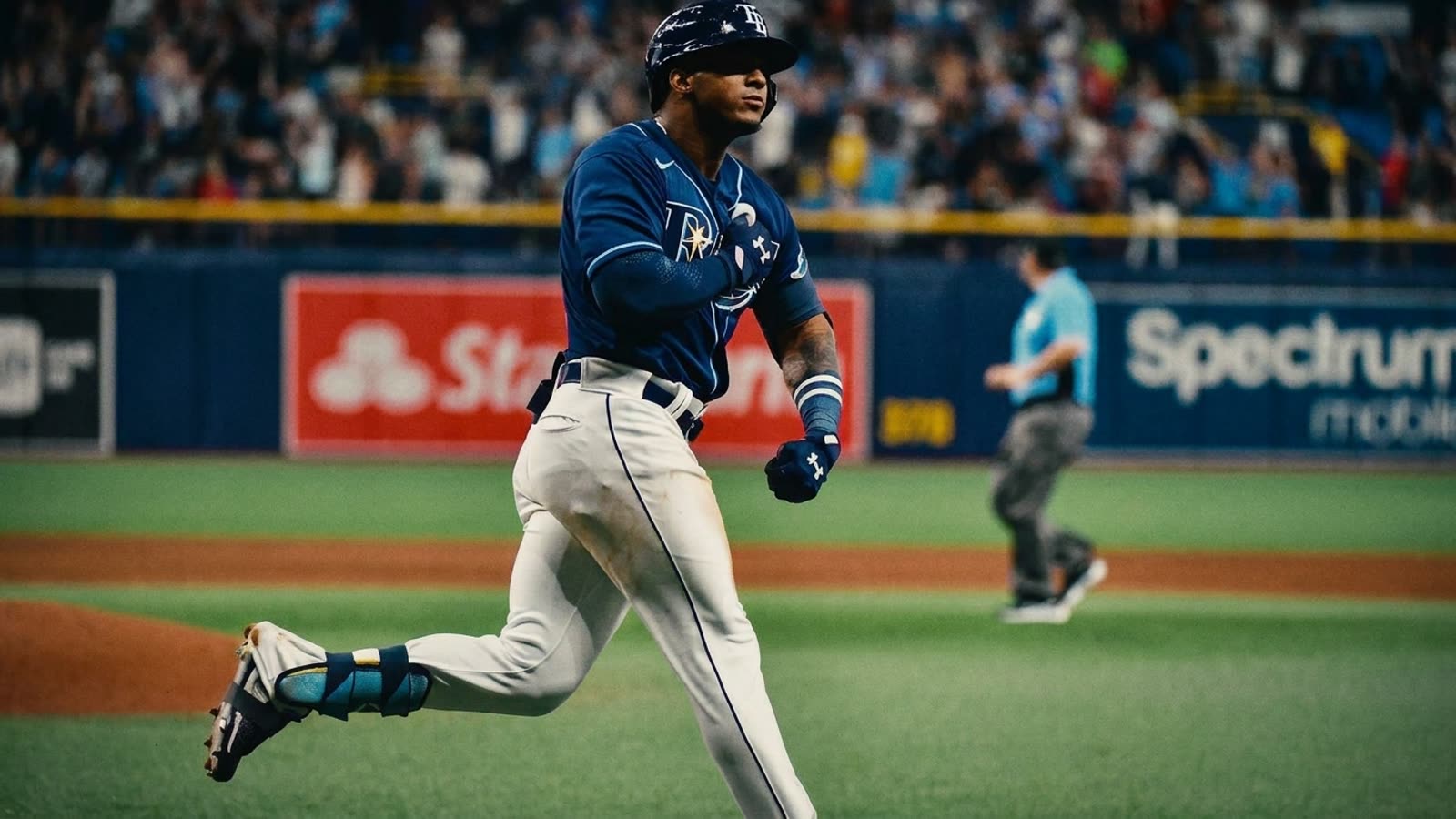
Wander Franco, the Tampa Bay Rays' 25-year-old shortstop who signed the richest contract in franchise history before his career truly began, remains in a holding pattern as questions swirl about his path back to the majors. The Dominican star's legal situation—involving allegations of relationships with minors that emerged in 2023—has kept him off the field while MLB conducted its own investigation parallel to proceedings in his home country.
The Talent Problem
Franco's predicament illuminates baseball's oldest tension: what happens when extraordinary ability collides with conduct that would end careers in less talent-scarce industries. The Rays invested $182 million in Franco when he was barely old enough to rent a car, betting on a switch-hitting prodigy who had drawn comparisons to the sport's all-time greats. That investment now sits in limbo, a sunk cost that creates perverse incentives for everyone involved to find a path forward.
The league's handling of similar cases offers little precedent. Trevor Bauer's indefinite administrative leave stretched for years. Marcell Ozuna returned relatively quickly after domestic violence charges. The inconsistency isn't a bug—it's a feature of a system designed to maximize flexibility for the commissioner's office while minimizing concrete accountability.
The International Dimension
Franco's case carries additional complexity because it originated in the Dominican Republic, where baseball's economic footprint creates power dynamics that American audiences rarely consider. The country produces roughly one in ten major leaguers, and the pipeline from buscones to academies to the big leagues represents one of the few reliable paths to prosperity for talented young Dominicans. This economic reality doesn't excuse anything, but it does explain why local institutions might handle cases involving MLB-bound stars differently than they would ordinary citizens.
MLB has spent decades benefiting from this system while maintaining plausible distance from its messier elements. Franco's situation forces that comfortable arrangement into the open.
Our take
Baseball will almost certainly find a way to get Wander Franco back on the field, because baseball always finds a way when the talent is sufficient. The sport's moral framework has never been about principles consistently applied—it's about risk management, public relations, and the cold calculus of wins and losses. Franco's eventual return, whenever it comes, will be framed as rehabilitation and second chances. It will actually be about a $182 million contract and a team that needs his bat. Everyone involved will pretend otherwise, and we'll all move on until the next case forces the same uncomfortable conversation.