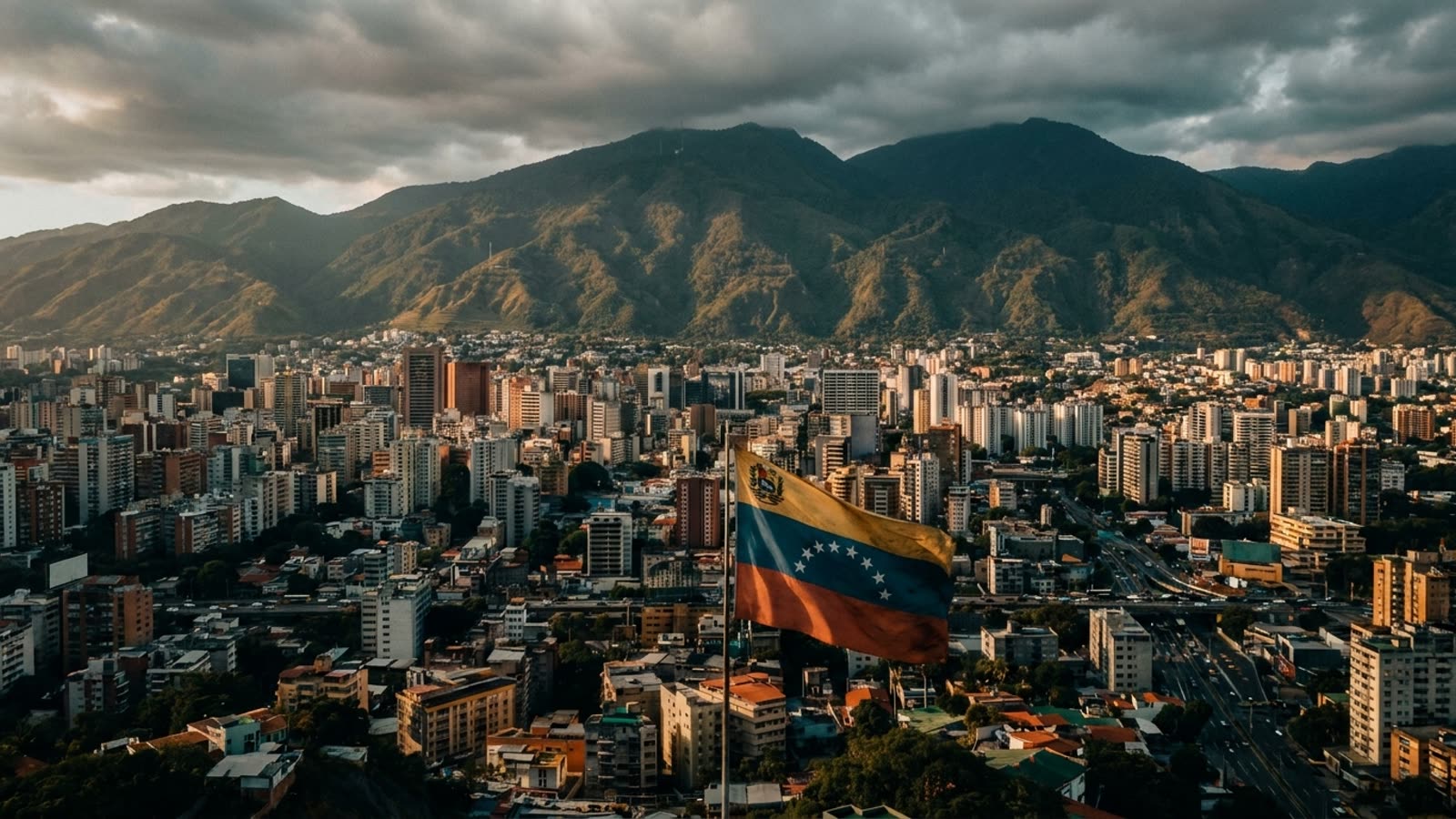
Nicolás Maduro has found a novel solution to an impending war-crimes investigation: leave the court before it can finish. Venezuela announced this week it would withdraw from the International Criminal Court, a move that will take effect in twelve months under the Rome Statute's rules. The decision arrives precisely as ICC prosecutors intensify their probe into Operation Tun-Tun and related police raids that have, by credible estimates, killed several thousand Venezuelans since 2024.
The arithmetic of Maduro's gambit is grimly straightforward. Caracas claims the raids have slashed violent crime—and by some metrics, they have. Homicide rates in the capital have dropped sharply; residents describe neighborhoods that were once no-go zones as eerily calm. But the price has been extrajudicial killing on a scale that human-rights groups compare to Rodrigo Duterte's drug war in the Philippines, another campaign that drew ICC scrutiny before Manila, too, withdrew from the court.
The legal clock
Withdrawal does not grant immediate immunity. The ICC retains jurisdiction over crimes committed while a state was a member, meaning the ongoing investigation can, in theory, continue. But enforcement becomes nearly impossible once Venezuela is outside the Rome Statute system. Arrest warrants would depend on third countries detaining Venezuelan officials—a scenario Maduro's government clearly views as remote, given the protection offered by allied capitals in Havana, Moscow, and Beijing.
The domestic trade-off
Inside Venezuela, the security gains are real enough to complicate the moral ledger. Families in Petare and other long-neglected barrios report being able to walk to work without fear of robbery for the first time in a generation. Maduro's approval ratings, while still dismal by democratic standards, have ticked upward among voters who prioritize personal safety over political freedoms. The regime is betting that tangible calm on the streets will outweigh abstract concerns about international law—a wager authoritarian leaders have won before.
Our take
The ICC was designed for exactly this scenario: a government that commits atrocities, then tries to outrun accountability. Venezuela's withdrawal is an admission that the court was getting uncomfortably close. Whether the investigation survives will depend on whether European and Latin American democracies treat Maduro's exit as a legal technicality or a red line. History suggests they will issue stern communiqués and do little else. Caracas is counting on it.