When Mauricio Pochettino tells his players that Wednesday's Round of 16 match against Bosnia and Herzegovina is like a World Cup final, he's deploying a familiar motivational trope. But the Argentine manager, rarely one for empty rhetoric, may actually be underplaying the moment.
The United States men's national team enters the knockout stage of a home World Cup with something more valuable than a favorable draw: genuine belief. After navigating a group stage that featured moments of brilliance and stretches of anxiety, the Americans face a Bosnian side that has exceeded expectations but lacks the tournament pedigree of the hosts. On paper, this is the path you'd design in a laboratory.
The weight of 2026
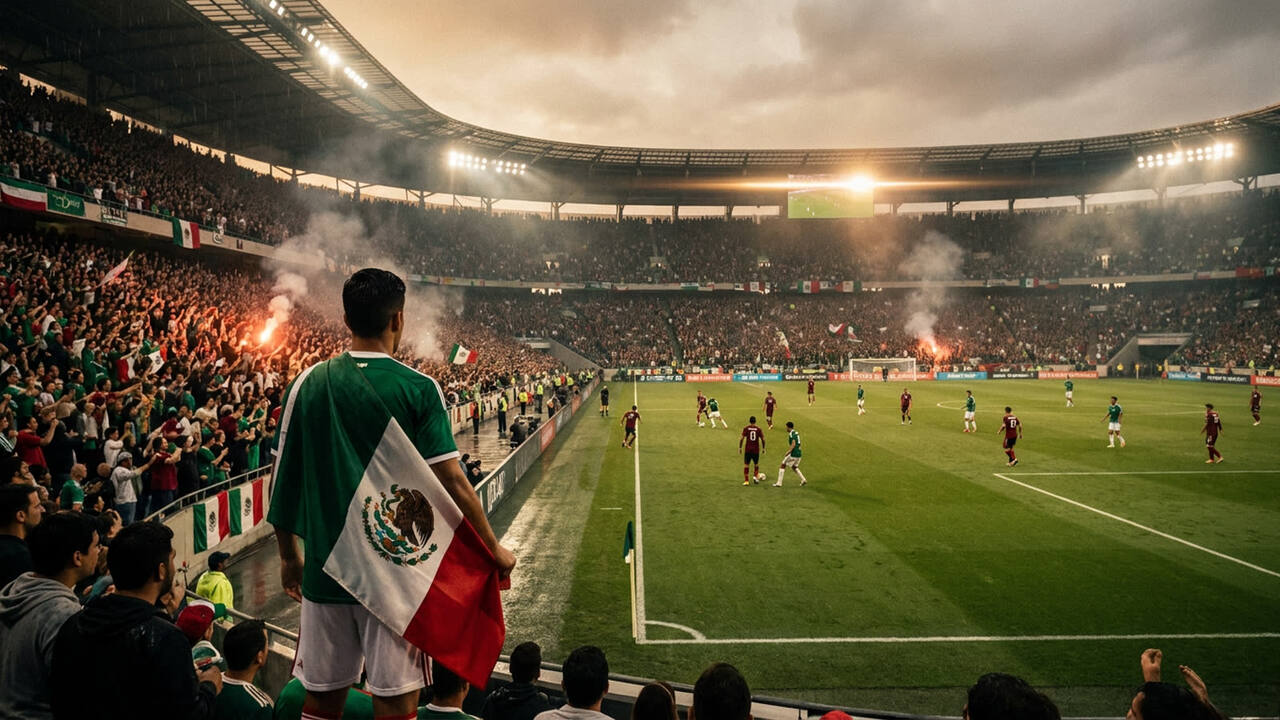
What Pochettino understands, and what his players are beginning to grasp, is that this match carries a burden no tactical preparation can fully address. The 2026 World Cup was sold to the American public as a coming-of-age party for the sport in this country. The infrastructure investments, the expanded stadiums, the corporate sponsorships—all were predicated on the assumption that the host nation would deliver performances worthy of the stage.
A Round of 16 exit to Bosnia would not be a catastrophe in isolation. Bosnia qualified on merit and features several players with top-flight European experience. But the optics would be devastating. The narrative of American soccer's inevitable rise would face its most serious stress test since the 2018 World Cup qualification failure.
Bosnia's quiet confidence
The Bosnians, for their part, arrive with nothing to lose and everything to prove. Their path through the group stage was marked by defensive discipline and opportunistic counterattacking—precisely the formula that has historically troubled American sides. Manager Sergej Barbarez has built a team that thrives on being underestimated, and they've drawn energy from the perception that they're merely an obstacle on the host nation's predetermined path to glory.
The tactical matchup favors the team that can control tempo. Pochettino's preference for high-pressing, possession-based football will be tested against a side comfortable sitting deep and absorbing pressure. The American midfield's ability to break down organized defenses—a persistent question mark throughout qualification—becomes the central drama.
Our take
Pochettino's framing is strategically sound but emotionally incomplete. This isn't just a final for the tournament; it's a final for a generation of American players who were promised that 2026 would be their moment. The weight of that promise, combined with the pressure of performing before a home crowd that has waited decades for this opportunity, creates conditions that no training session can replicate. Bosnia will play free. America will play burdened. How Pochettino manages that psychological asymmetry may matter more than any formation he deploys.