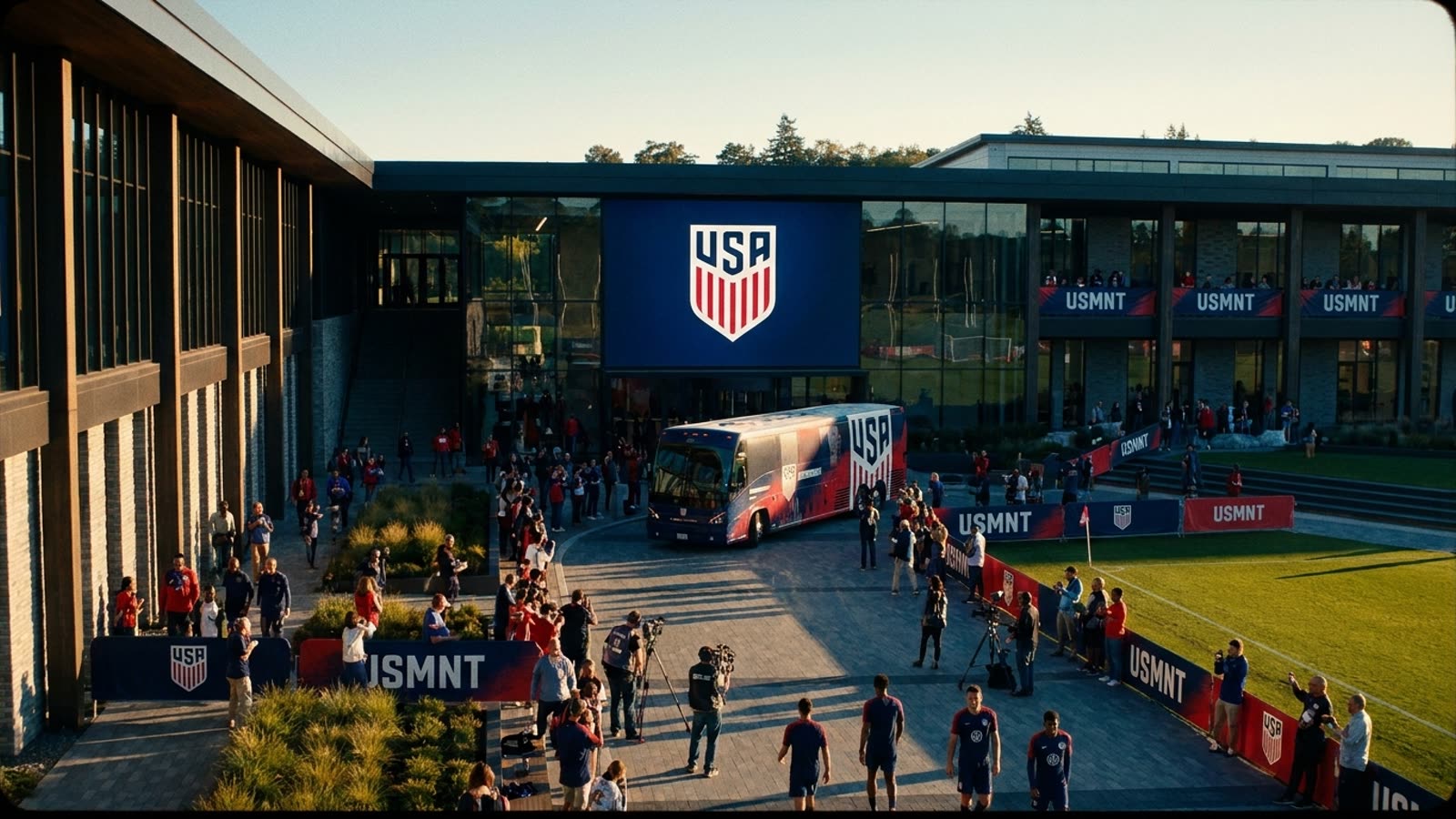
The United States men's national team enters its home World Cup with something it has never possessed at a major tournament: a credible statistical argument for winning the whole thing.
This is not jingoistic delusion. The numbers—possession efficiency, expected goals differential, defensive solidity metrics—paint a picture of a squad that has quietly assembled the pieces required for a deep run. Christian Pulisic is playing the best football of his career. Weston McKennie has transformed from a useful cog into a genuine midfield controller. The backline, long American soccer's Achilles heel, has conceded fewer goals per match in 2026 than any USMNT defense in the modern era.
The favorable arithmetic
Thirteen statistical markers point toward American competitiveness at the highest level. The squad's pressing intensity ranks in the top five globally. Set-piece conversion rates have improved dramatically under Gregg Berhalter's refined system. Perhaps most crucially, the depth chart no longer features a precipitous drop-off after the starting eleven—a chronic American vulnerability that opposing managers have exploited for decades.
The draw has cooperated as well. The United States avoided the group of death entirely, landing instead in a bracket that offers a plausible path to the quarterfinals without facing a traditional powerhouse. From there, anything becomes possible in knockout football.
The weight of seventy million eyes
Yet statistics cannot capture the peculiar psychology of host-nation tournaments. Brazil in 2014 entered as heavy favorites, backed by home support and a squad dripping with talent, only to suffer the most humiliating defeat in World Cup history against Germany. France in 2016 reached the European Championship final on home soil before collapsing against Portugal. The pattern repeats across decades: expectation metastasizes into paralysis.
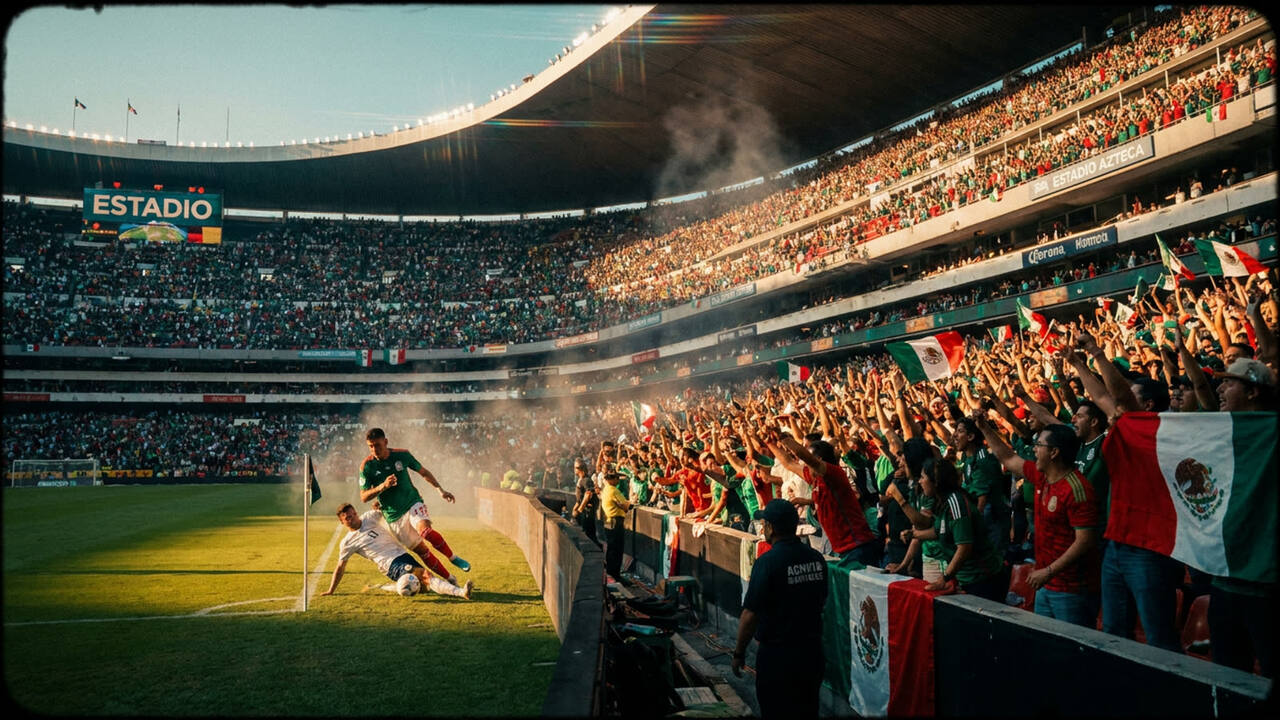
American soccer has never experienced this particular pressure. Previous World Cups on home soil—1994—came before the sport had penetrated mainstream consciousness. This time, the nation will actually be watching, actually caring, actually expecting. The players will feel every nervous cough in every stadium.
Our take
The statistical case is real, and dismissing it would be intellectually dishonest. This is the best American squad ever assembled, operating in the most favorable conditions the program has ever enjoyed. But World Cups are not won on spreadsheets. They are won by players who can think clearly when seventy million compatriots are holding their breath. The USMNT has the talent to win this tournament. Whether it has the nerve remains genuinely unknowable until the knockout rounds begin.