The 2026 FIFA World Cup was supposed to be America's moment to prove it could host the world's biggest sporting event with open arms. Instead, Washington is reminding everyone that geopolitics doesn't take a timeout for football.
The State Department confirmed this week that it is maintaining strict travel restrictions on Iranian nationals seeking to attend World Cup matches, even as both nations remain alive in the tournament and could meet in the knockout rounds. The restrictions apply to fans, journalists, and certain officials, requiring enhanced vetting that can take months — effectively barring most Iranians from attending on short notice. American officials say discussions with FIFA are ongoing, but the message is clear: some guests are more welcome than others.
A tournament built on universality, hosted by a nation with exceptions
FIFA awarded the 2026 World Cup to the United States, Canada, and Mexico on the explicit promise that all participating nations would have equal access. That promise is now being tested. Iran qualified for the tournament on sporting merit, and its fans have as much right to be in the stands as anyone else — at least according to FIFA's rules. But American immigration law doesn't answer to Zurich, and the Biden administration's successor has shown no appetite for carving out exceptions.
The irony is thick. The United States spent years lobbying for this tournament, arguing it had the infrastructure, the stadiums, and the hospitality to welcome the world. Now it's telling a portion of that world to watch from home. Iranian supporters who saved for years to see their team play in America are discovering that their tickets are worthless without visas that may never come.
The ghost of 1998 — and 2022
American and Iranian footballers have met before under fraught circumstances. Their 1998 World Cup group-stage match in France became an unexpected moment of goodwill, with players exchanging flowers and handshakes. In 2022, they met again in Qatar, this time amid protests in Iran and pointed questions about whether American players would shake hands at all. The United States won that match; the politics were declared a draw.
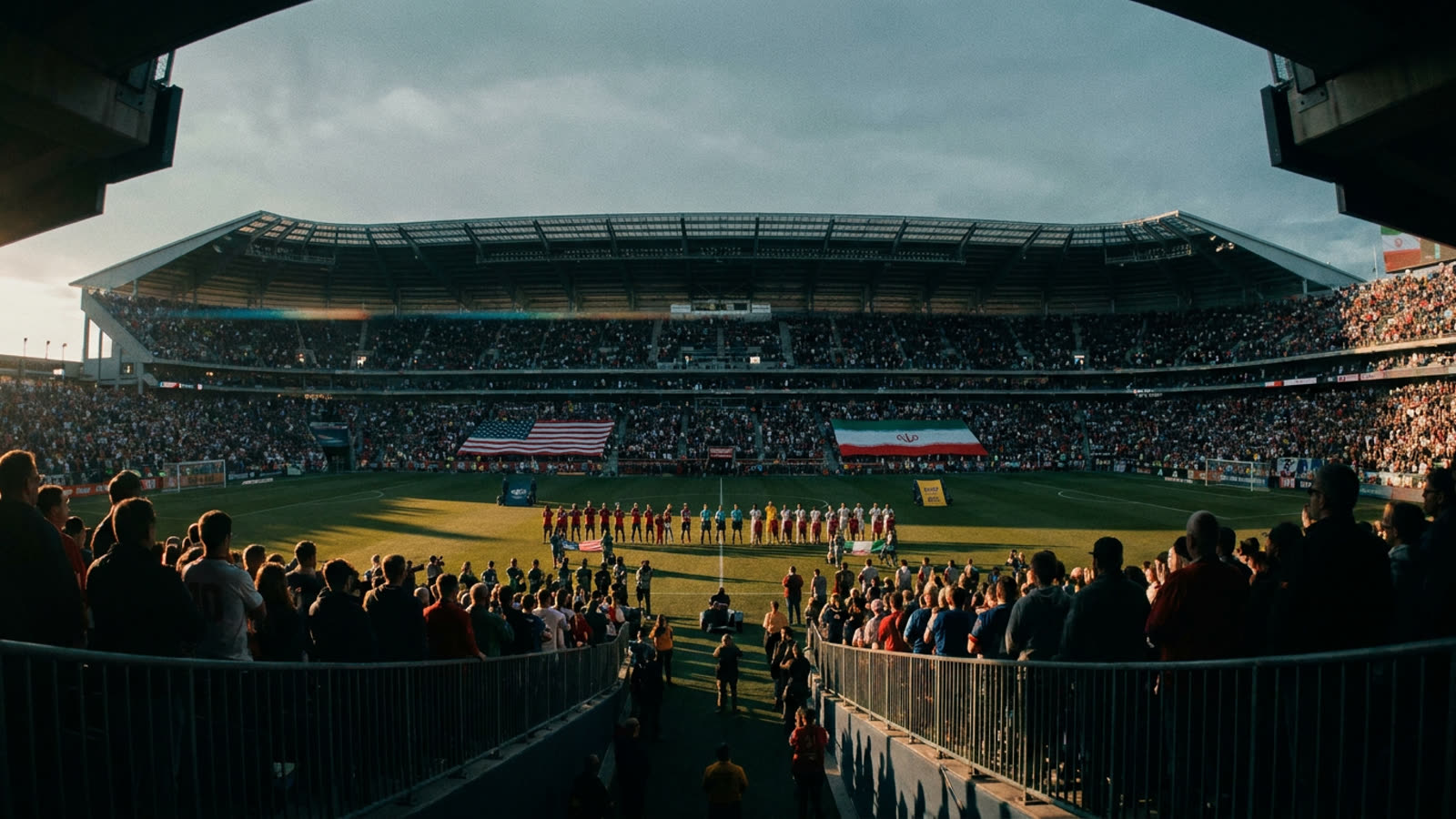
A 2026 meeting would carry even heavier baggage. With matches potentially taking place on American soil, the optics of Iranian fans being absent — not by choice but by bureaucratic exclusion — would be impossible to ignore. FIFA has reportedly pressed Washington for assurances, but the federation's leverage is limited. It cannot force a sovereign nation to change its visa policies, and it will not relocate matches to Canada or Mexico over the issue.
Our take
There is no clean answer here. The United States has legitimate security concerns, and immigration policy is not FIFA's to dictate. But hosting a World Cup is a contract with the world, and selective hospitality undermines the entire premise. If Washington wanted to keep certain nations at arm's length, it probably shouldn't have bid for the tournament. Now it's stuck explaining why the beautiful game comes with an asterisk.