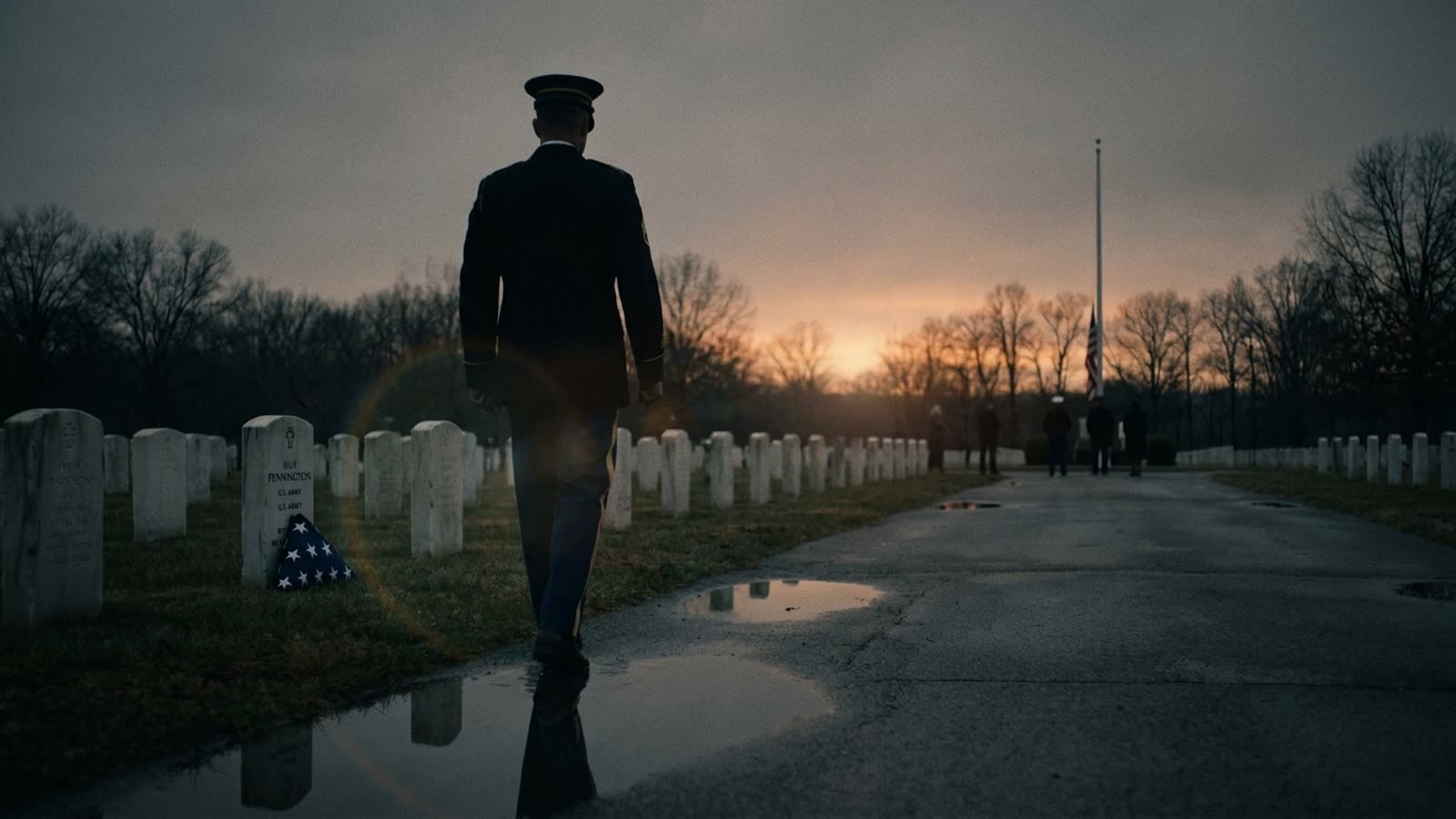
The diplomatic theater surrounding a potential Iran deal has consumed Washington's attention for days, but somewhere between the leaked negotiation frameworks and senatorial grandstanding, a quieter story has gone largely untold: thirteen American service members have been killed since hostilities began, and the country has barely paused to learn their names.
This is not a failure of patriotism so much as a symptom of how modern conflicts unfold in the attention economy. The Iran war—if we're permitted to call it that without the formal congressional declaration that never came—has been prosecuted at a pace and scale designed to minimize domestic political friction. Drone strikes, special operations, and standoff munitions have kept American boots largely off foreign soil and American casualties out of the nightly news. The strategy has worked, in the narrow sense that most Americans could not name the theater of operations where these thirteen died.
The fallen, briefly
The dead include helicopter crews, special operators, and at least two service members killed in what the Pentagon has described only as "indirect fire" incidents—a euphemism capacious enough to cover everything from mortar attacks to friendly fire. Their ages range from 21 to 39. They came from Texas, Ohio, California, Georgia, and points between. Several were on their third or fourth deployments. One leaves behind three children under the age of ten.
Their deaths have been announced in terse Pentagon releases, typically late on Friday afternoons, the traditional graveyard shift for news the government would prefer not to trend. Local newspapers in their hometowns have run obituaries. National coverage has been sporadic, often relegated to the bottom of war roundups dominated by Iranian missile counts and oil price movements.
A war without a home front
The muted response reflects a broader truth about American military engagement in the 2020s: the all-volunteer force has severed the civic connection between warfare and the general public. Fewer than one percent of Americans serve in uniform. The communities that supply the military—often rural, often economically distressed—bear the burden of sacrifice while the rest of the country debates the geopolitical merits of intervention in the abstract.
This dynamic is not new, but the Iran conflict has accelerated it. The war began without a clear casus belli that resonated with the public, escalated through a series of tit-for-tat strikes that felt more like a video game than a campaign, and may now end with a negotiated settlement that leaves the underlying tensions unresolved. Throughout, the human cost has been treated as a rounding error in the strategic calculus.
Our take
Peace, if it comes, will be welcome. But the speed with which Washington pivots from war to deal-making suggests an uncomfortable truth: these thirteen deaths were always priced in. The political class has learned to wage wars that don't interrupt the news cycle, and the public has learned not to ask too many questions. That bargain may be sustainable, but it is not honorable. The least we owe the dead is their names in the national memory—not as statistics in a Pentagon brief, but as Americans who answered a call their country could barely be bothered to explain.