The peculiar logic of geopolitical risk pricing was on full display this week as oil climbed and equities drifted sideways following the announcement that the United States and Iran had agreed to pause direct military strikes. In any rational universe, a ceasefire would calm markets. In this one, traders are reading the tea leaves and finding only more questions.
Crude futures rose more than two percent in early trading, with Brent pushing toward $87 per barrel. The move reflects not relief but skepticism—a bet that the current détente is merely an intermission before the next escalation. Oil markets have learned, painfully, that Middle Eastern ceasefires tend to be commas rather than periods.
The supply anxiety beneath the surface
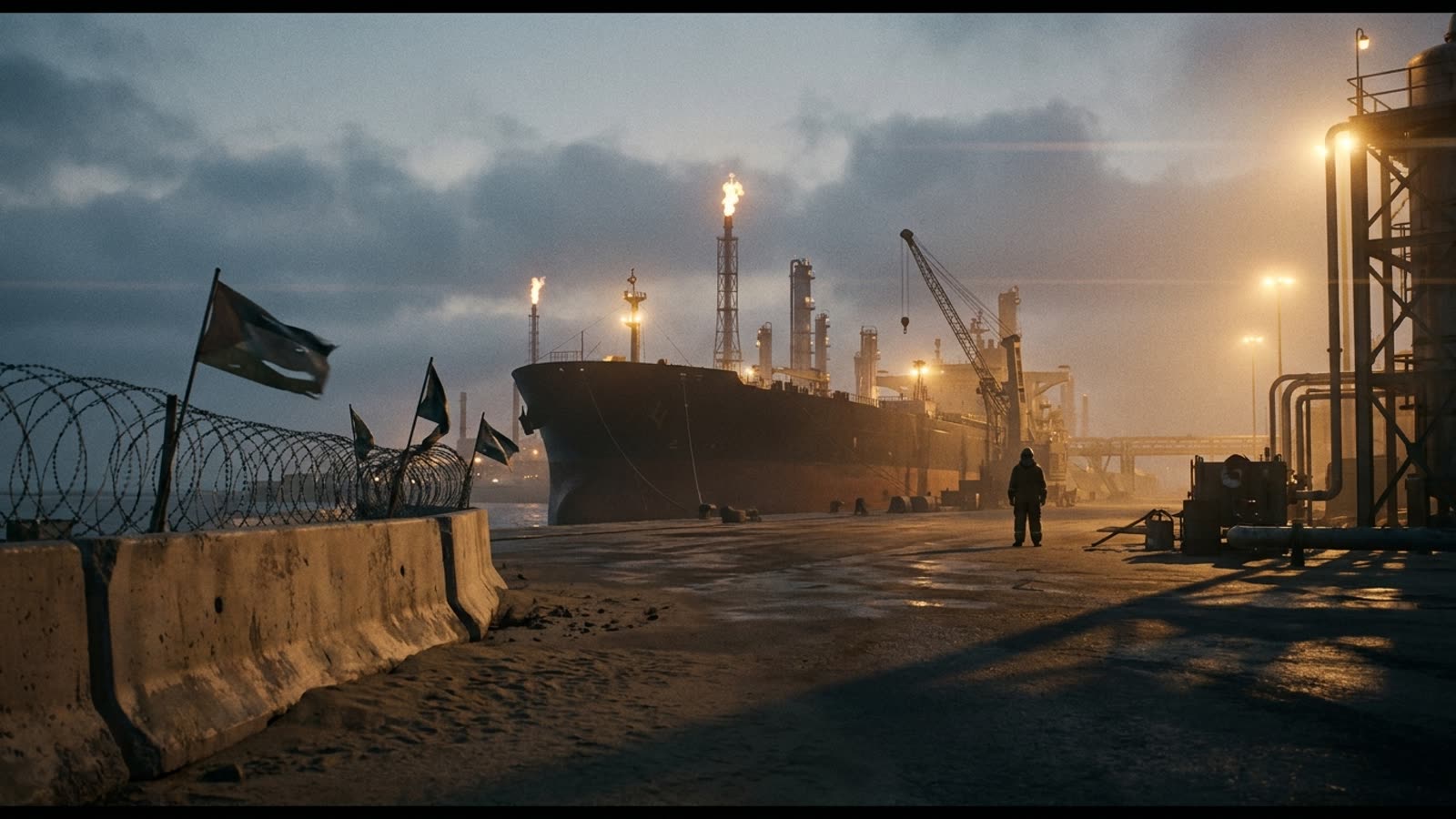
The rally in crude prices speaks to a market that has spent months pricing in the possibility of a wider regional conflict. Iranian oil exports, already constrained by sanctions, could face further disruption if hostilities resume. More critically, any threat to Strait of Hormuz shipping lanes—through which roughly twenty percent of global oil transits daily—would send prices into triple digits almost immediately.
Traders are also watching secondary effects. Saudi Arabia and the UAE have maintained careful neutrality, but their production decisions in coming weeks will signal whether OPEC+ views the ceasefire as durable enough to warrant any supply adjustments. For now, the cartel appears content to let prices drift higher.
Equities caught in the crosscurrents
Stock markets, meanwhile, are struggling to find direction. The S&P 500 closed essentially flat, with gains in energy shares offset by weakness in rate-sensitive sectors. The problem for equity investors is that oil's rise, while good for Exxon, is bad for nearly everyone else—airlines, logistics companies, manufacturers, and ultimately consumers.
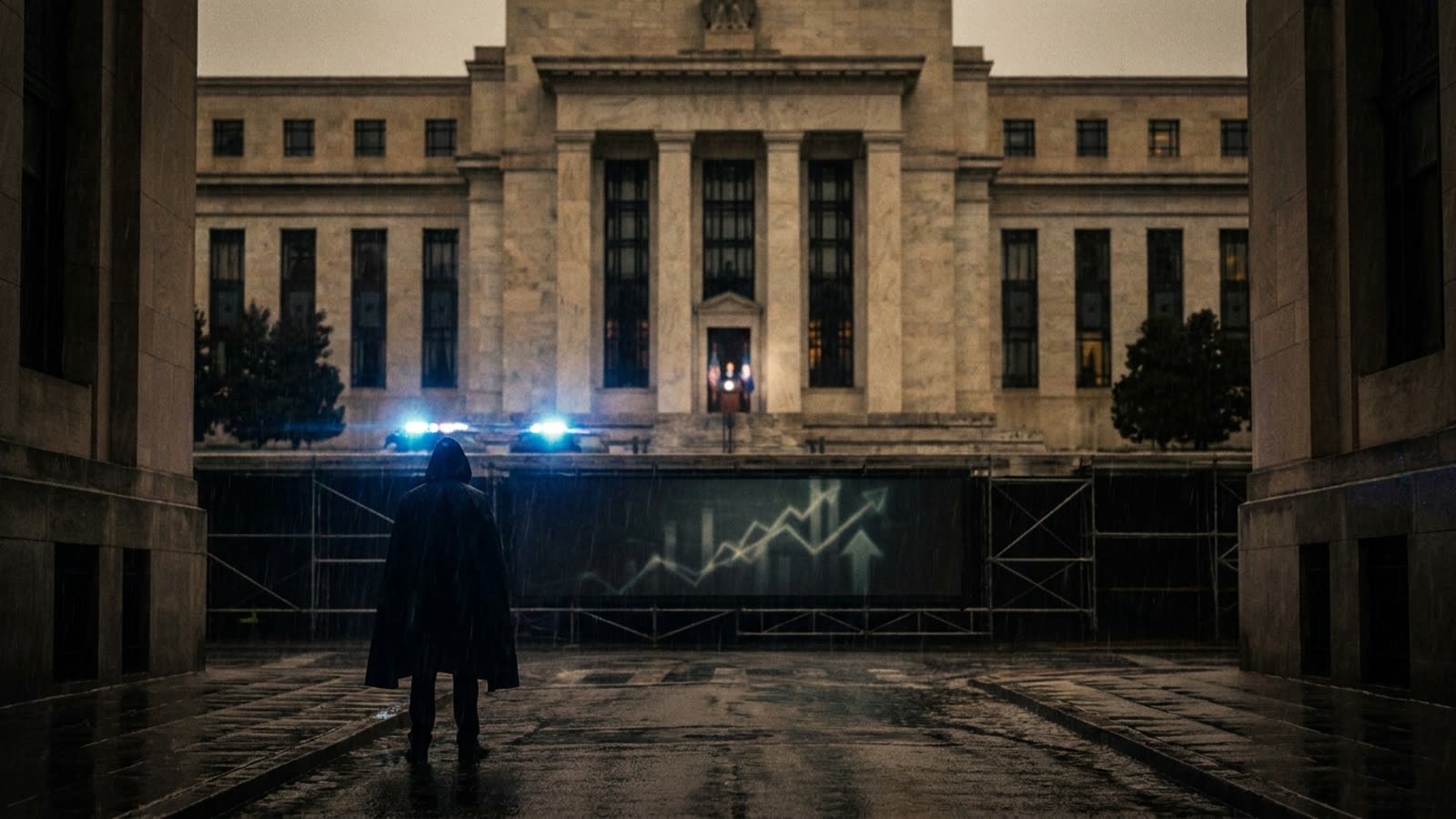
There's also the Federal Reserve factor. Higher oil prices feed into inflation expectations, which could delay the rate cuts that equity bulls have been anticipating. The bond market seems to agree: ten-year Treasury yields ticked up slightly, suggesting fixed-income traders see the ceasefire as inflationary rather than stabilizing.
Our take
The market's schizophrenic reaction to a nominal peace agreement tells you everything about the current moment. Investors have become so conditioned to expect the worst that good news is interpreted primarily through the lens of what could go wrong next. Oil's rally is a hedge against optimism; equities' paralysis is an admission that nobody knows what comes after the pause. The only certainty is that this ceasefire, like most, will be tested—and markets will price that test long before it arrives.