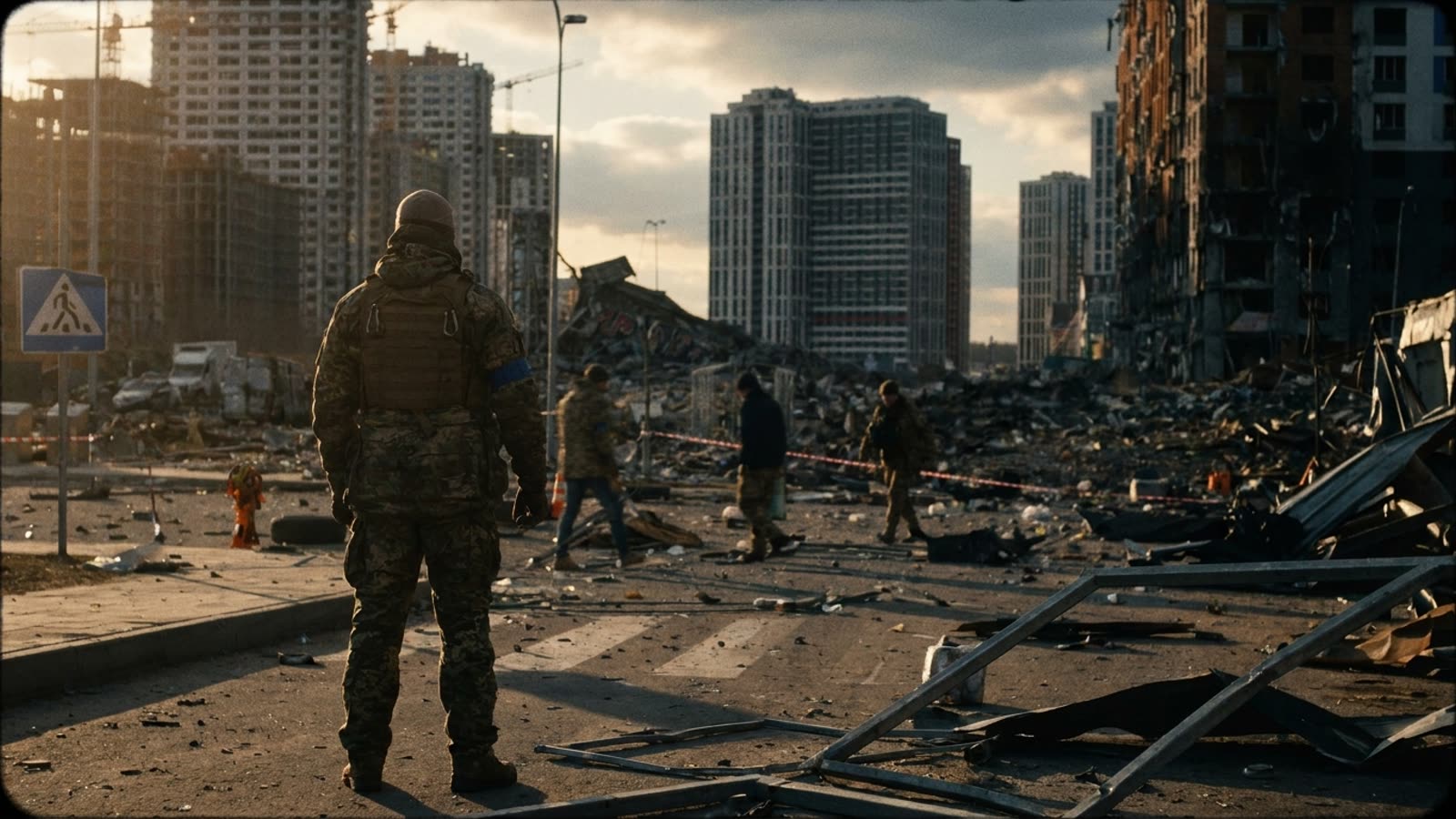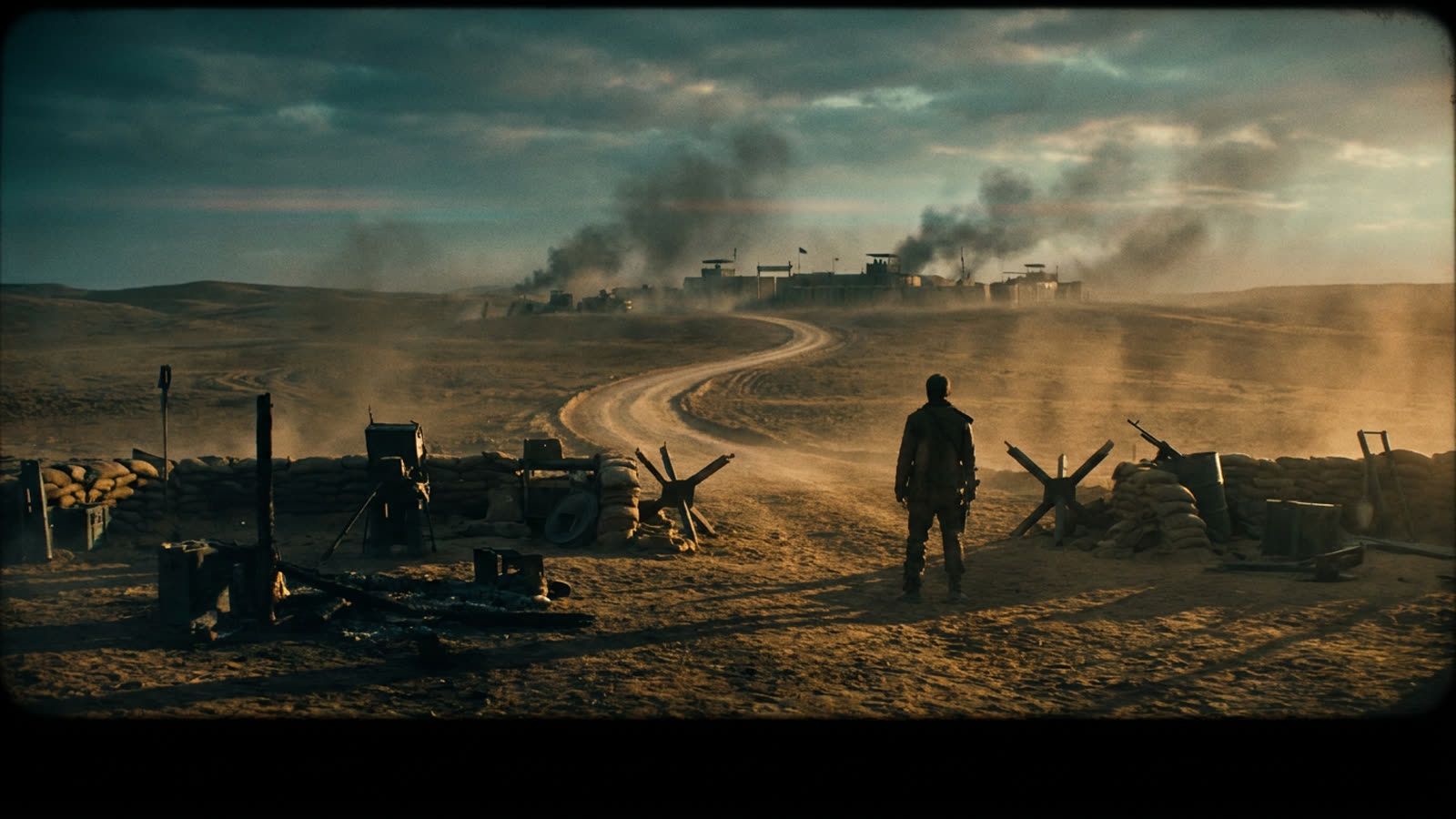
The shaky ceasefire between the United States and Iran has collapsed with the speed and predictability of a house of cards in a wind tunnel. Less than two days after what was billed as a diplomatic breakthrough, both nations have resumed trading strikes, each blaming the other for violations while quietly advancing military objectives that were never really paused.
The pattern is now unmistakable: announce a ceasefire, claim credit for de-escalation, then resume operations under the cover of "defensive responses" to alleged provocations. It is a choreography familiar from conflicts past, but rarely executed with such transparent cynicism.
The anatomy of a 48-hour peace
The ceasefire, announced with considerable fanfare, was always more aspiration than agreement. Neither side published binding terms. No neutral monitors were deployed. No mechanism existed for adjudicating violations. What remained was a gentleman's agreement between parties who had spent months demonstrating they were anything but gentlemen.
The first reported violation came within hours, though accounts differ on who fired first. By the second day, the question had become academic. Both militaries were conducting operations at roughly the same tempo as before the pause, with press offices working overtime to frame each strike as a proportionate response to the other's aggression.
Why neither side wants off this train
The conventional wisdom holds that wars end when the costs exceed the benefits for at least one combatant. By that logic, the U.S.-Iran conflict should be approaching some kind of inflection point. Energy markets are in turmoil. Regional allies are nervous. Domestic populations on both sides are weary.
Yet the calculus for decision-makers appears different. For Tehran, continued resistance projects strength to regional proxies and domestic hardliners who would view genuine capitulation as regime-threatening weakness. For Washington, the administration has framed the conflict in terms that make anything short of Iranian submission look like defeat.
The result is a conflict with no obvious off-ramp, where ceasefires function not as stepping stones to peace but as brief intermissions allowing both sides to reload.
The diplomatic theater continues
Negotiators from both countries remain nominally in contact, and officials continue to reference "progress" in talks. But the substance of these discussions remains opaque, and the gap between public optimism and military reality grows wider by the day. Third-party mediators have found themselves marginalized, their proposals acknowledged politely and then ignored.
The international community has issued the expected statements of concern, but meaningful pressure on either party to de-escalate has been notably absent. Regional powers are hedging, calculating that picking the wrong side in an unresolved conflict carries greater risk than strategic ambiguity.
Our take
The collapse of this ceasefire is less a failure than a revelation. It demonstrates that the current conflict serves purposes for both governments that peace does not. Until the domestic political incentives shift—until continued fighting becomes more costly than compromise—expect more ceasefires, more collapses, and more carefully worded statements expressing hope for a resolution that neither side is actually pursuing. The war continues not despite diplomacy but alongside it, each serving as cover for the other.