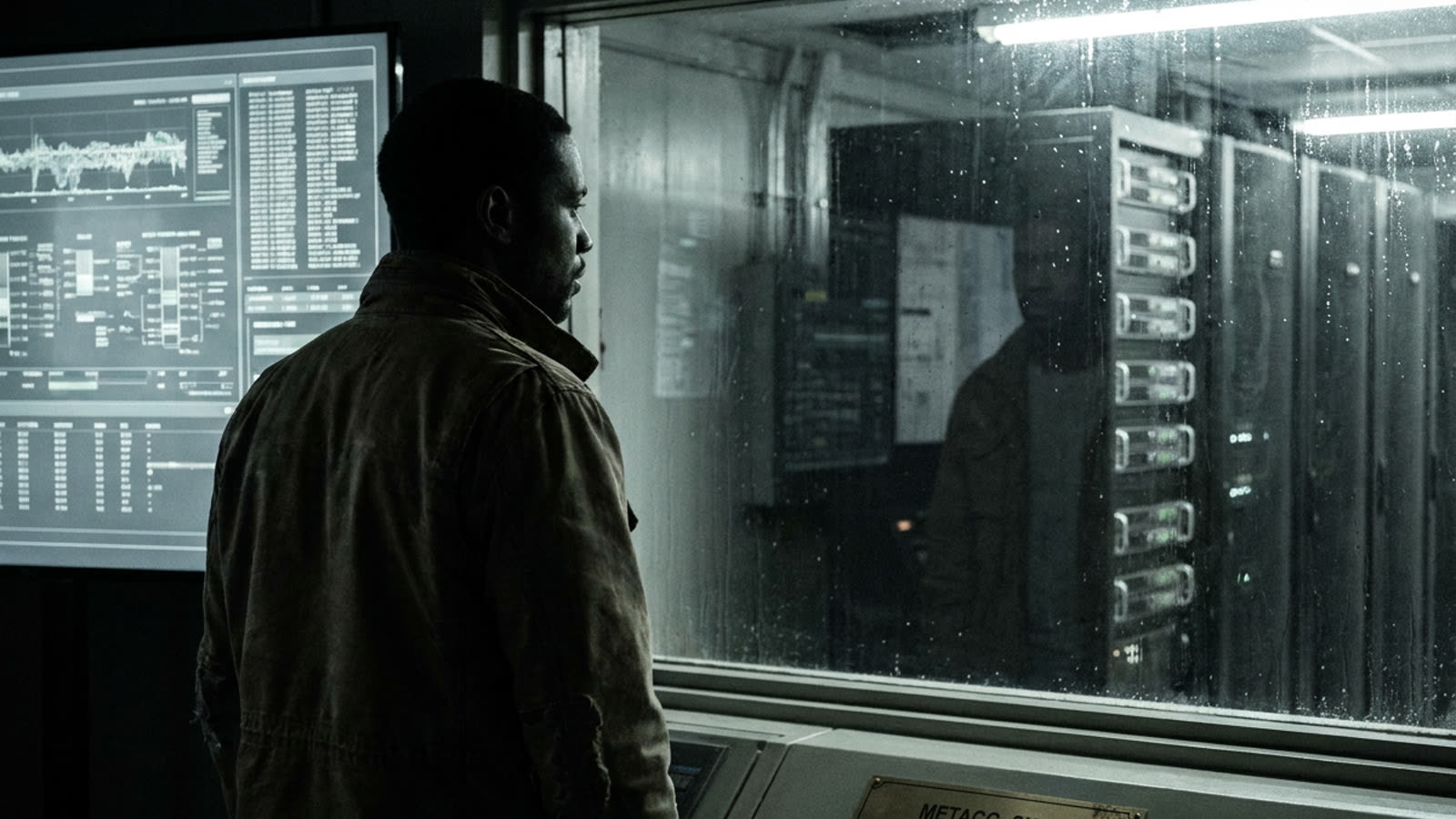
The United States government has disclosed yet another significant cybersecurity breach, adding to a dispiriting catalog of intrusions that now stretches back decades. The announcement arrives with the weary familiarity of a recurring nightmare—different attackers, different entry points, same fundamental outcome.
What makes this latest incident notable is not its novelty but its utter predictability. Federal agencies continue to operate sprawling networks built on legacy systems, maintained by underpaid contractors, and defended by bureaucracies that move at geological speed while adversaries iterate in days. The breach is less a failure of any single security measure than a systemic indictment of how Washington approaches digital infrastructure.
The structural problem
Federal cybersecurity suffers from a coordination paradox. Responsibility is distributed across dozens of agencies, each with its own IT fiefdoms, procurement timelines, and risk tolerances. The Cybersecurity and Infrastructure Security Agency exists precisely to impose coherence on this chaos, yet its authority remains largely advisory. Agencies can—and do—ignore recommendations for years.
Meanwhile, the government's talent pipeline runs dry. Private sector salaries for skilled security engineers dwarf federal pay scales, and the clearance process can take longer than some startups exist. The result is a workforce stretched thin, defending critical systems against nation-state actors with essentially unlimited resources and patience.
The accountability vacuum
After each breach, the ritual unfolds identically: congressional hearings, stern statements, promises of reform, and eventually, quiet return to business as usual. No agency head loses their job over cybersecurity failures. No budget gets meaningfully restructured. The political incentives simply do not align with the technical requirements.
This creates a perverse equilibrium. Spending on cybersecurity continues to rise—billions annually—yet outcomes do not improve proportionally. The money flows toward compliance checkboxes and vendor contracts rather than fundamental architectural changes that might actually reduce attack surfaces.
Our take
The honest assessment is grim: the US government will continue to get hacked, repeatedly and consequentially, until cybersecurity becomes a genuine political priority rather than a post-breach talking point. That would require accepting short-term costs—system downtime, procurement delays, workforce restructuring—for long-term resilience. Nothing in Washington's recent history suggests such discipline is forthcoming. The breaches are not aberrations; they are the predictable output of a system designed to produce exactly this result.