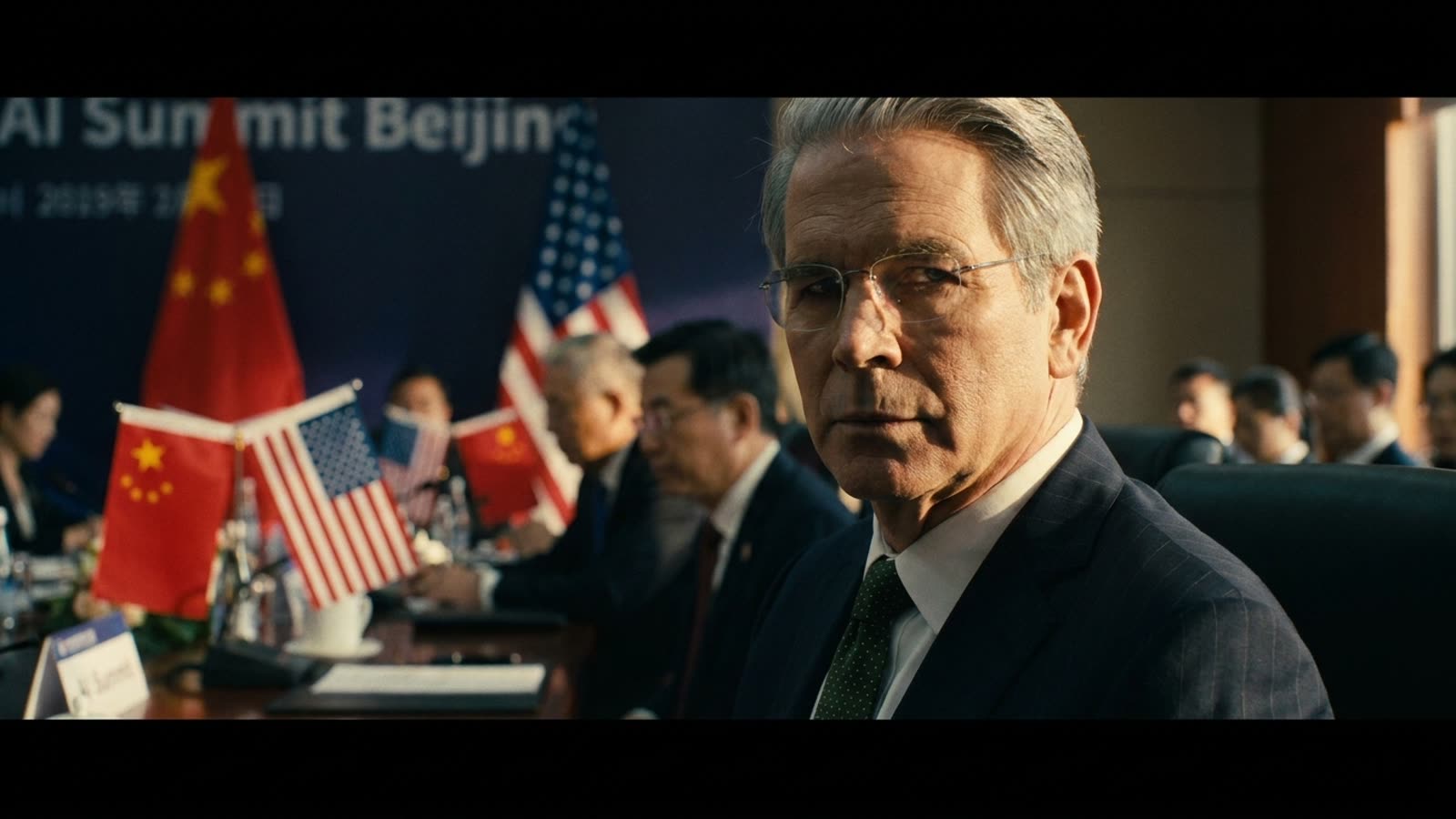
For years, the prospect of U.S.-China dialogue on artificial intelligence safety has been the diplomatic equivalent of a unicorn: frequently invoked, never sighted. That changed in Beijing this week when Treasury Secretary Scott Bessent confirmed that the two nations will begin formal discussions on AI safety, though he offered no timeline and fewer details.
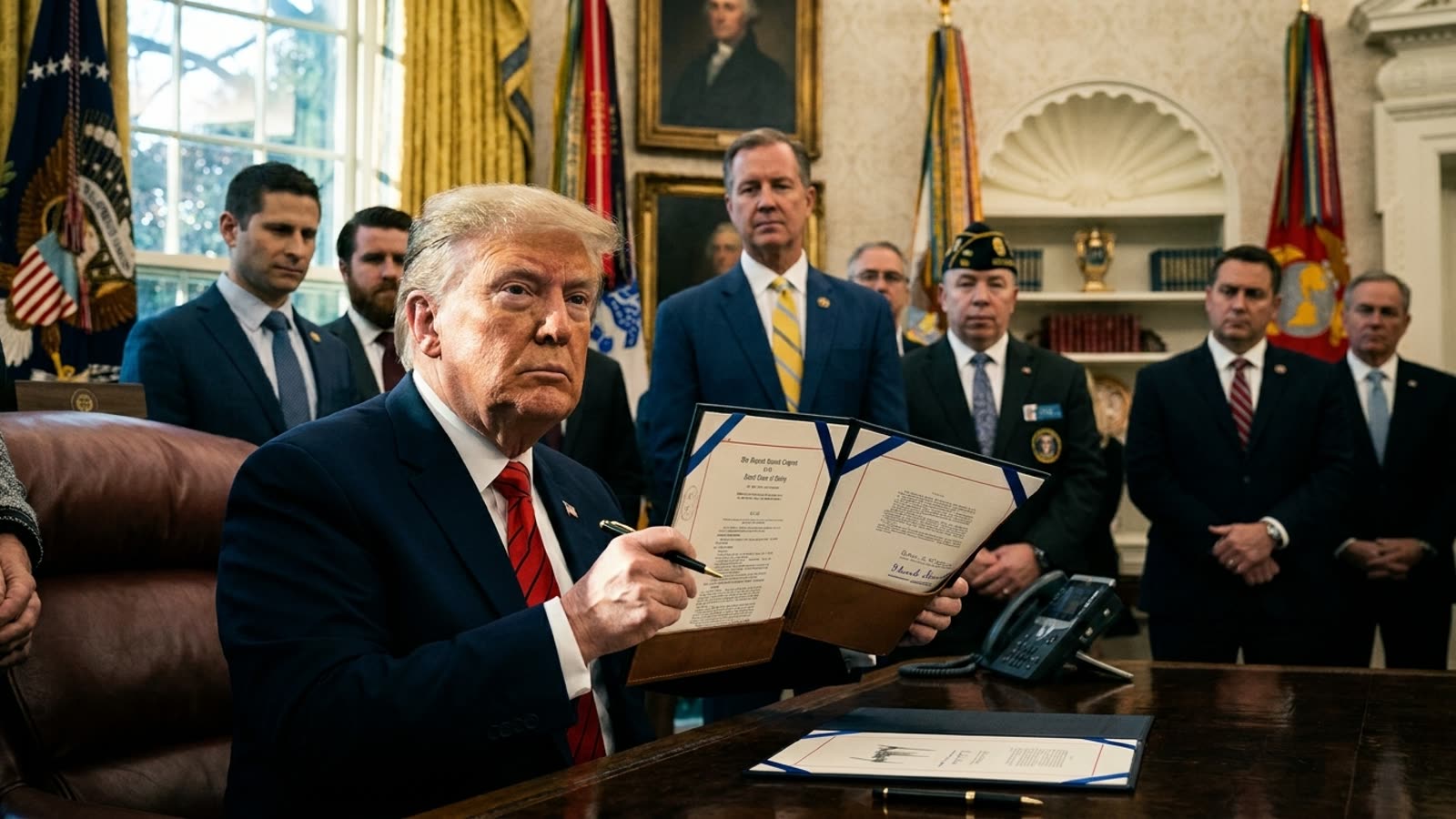
The announcement arrived during President Trump's summit with Xi Jinping, a meeting otherwise dominated by tariffs, Boeing jets, and the usual choreography of great-power summitry. But tucked between the trade theatrics was something genuinely novel: an admission, however grudging, that AI presents risks neither country can manage alone.
The strategic calculus
Both Washington and Beijing have spent the past three years treating AI supremacy as a zero-sum contest, pouring hundreds of billions into foundation models, chip manufacturing, and talent acquisition. The U.S. has weaponized export controls to throttle China's access to advanced semiconductors; China has responded by accelerating domestic alternatives and stockpiling Nvidia hardware before each new restriction takes effect.
Yet beneath the competition lies a shared anxiety. American officials worry about AI-enabled bioweapons, autonomous military systems, and the societal disruption of artificial general intelligence. Their Chinese counterparts harbor similar concerns, compounded by fears that a poorly aligned superintelligence could prove as destabilizing to the Communist Party as any foreign adversary. The problem is that neither side trusts the other enough to pump the brakes.
What talks might actually achieve
Expectations should remain modest. The most plausible near-term outcomes involve information-sharing on AI incidents, mutual notification protocols for frontier model deployments, and perhaps a joint statement on prohibited applications like autonomous nuclear launch authority. None of this requires either country to sacrifice competitive position; all of it reduces the odds of catastrophic miscalculation.
More ambitious goals—binding compute thresholds, international inspection regimes, coordinated pause agreements—remain fantasy for now. The verification challenges alone are staggering: how do you confirm that a rival's data center isn't secretly training a model you agreed to prohibit?
Our take
Bessent's announcement is less a breakthrough than a permission slip. It signals that discussing AI safety with Beijing is no longer politically radioactive in Washington, which matters more than any specific agenda item. The real test comes later: whether these talks produce anything beyond photo opportunities, and whether either government proves willing to accept constraints on a technology both consider essential to national power. History suggests skepticism is warranted. But history also reminds us that arms control once seemed impossible until it wasn't.