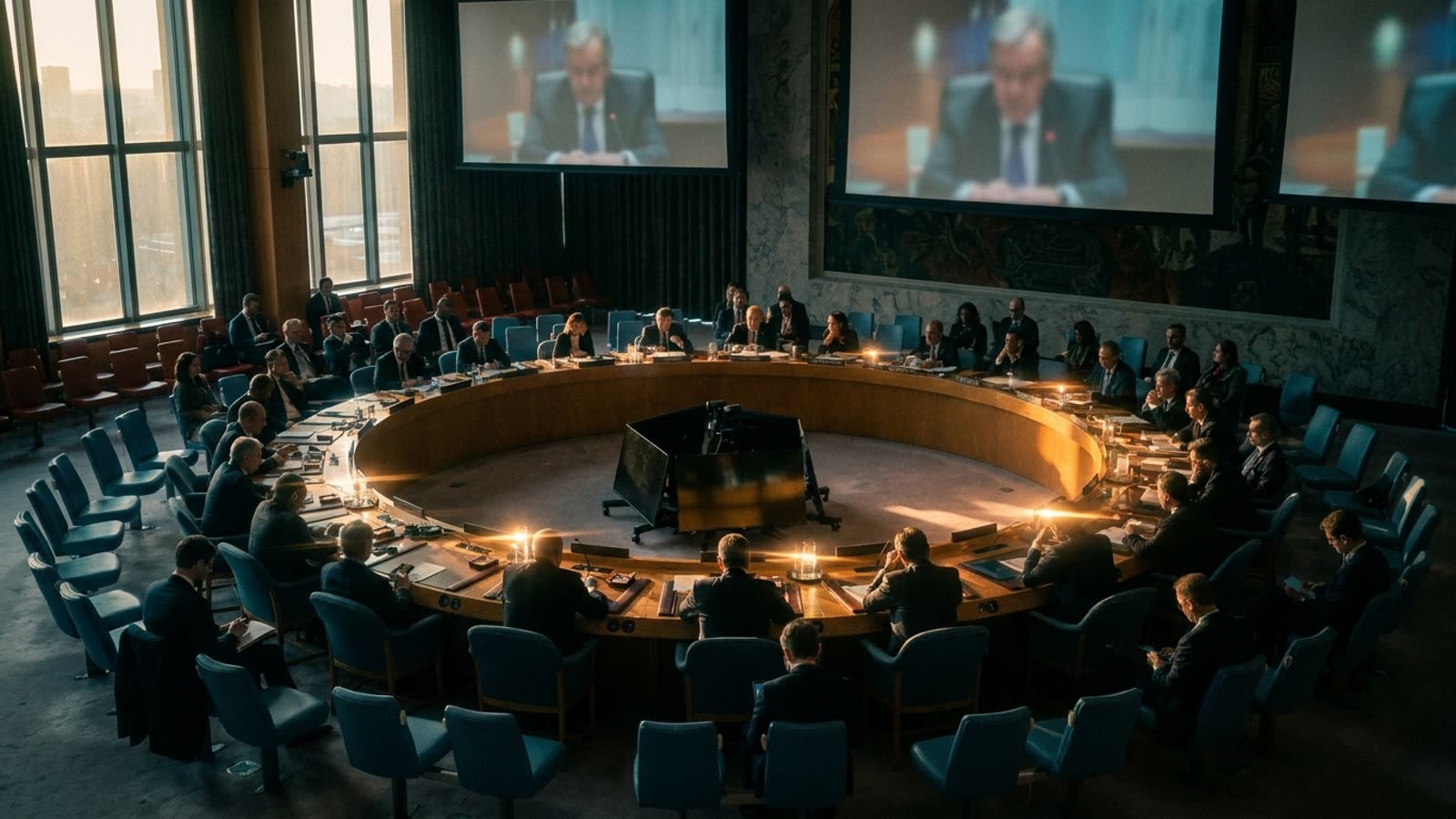
The United Nations Security Council has done something unusual: it has spoken with something approaching unanimity on the Israeli presence in southern Lebanon, with member states calling for withdrawal in terms that would have seemed diplomatically unthinkable six months ago. The timing, as ever with the Security Council, is exquisite in its irrelevance.
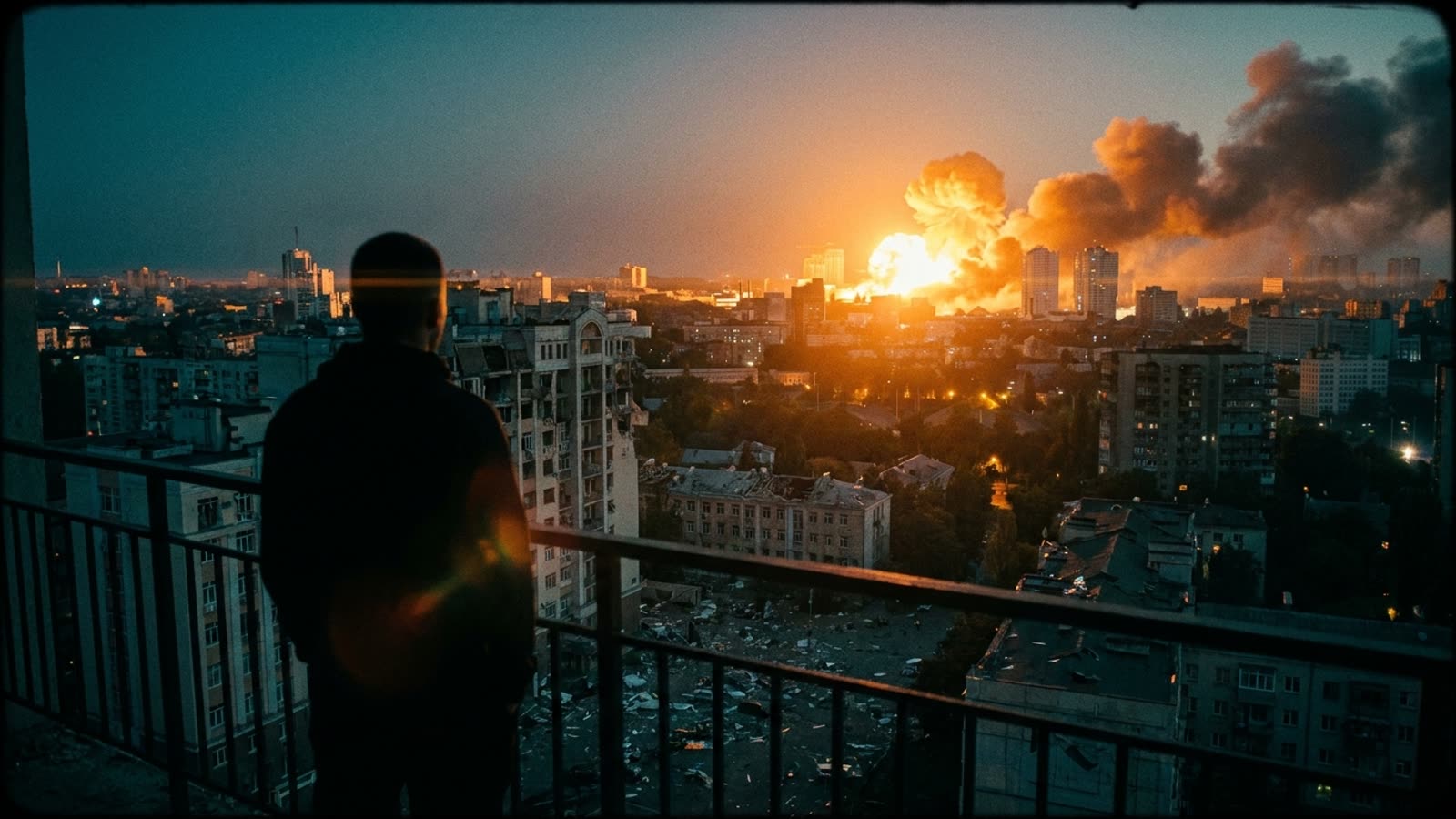
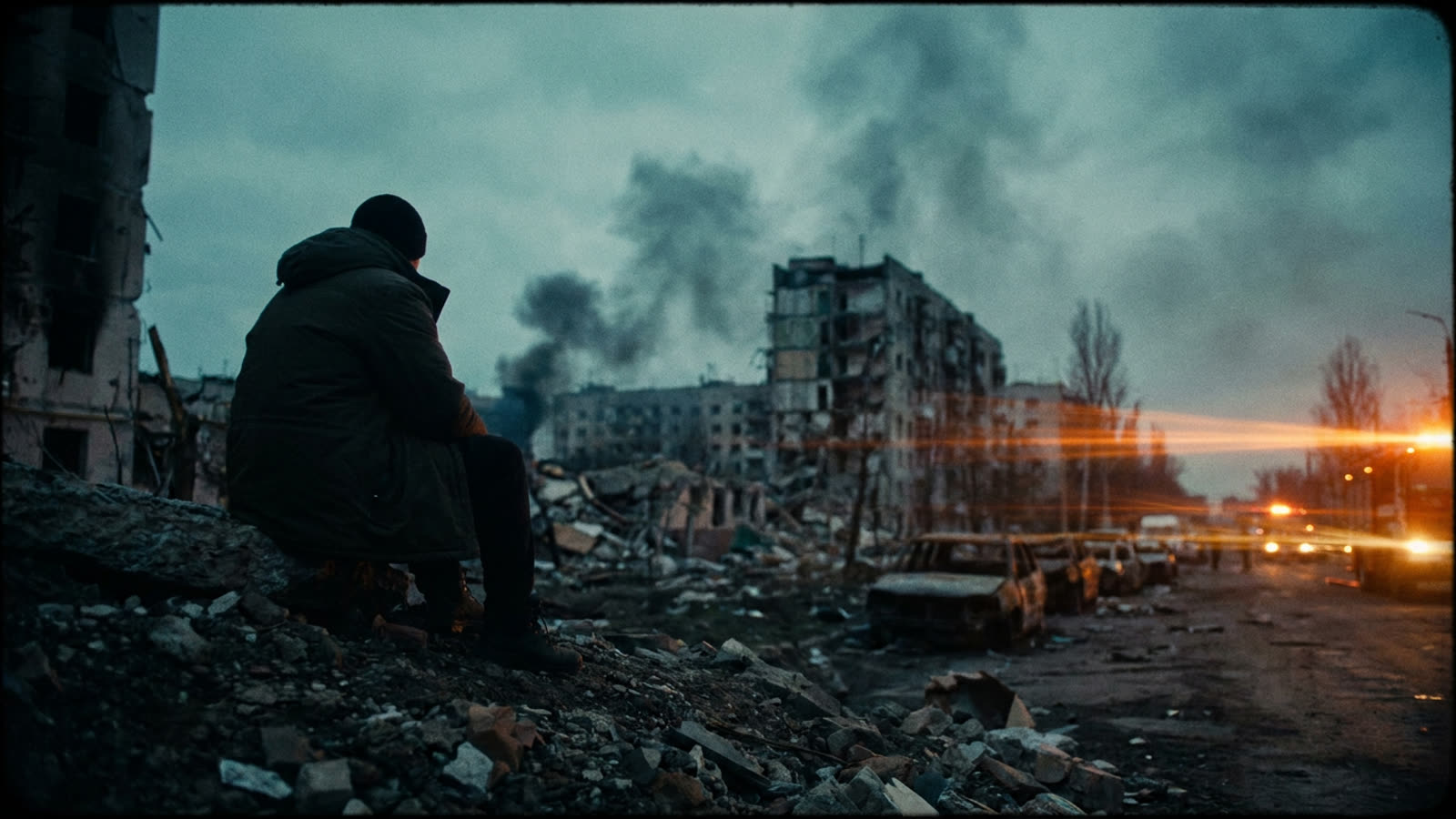
The demand comes as Lebanon announces a partial ceasefire between Israel and Hezbollah—a fragile arrangement that has done nothing to stop attacks from either side. Israeli forces remain entrenched in positions they've held since expanding operations against Hezbollah, and the notion that a Security Council statement will alter the calculus in Jerusalem or among Hezbollah's leadership in Beirut belongs to a more innocent era of international relations.
The mechanics of multilateral theater
What makes this Security Council moment noteworthy is not its likely effectiveness but its composition. The call for Israeli withdrawal reportedly drew support from members who have historically been reluctant to criticize Israeli military operations, suggesting either a genuine shift in diplomatic sentiment or, more likely, a recognition that the statement carries no enforcement mechanism and therefore costs nothing to endorse.
The United States, which holds veto power and has traditionally shielded Israel from Security Council censure, appears to have allowed the statement to proceed—a tacit acknowledgment, perhaps, that the current administration's own frustrations with the Lebanon situation make blocking such language politically awkward at home.
Why withdrawal demands fail
Israel's position in southern Lebanon is not a diplomatic misunderstanding to be resolved through strongly worded communiqués. It is a military reality driven by security imperatives that Israeli leadership considers existential. Hezbollah's rocket capabilities, its tunnel networks, and its integration with Iranian strategic planning mean that any Israeli withdrawal would require security guarantees that no international body can credibly provide.
The Security Council's demand thus joins a long tradition of international pronouncements that describe a desirable end state without offering any pathway to achieve it. Resolution 1701, which ended the 2006 Lebanon war, called for Hezbollah's disarmament. Twenty years later, Hezbollah is more heavily armed than most national militaries.
Our take
The Security Council's call for Israeli withdrawal is best understood as a collective expression of exhaustion rather than a serious diplomatic intervention. Member states are signaling that they find the current situation intolerable without committing to do anything about it. This is the international community's specialty: describing problems with precision while carefully avoiding responsibility for solutions. Israel will note the statement, file it alongside two decades of similar statements, and continue doing exactly what it was going to do anyway.