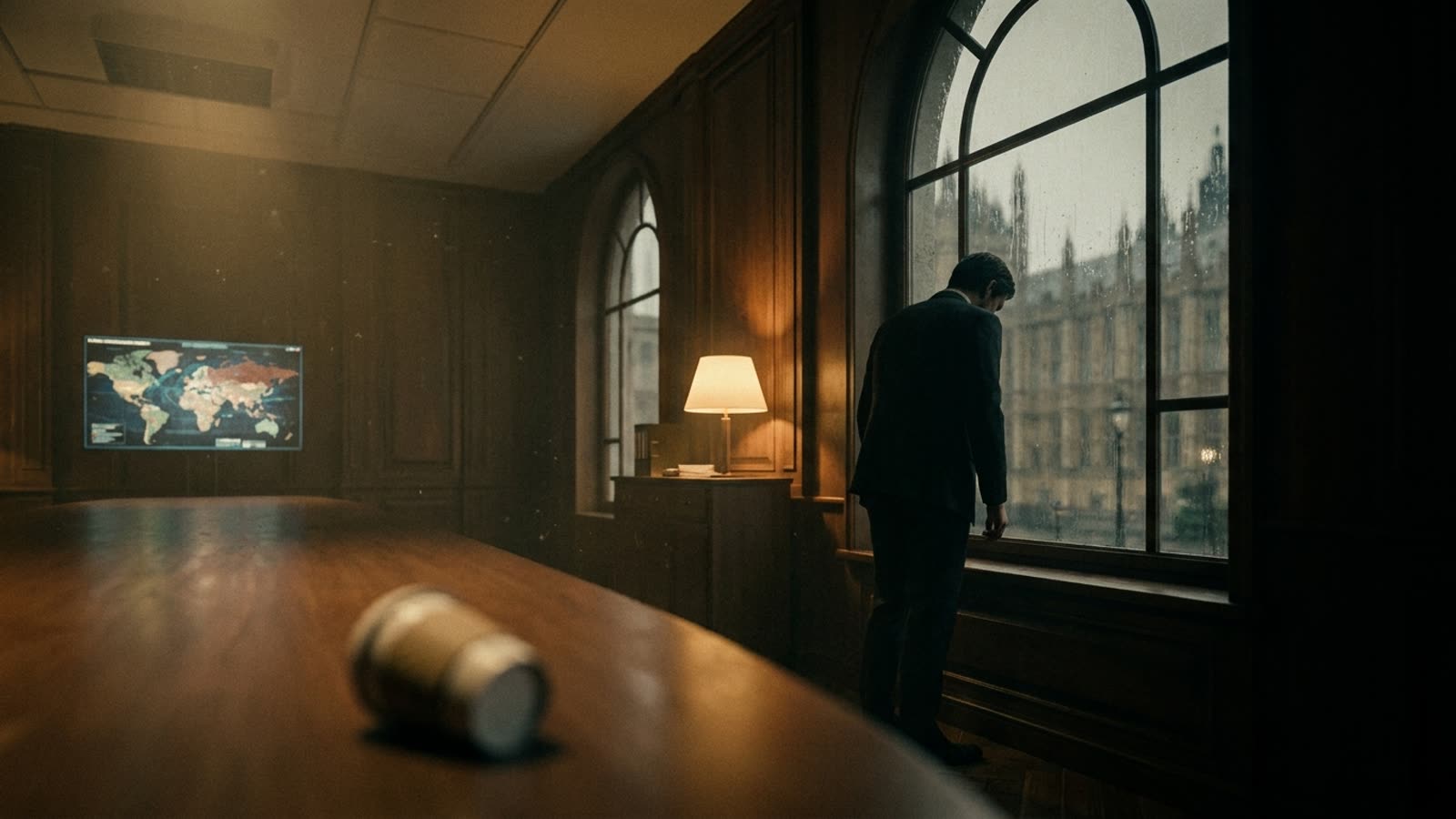
The Ukraine-Russia war has become the geopolitical equivalent of a chronic condition—always present, occasionally acute, but increasingly managed rather than resolved. As summer 2026 arrives, the conflict that once dominated every front page has settled into a grim equilibrium that suits no one but exhausts everyone.
The military situation remains essentially frozen along lines established more than a year ago. Ukrainian forces hold most of the territory they controlled at the start of 2025, having neither achieved the breakthrough Kyiv promised nor suffered the collapse Moscow predicted. Russian advances have been measured in meters and villages, purchased at a cost in men and materiel that would have seemed unconscionable to any previous Russian government. Neither side possesses the combat power to achieve decisive victory; both retain enough strength to prevent decisive defeat.
The arithmetic of attrition
What has changed is the sustainability calculus. Ukraine's Western backers are visibly tiring of a war that consumes billions in aid while producing no clear trajectory toward resolution. The Trump administration, despite maintaining lethal aid flows, has made no secret of its preference for a negotiated settlement—a position that has emboldened congressional skeptics and unnerved Kyiv's leadership. European allies, facing their own economic pressures and political volatility, are quietly hedging their commitments.
Moscow, for its part, appears content to wait. The Kremlin's strategy has evolved from seeking military victory to pursuing political exhaustion, betting that Western democracies will eventually conclude that Ukraine's territorial integrity is not worth indefinite sacrifice. The Russian economy, while damaged by sanctions, has proven more resilient than many predicted, aided by elevated energy prices and creative sanctions evasion through third-party intermediaries.
The diplomacy of exhaustion
Peace talks remain officially stalled, but the diplomatic landscape is shifting beneath the surface. Multiple back-channel efforts are reportedly underway, with various intermediaries—from Turkey to China to the Vatican—positioning themselves as potential brokers. The fundamental obstacle remains unchanged: Ukraine refuses to legitimize territorial conquest, while Russia refuses to withdraw from occupied lands. But the parameters of what constitutes an acceptable compromise are quietly being tested.
The most dangerous scenario may not be continued war but a premature peace that rewards aggression while leaving Ukraine vulnerable to future attack. Any settlement that lacks robust security guarantees risks creating a frozen conflict that Moscow could reignite at will—a prospect that haunts Kyiv's strategic planners and explains President Zelensky's continued insistence on NATO membership or equivalent commitments.
Our take
The Ukraine war has become a test of something democracies are notoriously bad at: strategic patience. The West's initial unity was admirable; its staying power is now the question. Russia is betting that free societies cannot sustain costly commitments without clear endpoints. Proving that bet wrong requires something harder than sending weapons—it requires convincing electorates that abstract principles like territorial integrity and international law are worth years of expense and risk. That argument is getting harder to make with each passing month, which is precisely why it must be made.