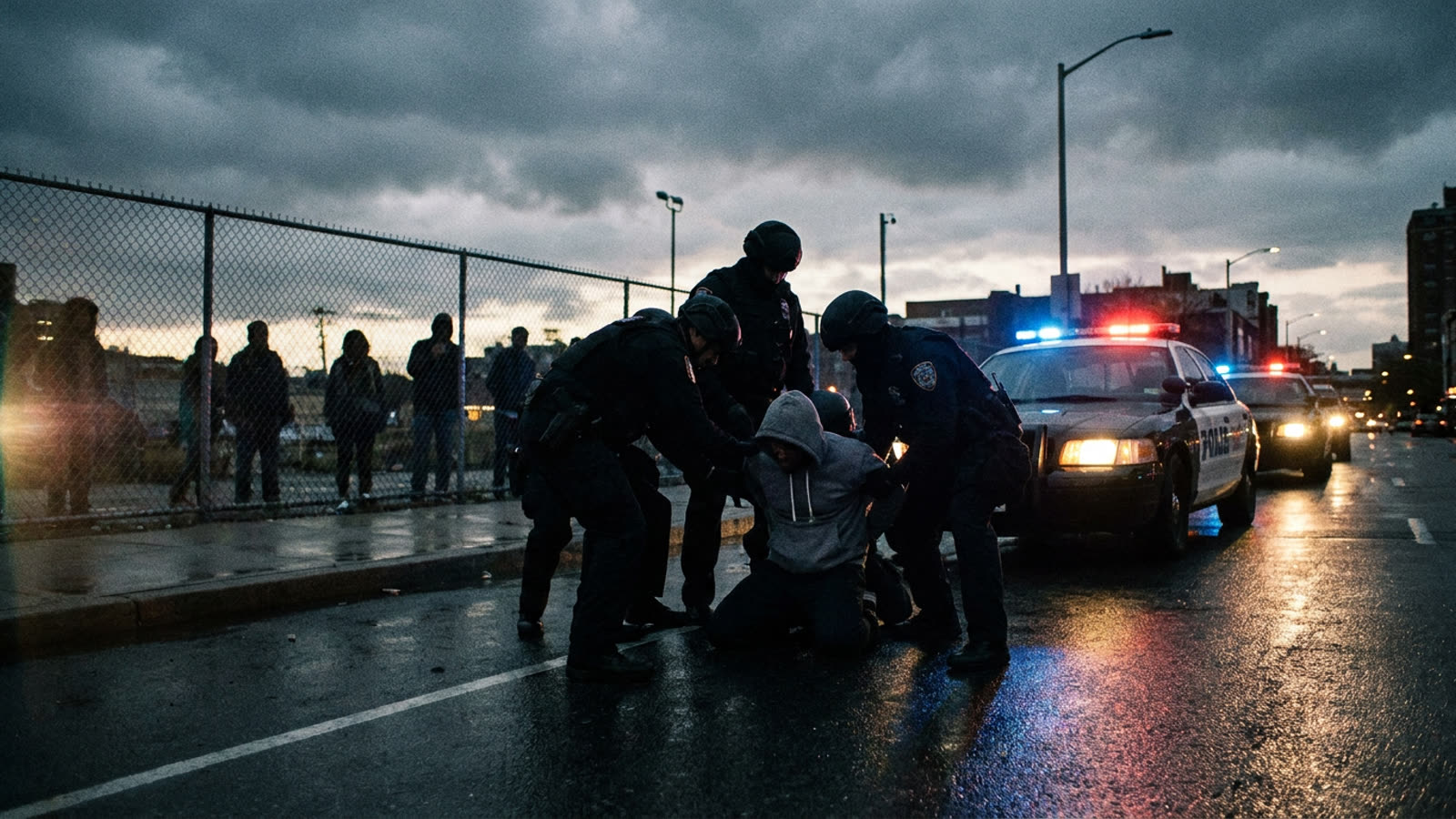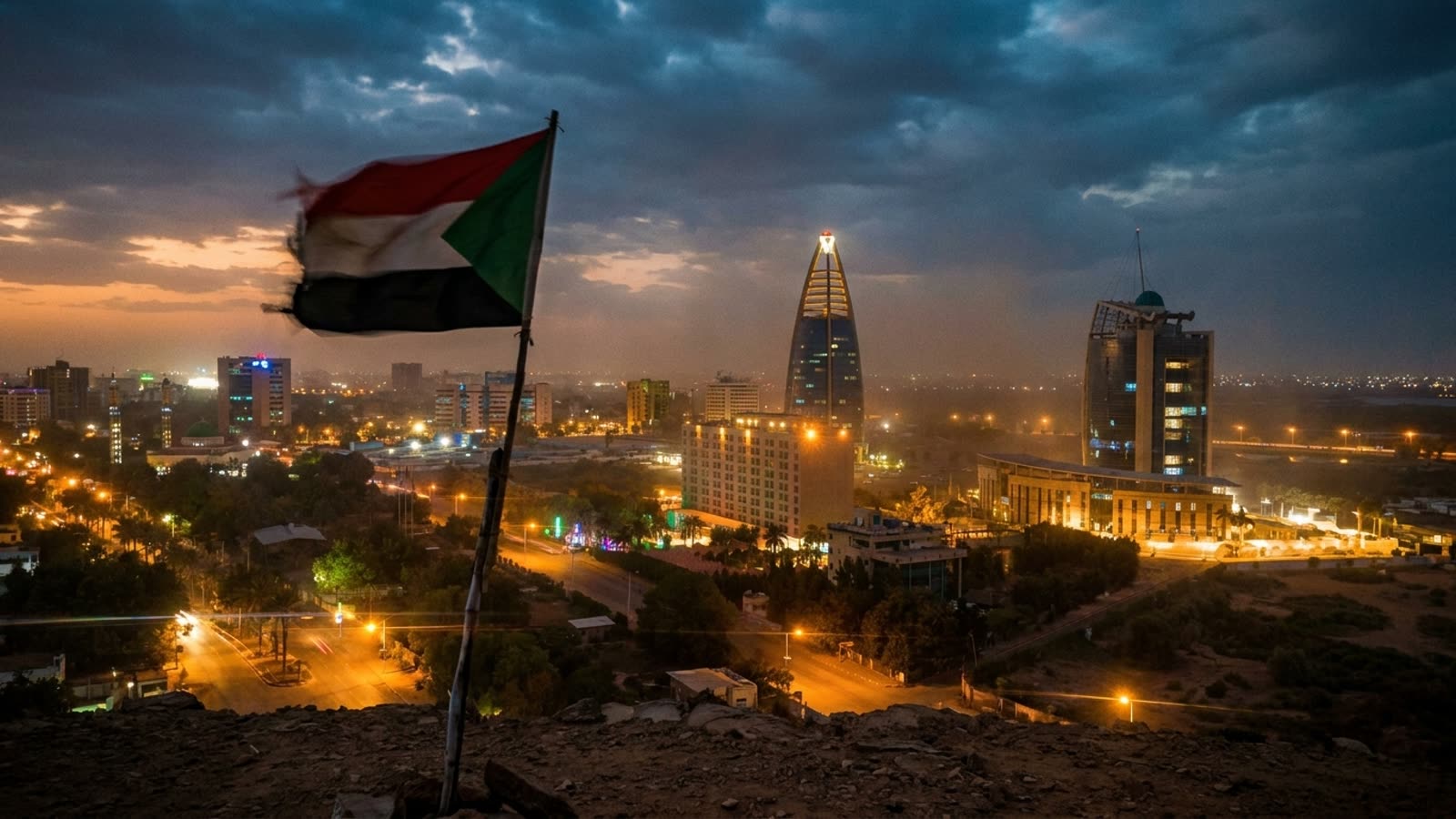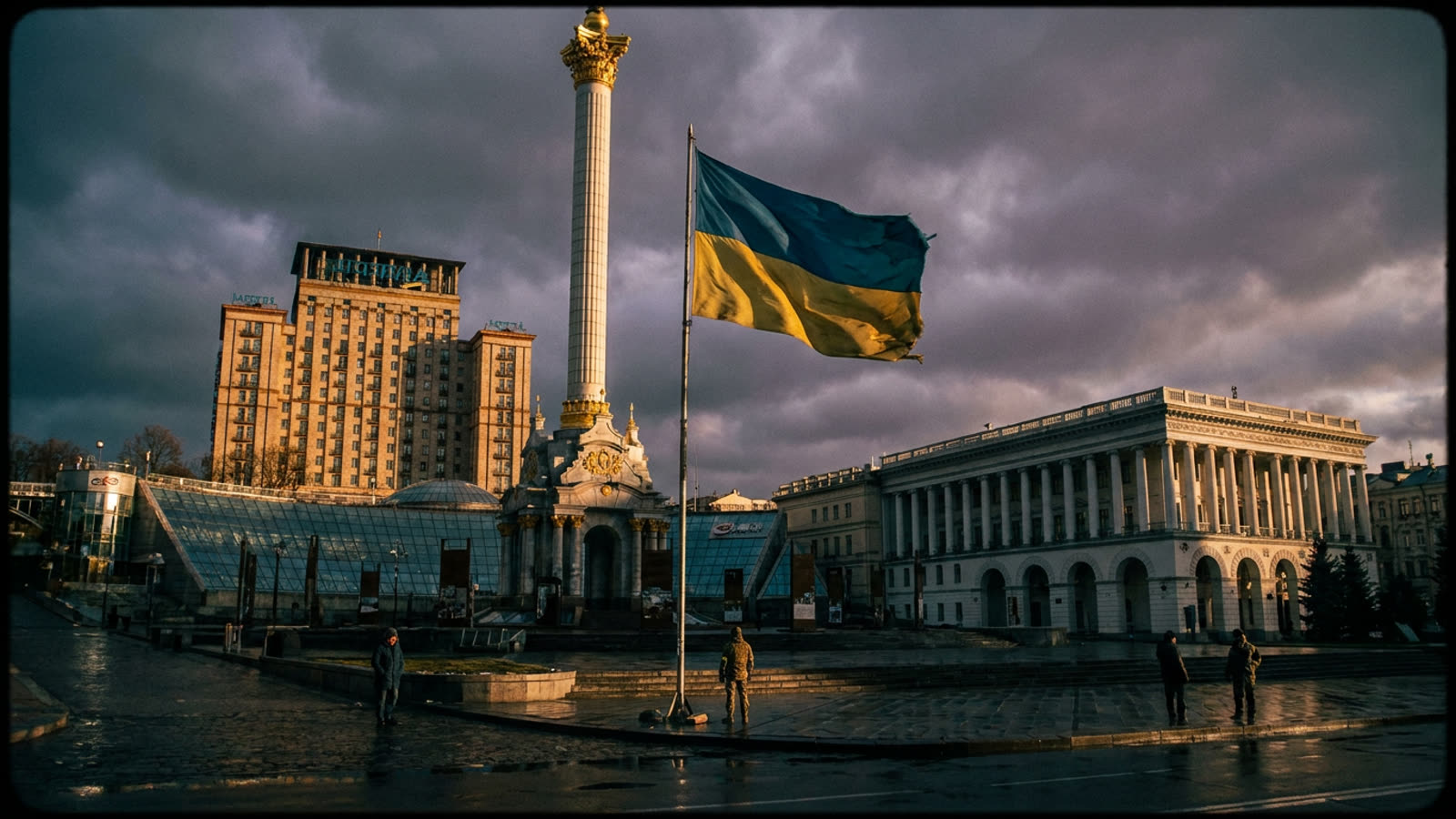
The cameras have moved, the headlines have shifted, and the urgent notifications now ping for Tehran rather than Kharkiv. Yet along a thousand-kilometer front line in eastern Ukraine, the artillery still thunders, the drones still hunt, and soldiers still die in trenches that would look familiar to their great-great-grandfathers.
The war between Ukraine and Russia has entered its fourth year with no resolution in sight, but you would be forgiven for forgetting this. The Iran conflict has consumed Washington's bandwidth so completely that the European theater has become background noise—a ticker-tape tragedy scrolling beneath the main event.
The attention economy of conflict
Modern warfare exists in a peculiar media ecosystem where sustained coverage requires either escalation or novelty. Ukraine offered both in 2022: the shock of invasion, the drama of Kyiv's resistance, the spectacle of Western unity. By 2026, the conflict has settled into the grim rhythm of attrition—gains measured in hectares, losses measured in generations.
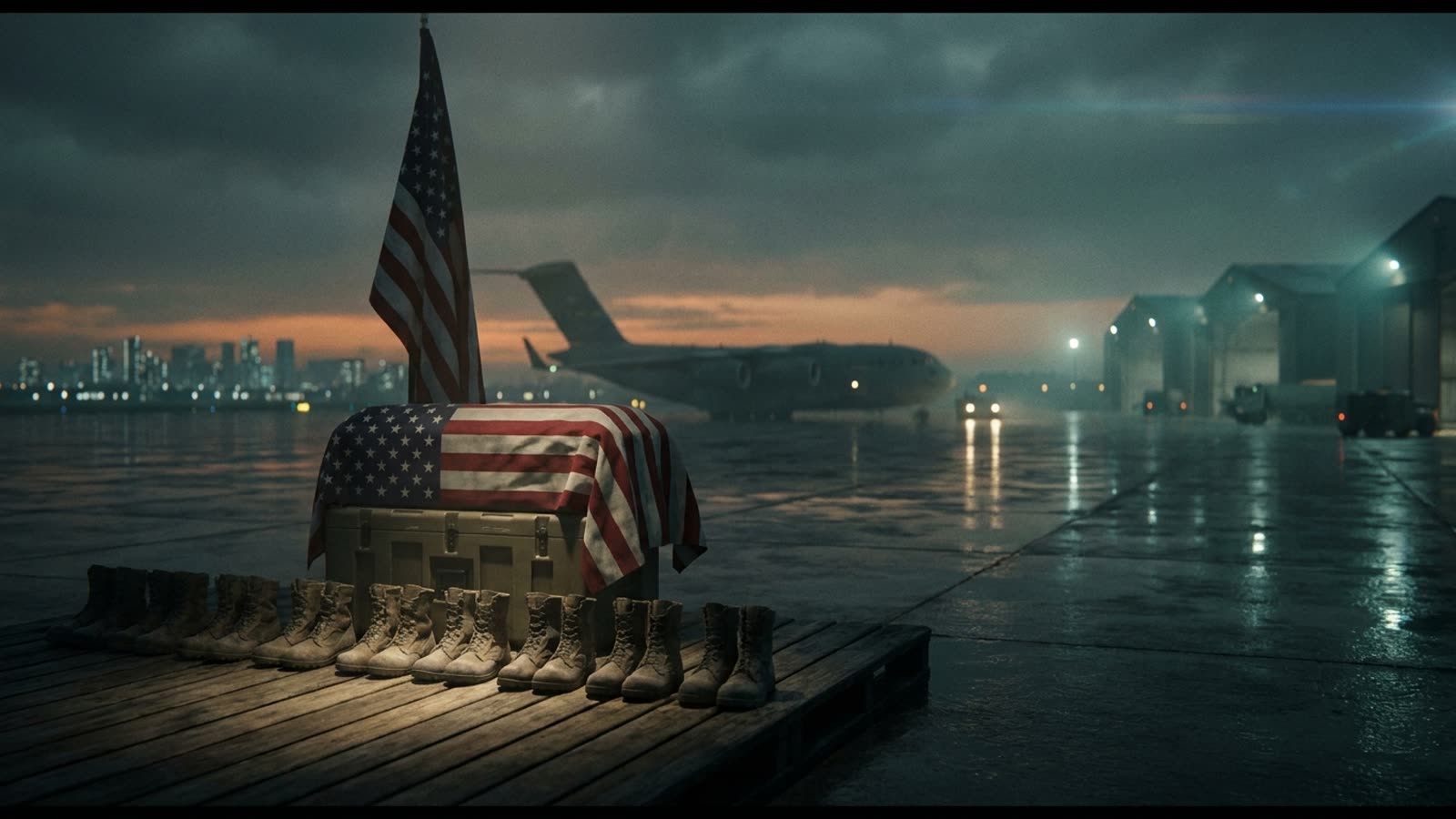
The Iran war, by contrast, arrived with the compressed intensity of American involvement: service members killed, oil markets roiled, domestic politics inflamed. It is not that Iran matters more than Ukraine in any strategic calculus. It is that Iran matters more right now to the American news consumer, and American attention shapes global priorities.
This creates a dangerous asymmetry. Russian planners understand that Western fatigue is as valuable as any weapon system. Every day the front pages belong to the Middle East is a day Ukraine's partners grow more comfortable with the status quo.
What stalemate actually looks like
The fighting continues at a tempo that would dominate any news cycle in normal times. Russian forces have made incremental gains in Donetsk Oblast, trading casualties at rates that would be politically unsustainable for any democracy. Ukrainian defenders, meanwhile, face ammunition constraints and manpower challenges that have forced difficult choices about which positions to hold and which to cede.
Neither side possesses the combat power for a decisive breakthrough. Russia cannot translate its population advantage into battlefield dominance without mobilization that would threaten domestic stability. Ukraine cannot push Russian forces back without sustained Western support at levels that seem increasingly uncertain.
The result is a war that kills without deciding—the worst possible outcome for everyone except those who profit from prolonged instability.
Our take
Strategic patience is not a virtue when it becomes strategic neglect. The West's capacity to care about multiple crises simultaneously should not be this limited, yet here we are, watching one war through our fingers while another plays on mute. Ukraine's partners made commitments that transcend news cycles. The test of those commitments comes precisely when keeping them is no longer fashionable. Right now, Kyiv is learning what it means to be yesterday's crisis.