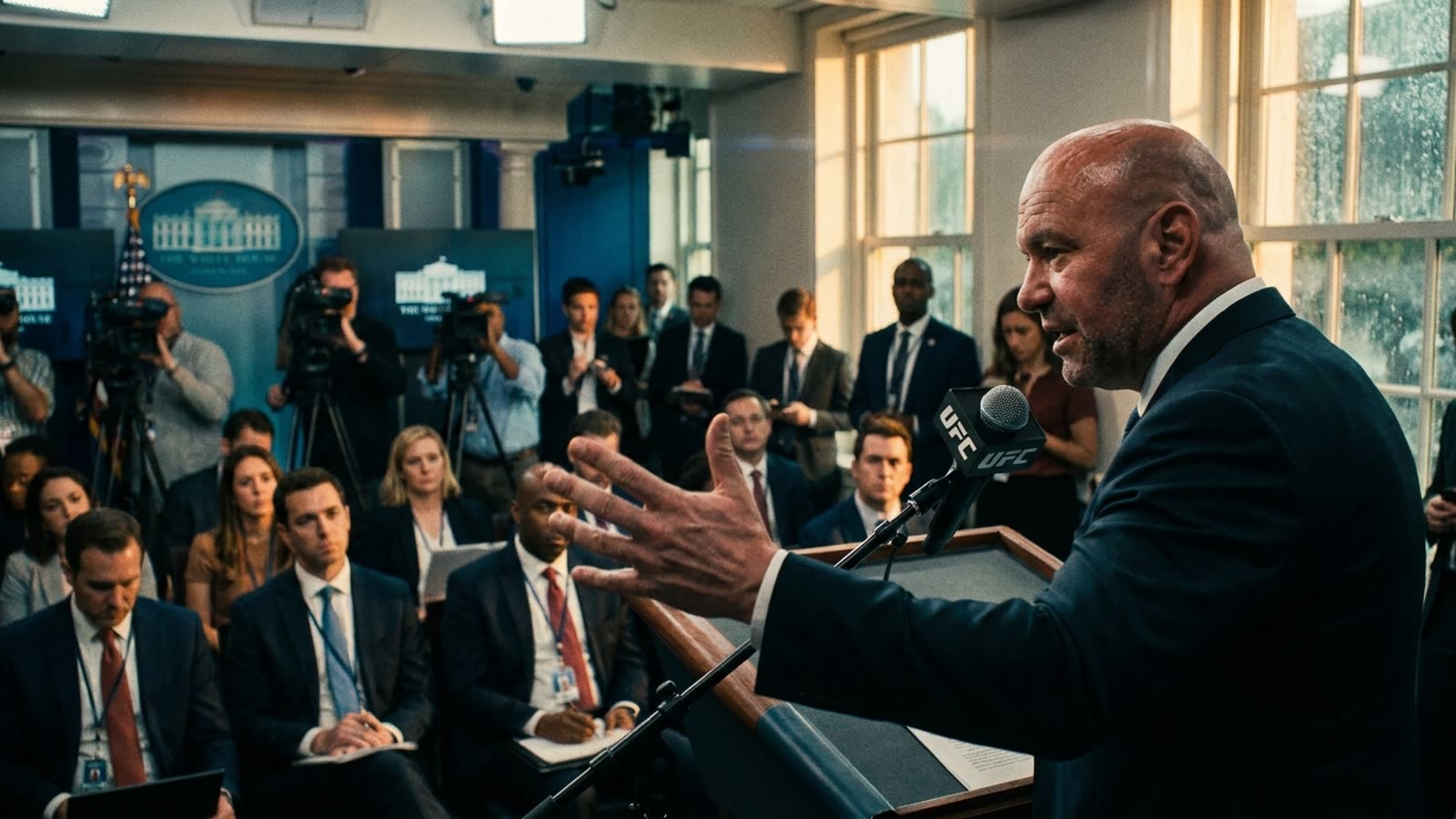
The White House has hosted state dinners, Easter egg rolls, and the occasional jazz concert. On Independence Day weekend, it will host a cage fight.
UFC Freedom 250, announced Tuesday with characteristic bombast, will bring the octagon to the South Lawn on July 4th, complete with a main-event title bout and what organizers are calling "the most patriotic pay-per-view in combat sports history." President Trump, a longtime friend of UFC president Dana White and a fixture at ringside seats for years, personally brokered the arrangement. The event will be free for ticketed guests—mostly donors and political allies—while the rest of America can watch for the standard $79.99.
The business of spectacle
The UFC gets something money cannot ordinarily buy: the imprimatur of the presidency and imagery that no Las Vegas arena can match. The promotion has spent two decades clawing toward mainstream respectability, from its days as "human cockfighting" to a $4 billion sale to Endeavor in 2016. Staging a fight at the executive mansion completes a cultural journey that once seemed impossible.
For the White House, the calculus is different but equally transactional. The UFC's audience skews young, male, and politically disengaged—precisely the demographic that powered Trump's margins in November. A July 4th spectacle cements that coalition while generating wall-to-wall coverage that no policy announcement could match. The administration has discovered what reality television taught its principal occupant decades ago: attention is the only currency that compounds.
Precedent and its absence
Presidents have long blurred the line between governance and entertainment. Kennedy hosted Pablo Casals; Nixon invited Elvis; Clinton played saxophone on Arsenio Hall. But those were gestures toward culture, not wholesale adoptions of commercial programming. Freedom 250 is a branded, monetized event that happens to use federal property as its backdrop.
The legal architecture is murky. The Hatch Act restricts political activity on government grounds, but the White House itself is largely exempt. Ethics watchdogs have raised questions about whether the UFC's promotional windfall constitutes an improper gift, but the administration's lawyers reportedly concluded that the event qualifies as a "celebration of American values" rather than a commercial transaction. The distinction is, charitably, creative.
Our take
The outrage will be predictable and probably ineffective. Critics will invoke the dignity of the office; supporters will note that previous presidents threw parties too. Both arguments miss the point. What Freedom 250 demonstrates is that the presidency has become a content platform—a venue for programming designed to maximize engagement rather than govern. The cage on the South Lawn is not a departure from the Trump theory of power; it is the theory made literal. Whether that troubles you depends on whether you still believe the White House is supposed to be something other than a stage.