The White House has hosted state dinners, Easter egg rolls, and the occasional jazz concert. It has never hosted a cage fight. That changes soon, as construction crews erect what will become a temporary UFC venue on the South Lawn, transforming the most symbolically freighted real estate in American politics into an arena for sanctioned violence.
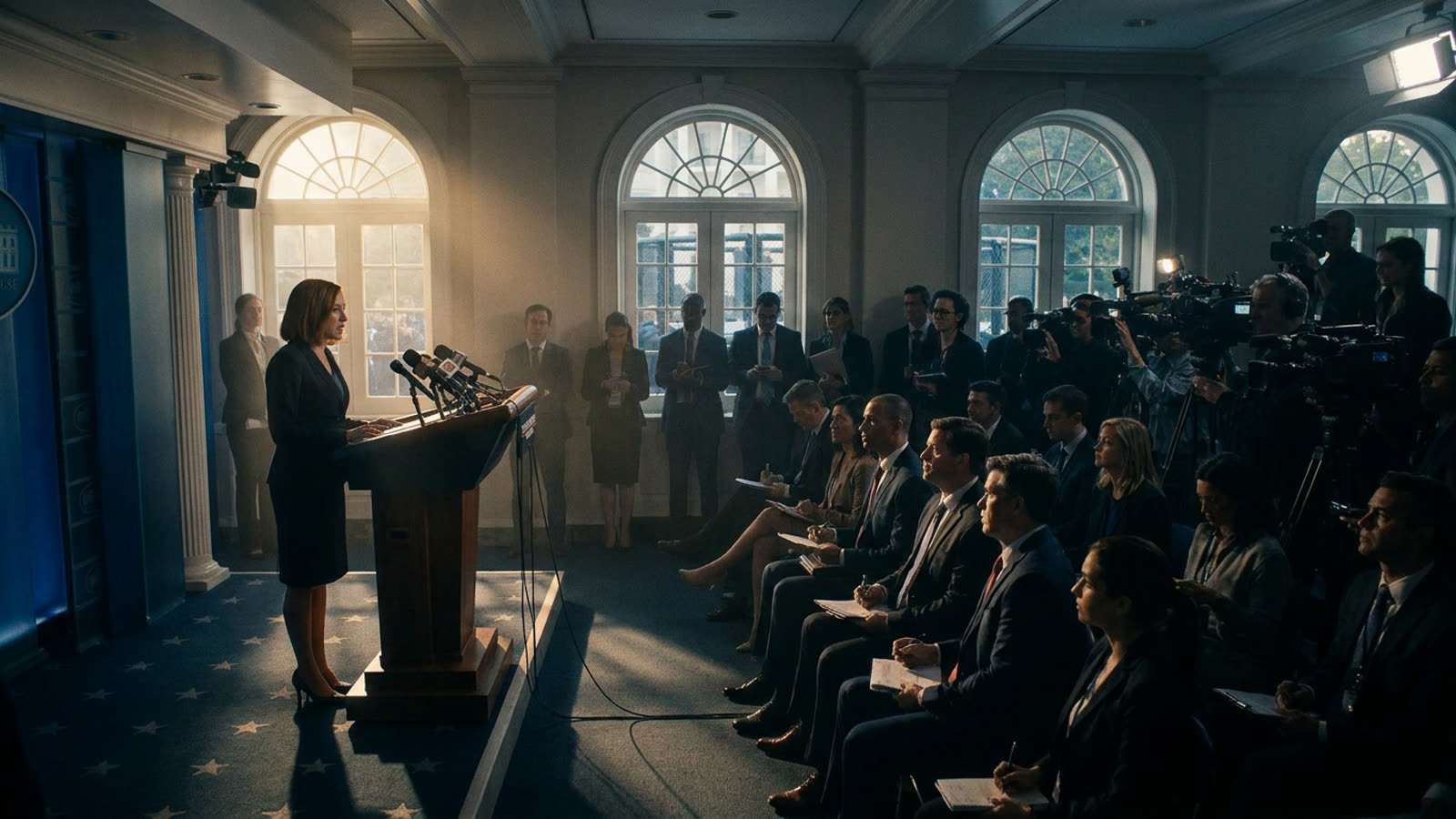
President Trump's announcement—delivered, naturally, alongside UFC president Dana White, a longtime ally and 2024 campaign surrogate—frames the event as a celebration of American athleticism and entertainment dominance. The administration calls it unprecedented. Critics call it a desecration. Both are correct, which is precisely the point.
The politics of the octagon
UFC's relationship with Trump predates his political career. He hosted early UFC events at his Atlantic City casinos in the 2000s, when the sport was still banned in most states and struggling for mainstream legitimacy. White has credited Trump with helping the organization survive its wilderness years, and the loyalty has been repaid: White spoke at both the 2016 and 2024 Republican National Conventions, and UFC events have become informal gathering spaces for the MAGA coalition.
Hosting a fight at the White House is the logical terminus of this alliance. It signals to Trump's base that their cultural preferences—long dismissed by coastal elites as lowbrow or barbaric—now occupy the literal center of American power. The venue is not incidental to the spectacle; the venue is the spectacle.
Institutional norms as content
The criticism writes itself, and the administration knows it. Every op-ed lamenting the degradation of presidential dignity, every historian invoking the ghosts of Adams and Lincoln, every cable news segment featuring aghast former protocol officers—all of it feeds the narrative Trump has cultivated since 2015: that the establishment's outrage is proof of his authenticity.
This is norm violation as political strategy, refined over a decade. The White House lawn becomes a canvas for demonstrating that nothing is sacred, that every institution exists to be repurposed for the leader's brand. Whether one finds this thrilling or horrifying depends entirely on one's priors, which is another way of saying it changes no minds while energizing both sides.
The business angle
UFC, now owned by Endeavor, stands to gain enormously. A White House fight card is marketing money cannot buy—a global news event that positions the organization as culturally ascendant in a way no Las Vegas pay-per-view could achieve. The fighters, the broadcast rights, the sponsorship deals: all of it appreciates when the president of the United States serves as your hype man.
For Trump, the calculus is similarly transactional. The event will dominate a news cycle, crowd out coverage of ongoing Iran negotiations and domestic policy battles, and produce imagery designed for social media virality. Governance as content creation.
Our take
The UFC fight will happen. It will be watched by millions, condemned by millions more, and remembered as either a grotesque low point or a triumphant reclamation of populist energy, depending on who is writing the history. What it will not be is surprising. Trump told us who he was in 2015, and again in 2024, and the White House lawn octagon is simply the aesthetic made manifest. The only remaining question is what comes next—and whether there are any norms left to violate.