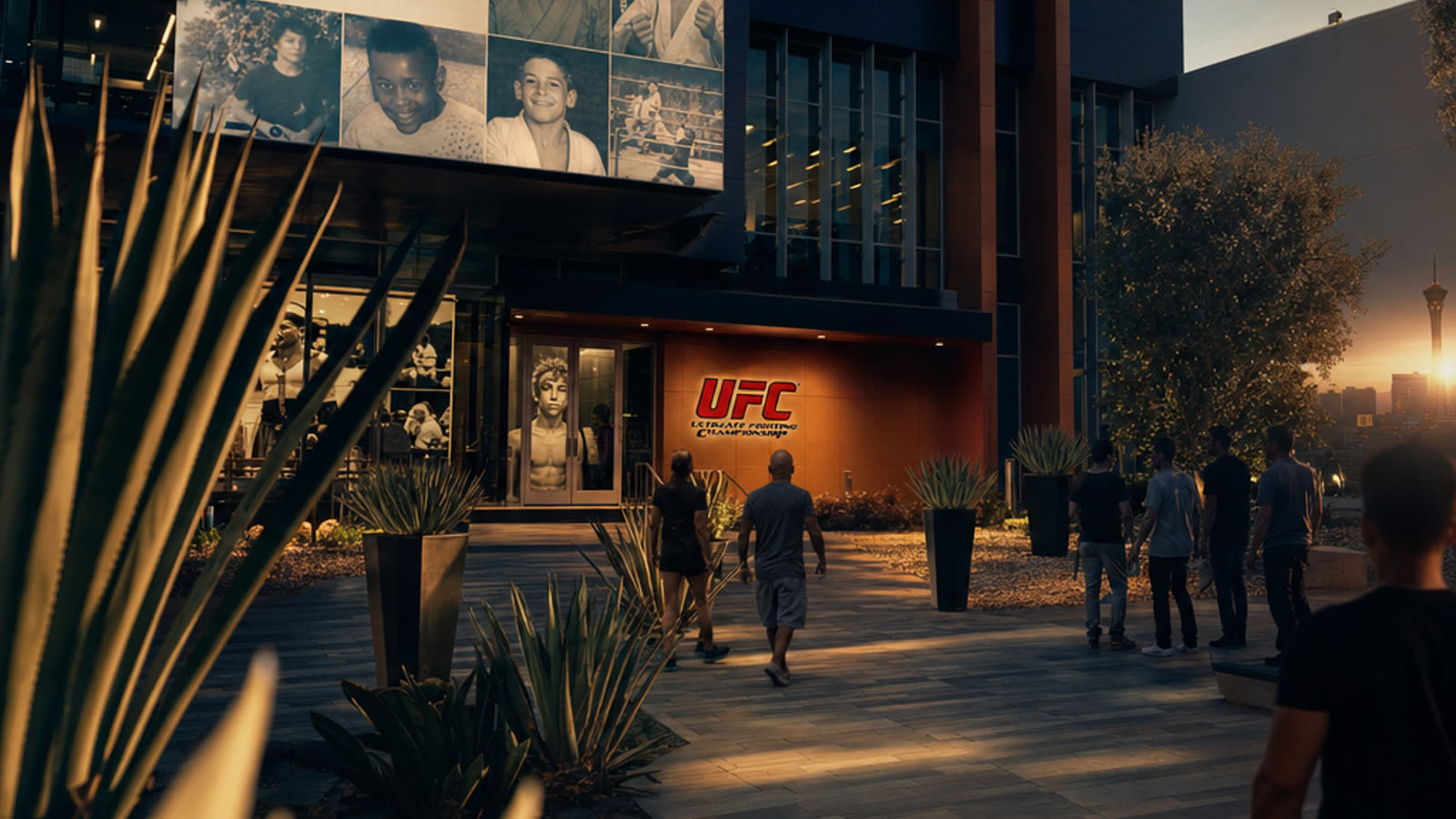
The Ultimate Fighting Championship has found its most reliable content format, and it has nothing to do with knockouts, submissions, or even the octagon itself. It's childhood photos.
Scroll through any UFC social channel or partner entertainment outlet and you'll encounter the same template: a grainy snapshot of a gap-toothed kid, accompanied by the prompt to guess which current fighter they became. The engagement is reliable, the comments predictable, the strategy nakedly effective. What's less obvious is why a sport built on present-tense violence has become so dependent on past-tense innocence.
The algorithm knows what we want
Childhood transformation content works because it flatters the audience twice. First, it offers the dopamine hit of recognition—the pleasure of matching a cherubic face to a cauliflower-eared adult. Second, it creates a parasocial intimacy that fight footage cannot. Seeing Conor McGregor or Amanda Nunes as children makes them legible as humans rather than commodities, which paradoxically makes them more valuable as commodities.
The UFC's media team understands this calculus. The promotion has spent two decades trying to solve the problem that its product—people hurting each other—creates natural barriers to mainstream acceptance. Childhood photos are a workaround: they humanize fighters without requiring anyone to reckon with what those fighters actually do for a living.
The discomfort we're not discussing
There's something faintly unsettling about the genre. These images are deployed specifically because the subjects were not yet fighters—because they were innocent of the violence that would define their careers. The implicit narrative is transformation: look how far they've come. But transformation into what? The framing elides the destination.
This isn't unique to combat sports. The NFL, NBA, and MLB all traffic in similar content. But the contrast is sharpest in fighting, where the gap between childhood softness and adult profession is most stark. The childhood photo asks us to see the fighter as someone's kid. The octagon asks us to watch them bleed.
Our take
The UFC's childhood-photo strategy is smart marketing and slightly queasy ethics, which is to say it's perfectly representative of how sports media operates in 2026. We consume athletes as characters in narratives we construct, and nostalgia is the cheapest narrative device available. The promotion isn't doing anything wrong, exactly. But the next time you see a "guess who" post, notice how the format works: it invites you to feel warmth toward someone you'll later watch get punched in the face. The cognitive dissonance is the feature, not the bug.