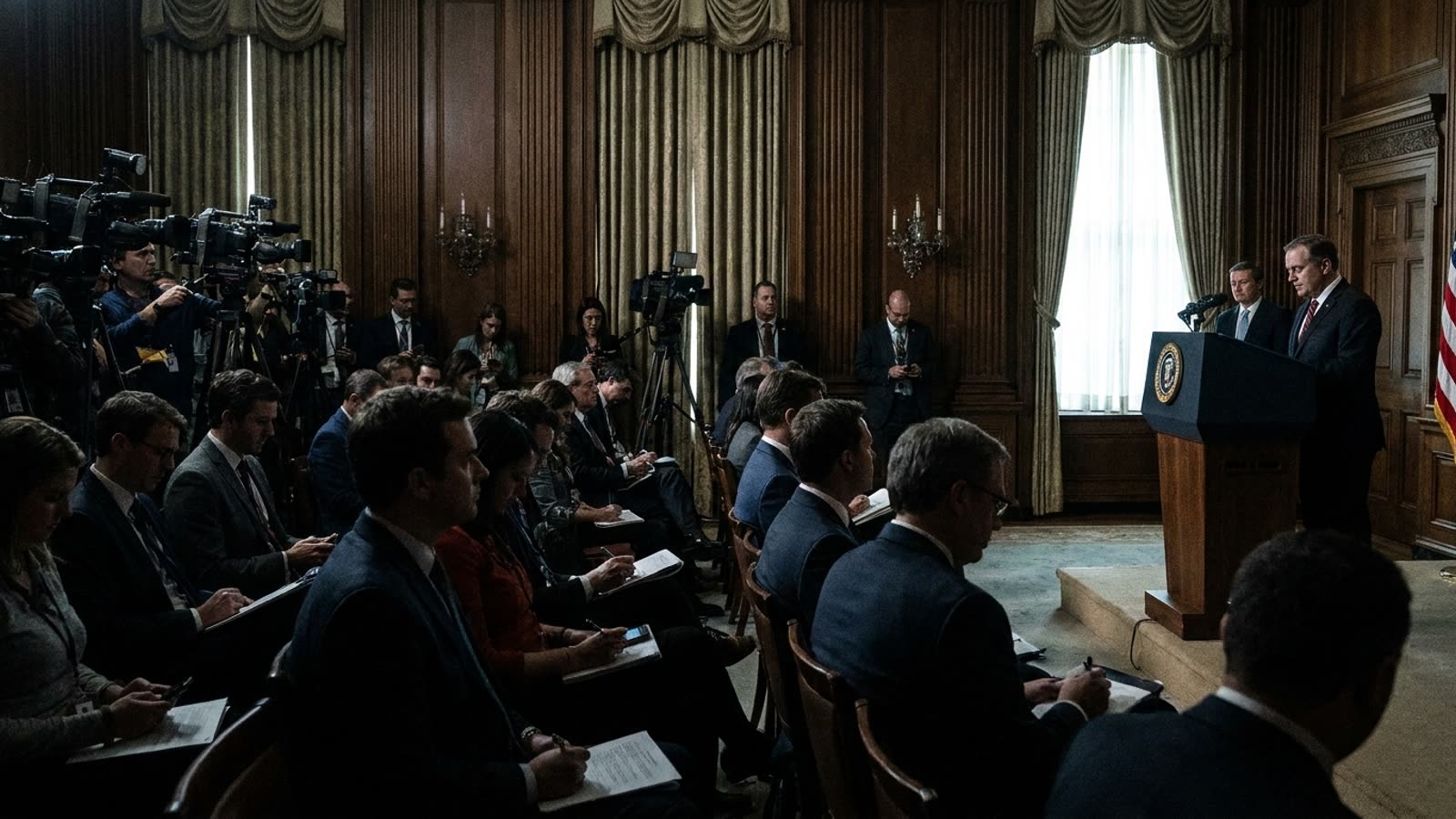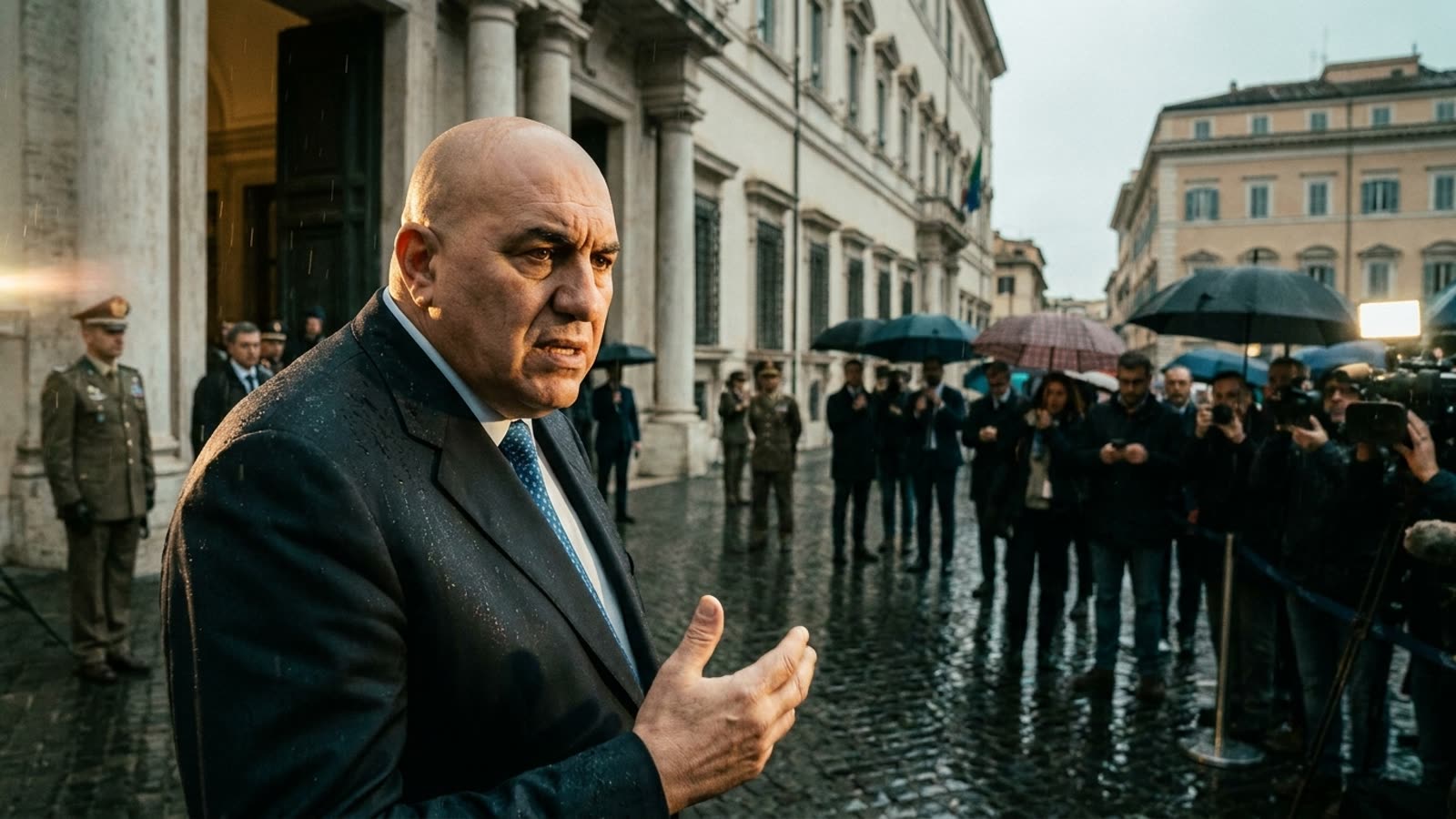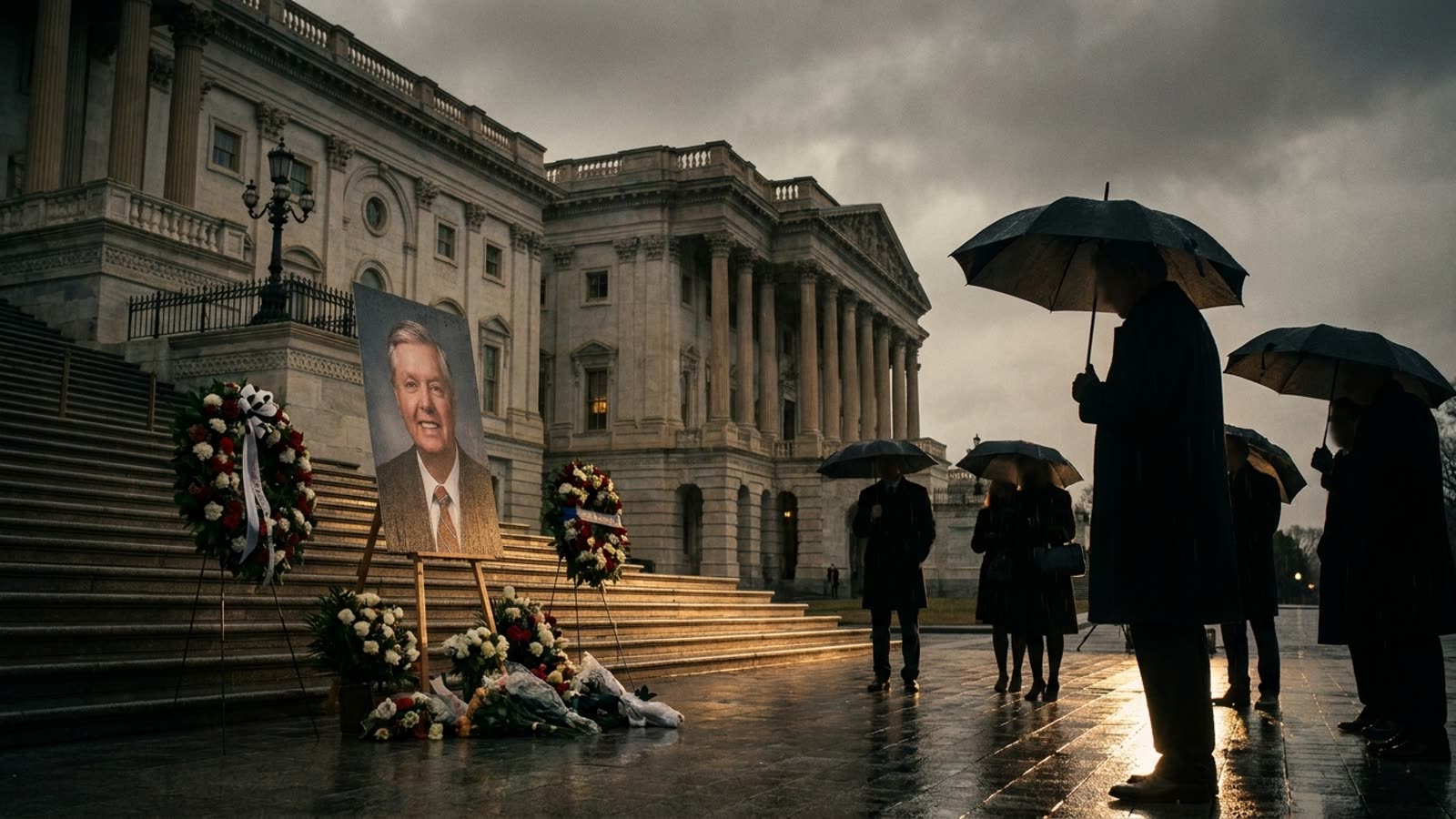
The Lindsey Graham International Energy Security Act was supposed to be untouchable. Passed with veto-proof majorities in both chambers this summer, the legislation mandated escalating sanctions on Russian energy exports unless Moscow met a series of conditions on Ukraine. It was named, with rare bipartisan sentimentality, for the South Carolina senator who died in July—a man who spent his final months warning that Vladimir Putin would exploit any American weakness. On Friday night, President Trump signed an executive order exempting Russia from the law's provisions entirely.
The White House framed the move as pragmatic diplomacy. A senior administration official told reporters that Trump had secured a commitment from Moscow to release American diesel supplies that had been held up in Russian ports since August, and that the sanctions waiver was a necessary "confidence-building measure" to facilitate broader negotiations. The official declined to specify what those negotiations might yield or when they might conclude.
A Law Designed to Be Unwaivable
The Graham Act's authors believed they had learned from past failures. The legislation included unusually narrow waiver authority, permitting the president to delay sanctions only if he certified to Congress that Russia had taken "verifiable steps" toward withdrawing from occupied Ukrainian territory. Trump's order makes no such certification. Instead, it invokes a national-security exception that the bill's sponsors explicitly rejected during markup—an interpretation that Senator John Cornyn, the act's Republican co-author, called "legally dubious and morally bankrupt" in a statement released shortly before midnight.
The timing compounds the insult. Graham's funeral was held barely twelve weeks ago, attended by Trump himself, who eulogized the senator as "a patriot who understood strength." Now the president has gutted Graham's final legislative achievement before its ink was dry on the Federal Register.
What Moscow Gets
The immediate beneficiary is Gazprom, which faced the prospect of losing access to dollar-denominated clearing for its European gas contracts under the act's secondary-sanctions provisions. Those measures were scheduled to take effect November 1. With the waiver in place, Russian energy revenues—the lifeblood of Putin's war economy—remain largely intact through at least the first quarter of 2027, when the order is subject to renewal.
Ukraine's foreign ministry issued a terse response: "We note the decision." Kyiv has grown accustomed to disappointment from Washington, but this represents a new threshold. The administration is no longer merely slow-walking aid; it is actively dismantling the legal architecture that Congress built to constrain Russian aggression.
Our take
There is a particular American tradition of honoring dead legislators by naming laws after them and then ignoring what those laws require. But Trump's move is unusually brazen even by that cynical standard. He attended the funeral, praised the man, and then incinerated his legacy at the first opportunity. The message to Congress is unmistakable: pass whatever you like; the president will do as he pleases. The message to Moscow is even clearer.