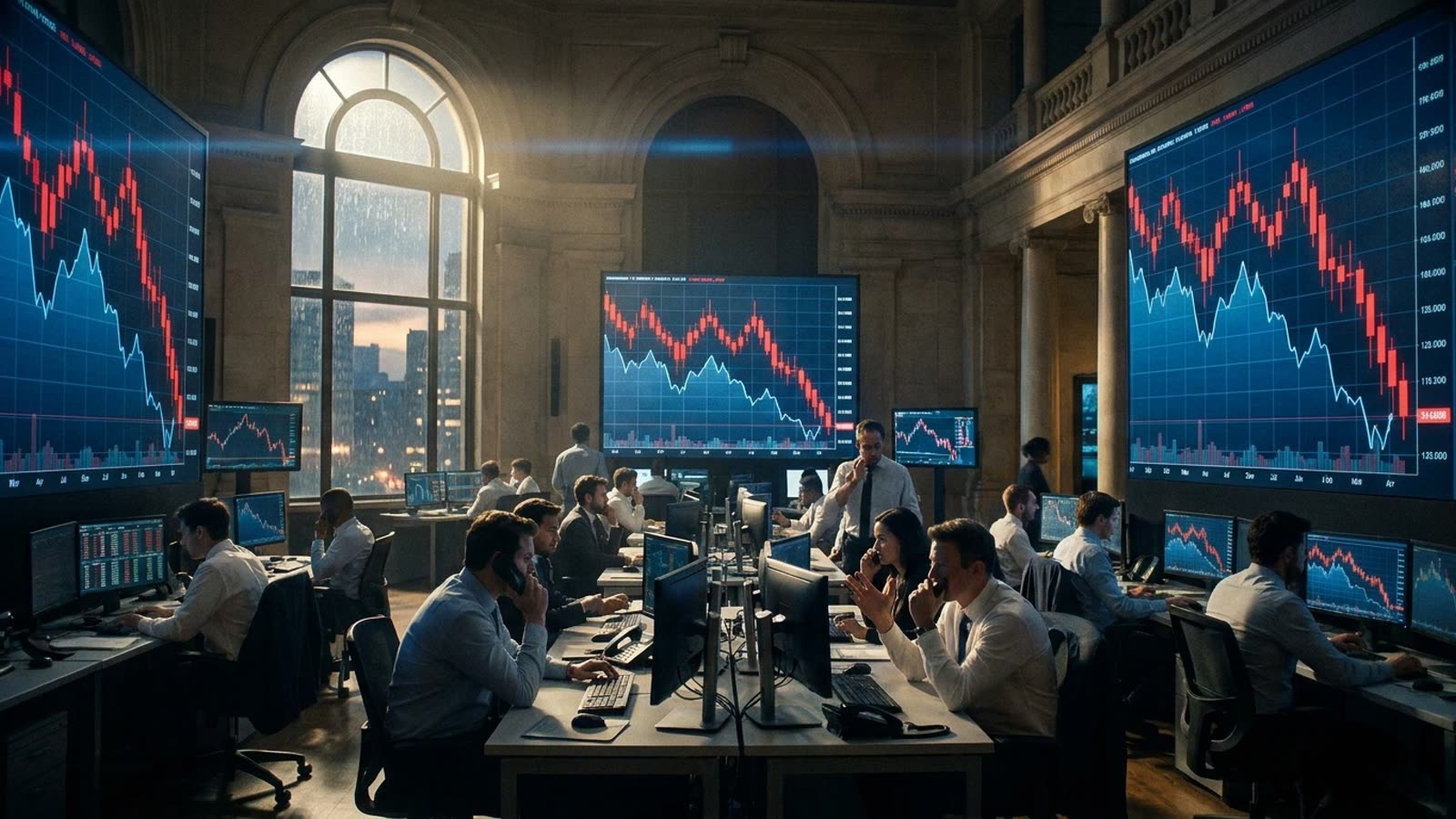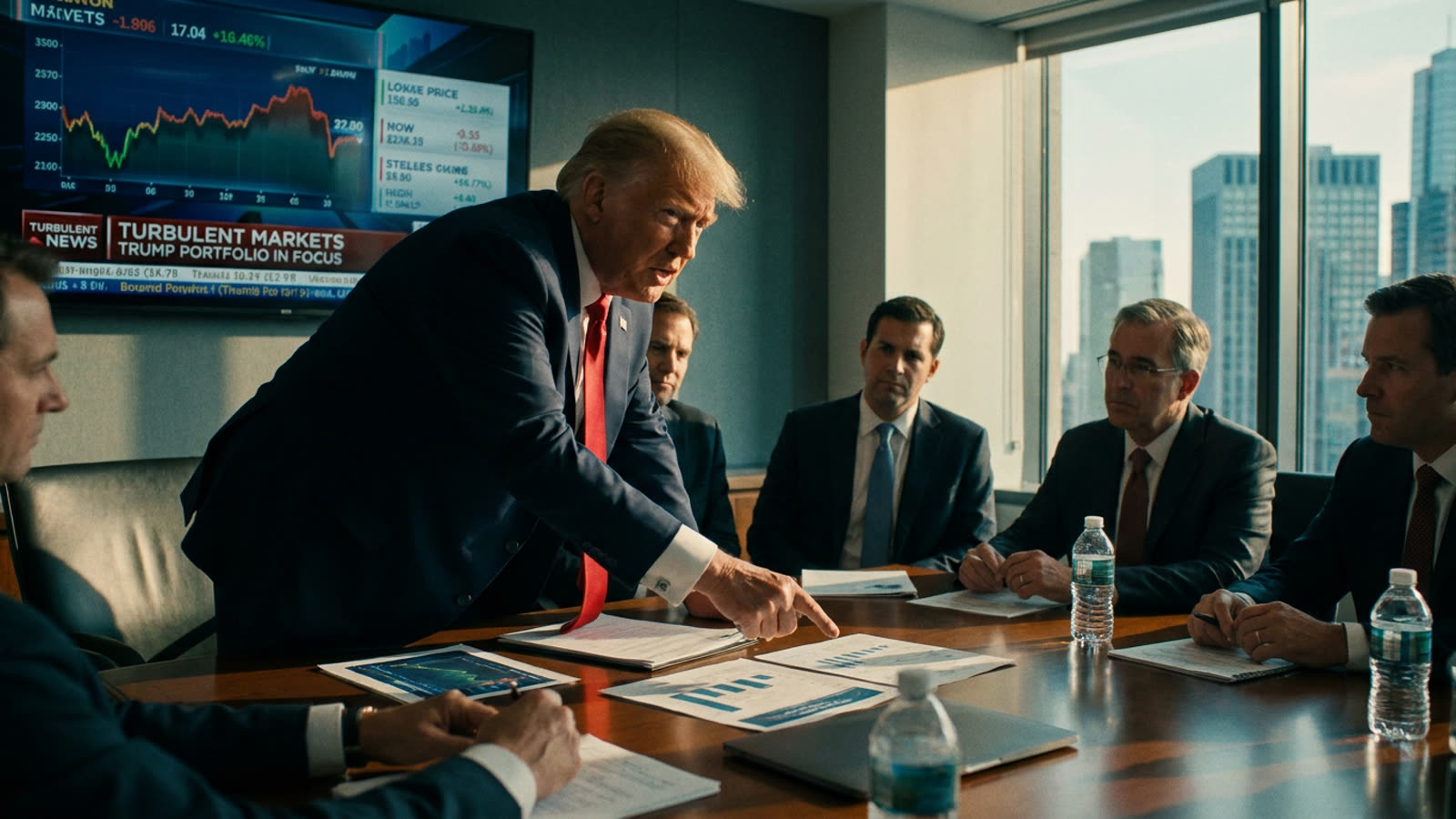
The question of what a sitting president should be allowed to own has never been satisfactorily answered in American law, and Donald Trump's trading activity ensures it won't be resolved anytime soon.
The latest disclosures reveal a portfolio that moves with the confidence of someone who believes the rules are suggestions. Trump has continued to hold and trade individual equities while occupying an office that can move markets with a single social media post. This is not illegal. It is also not reassuring.
The Disclosure Gap
Presidents are required to file financial disclosures, but the timing and granularity of these filings make real-time oversight impossible. By the time the public learns what a president bought or sold, the trade is ancient history. The STOCK Act, passed in 2012 to address congressional insider trading, applies to the executive branch in theory but lacks enforcement mechanisms that would give it teeth. Trump's predecessors largely sidestepped the issue by placing assets in blind trusts or divesting from individual stocks entirely. Trump has done neither, preferring the transparency-theater of disclosures that arrive months after the fact.
Market Mover in Chief
The structural problem is obvious: a president who trades individual stocks is simultaneously the most powerful market participant and the least regulated one. When Trump posts about a company, its stock moves. When he announces tariffs, entire sectors shift. The potential for self-dealing is not hypothetical—it is baked into the architecture of modern presidential communication. Even if Trump never acts on inside information, the appearance of conflict is corrosive. Markets function on trust, and trust requires participants to believe the game isn't rigged at the top.
Why Congress Won't Act
Legislators have introduced bills to ban presidential stock trading roughly as often as they've failed to pass them. The political incentives are perverse: members of Congress who trade stocks themselves have little appetite for creating precedents that might boomerang. The result is a status quo that serves no one except those already in power. Voters express displeasure in polls, then promptly forget about the issue until the next disclosure cycle.
Our Take
The United States asks its presidents to command nuclear arsenals and negotiate with foreign powers but cannot bring itself to require them to sell their Tesla shares. This is not a partisan observation—it is an institutional failure that predates Trump and will outlast him. The fix is simple: mandatory blind trusts for presidents and vice presidents, enforced by an independent body with subpoena power. The political will to implement it remains, as ever, nowhere to be found.